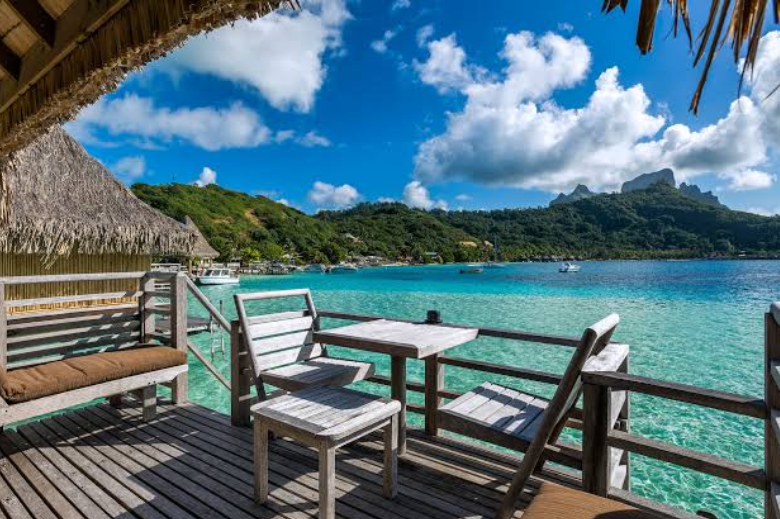
The Ultimate Guide to Bora Bora: The Pearl of the Pacific
There are few places on earth that evoke the sheer, unadulterated essence of a dream vacation quite like Bora Bora. Tucked away in the South Pacific, this tiny island in French Polynesia is the undisputed heavyweight champion of luxury travel. It is a place where time slows down, comfort is paramount, and the natural beauty is so vivid it almost looks digitally enhanced.
Welcome to the ultimate travel guide to Bora Bora. Whether you are celebrating a milestone anniversary or simply seeking the most relaxing, visually stunning escape on the planet, this guide covers everything from the island's legendary calm waters to the seamless logistics of getting there.
Why It’s Worth Knowing About
Bora Bora's fame is entirely justified by its unique, dramatic geography. Millions of years ago, Bora Bora was a massive, active volcano. Over time, the volcano slowly sank back into the ocean, leaving behind a towering, jagged center—the iconic Mount Otemanu—surrounded by a protective barrier reef.
Between this outer reef and the central mountain lies Bora Bora’s greatest treasure: a magnificent, shallow lagoon that shines in impossible shades of cyan, turquoise, and deep indigo. The outer reef acts as a natural breakwater, meaning the lagoon is virtually waveless. It is, essentially, the world's largest and most spectacular natural swimming pool.
It is also worth knowing about Bora Bora because of its architectural legacy. While the overwater bungalow was invented on the nearby islands of Moorea and Raiatea in the late 1960s, it was perfected in Bora Bora. Today, strings of these luxurious, thatched-roof villas stretch out into the lagoon from private motus (small coral islets). These spacious bungalows offer an unparalleled level of comfort, privacy, and direct water access that caters perfectly to travelers who want to experience the ocean without sacrificing luxury or dealing with crowded beaches.
Water Data: Temperature & Clarity
Because the lagoon is protected from the open ocean and is relatively shallow, the water conditions in Bora Bora are famously gentle, safe, and incredibly inviting.
Water Temperatures by Season
French Polynesia enjoys a tropical climate, meaning the water is bath-like year-round. It is entirely comfortable for long, leisurely swims directly from the deck of your bungalow.
| Season | Avg. Water Temp | How it Feels |
| Winter (Jun - Aug) | 79°F - 81°F | Exceptionally comfortable. This is the dry season, offering refreshing relief from the tropical sun. |
| Spring (Sep - Nov) | 80°F - 82°F | Perfect "goldilocks" temperatures as the season transitions. |
| Summer (Dec - Feb) | 82°F - 85°F | Extremely warm. This is the wet season, so the water often feels warmer than the rain! |
| Fall (Mar - May) | 82°F - 84°F | Lingering summer warmth, ideal for relaxed snorkeling and floating. |
Water Clarity
The clarity of the Bora Bora lagoon is legendary. Because the water is sheltered from heavy surf, there is very little suspended sand or sediment. In most parts of the lagoon, visibility routinely exceeds 100 feet. You can often stand on the deck of your bungalow and watch colorful reef fish or spotted eagle rays glide perfectly clearly over the white sandy bottom below.
Marine Life
Bora Bora offers some of the most accessible and low-stress marine life encounters in the world. The calm lagoon means you don't need to be a strong swimmer or an experienced scuba diver to enjoy the vibrant underwater world.
Stingrays and Blacktip Reef Sharks
The most famous excursion in Bora Bora is the shark and ray feeding tour. While the word "shark" might sound intimidating, the blacktip reef sharks in the lagoon are small, timid, and entirely uninterested in humans. The stingrays, on the other hand, are incredibly friendly and habituated to visitors. Tour guides will lead you into waist-deep, crystal-clear water where you can stand comfortably as stingrays gently brush past you like aquatic puppy dogs. It is a thrilling but entirely safe experience suitable for all ages.
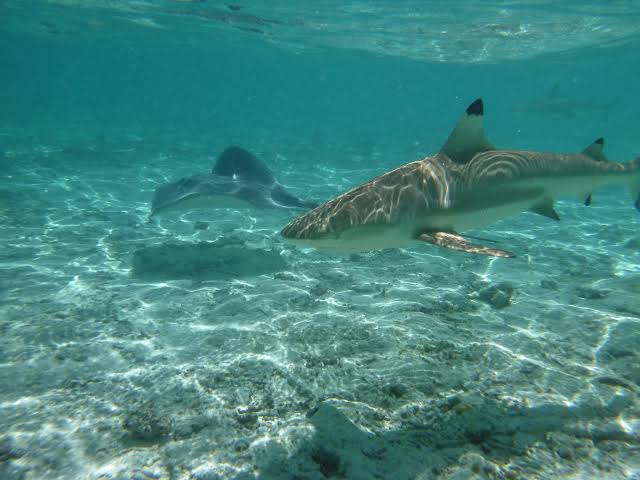
Friendly stingrays and blacktip reef sharks. Source: Destinations & Desserts
Coral Gardens
Dotted throughout the lagoon are vibrant coral gardens. These shallow, protected areas are teeming with tropical fish, including butterflyfish, clownfish, and the vividly colored parrotfish. Because the water is so buoyant and calm, snorkeling here feels effortless.
Manta Rays
If you venture closer to the deeper channels where the lagoon meets the open ocean, you might have the chance to spot majestic manta rays. These gentle giants, boasting wingspans that can reach 15 feet, glide gracefully through the water to feed on plankton.
Best Time to Go
When planning a trip to the South Pacific, understanding the tropical weather patterns is essential for ensuring the most comfortable and enjoyable experience.
- The Dry Season (May to October): This is universally considered the best time to visit Bora Bora. The humidity is significantly lower, the skies are generally clear, and the trade winds provide a constant, cooling breeze. Temperatures hover comfortably in the low to mid-80s. Because the weather is so reliable, this is the peak tourist season.
- The Shoulder Months (April and November): These transition months are fantastic options. You will still enjoy plenty of sunshine and warm water, but the resorts are slightly less crowded, and you can often find better rates before or after the peak season rush.
- The Wet Season (December to March): Also known as the Polynesian summer, these months are hot, highly humid, and prone to frequent, heavy rain showers and occasional tropical storms. While you can still have a wonderful trip (and the lush mountains are at their greenest), the intense humidity and unpredictable weather make this the least ideal time for those seeking guaranteed outdoor lounging.
Getting There, Getting Around, & Where to Stay
Getting There
Traveling to Bora Bora is a journey, but it is a remarkably smooth and well-oiled machine designed to minimize travel stress.
- International Flight: You will first fly into Faa'a International Airport (PPT) in Papeete, Tahiti. Direct flights are available from major hubs like Los Angeles, San Francisco, Seattle, and Auckland.
- Island Hopper: From Tahiti, you will take a short, breathtaking 45-minute flight via Air Tahiti to the Bora Bora Airport (BOB).
- The Airport Transfer: Here is where the magic begins. The Bora Bora airport is located on its own private motu (islet). There are no taxis waiting outside. Instead, you collect your bags and walk directly to a dock where a sleek, private resort boat will be waiting to whisk you across the lagoon to your hotel.
Getting Around
Navigating Bora Bora is entirely water-based. If you are staying at a luxury resort on one of the outer motus, you will use the resort's shuttle boats to travel to the main island (Vaitape) if you wish to shop, dine at local restaurants, or explore. Once on the main island, local taxis or arranged transfers will take you where you need to go.
Where to Stay
The vast majority of visitors choose to stay at the luxury resorts situated on the outer motus surrounding the lagoon, as these offer the iconic views of Mount Otemanu and the most spacious overwater bungalows.
- The Luxury Heavyweights (St. Regis, Four Seasons, Conrad): These resorts offer the pinnacle of luxury, privacy, and accessibility. They feature massive, easily navigable resort grounds, world-class spas, multiple dining options, and golf-cart services to ferry you from your bungalow to the pool. They are perfect for travelers who want a seamless, high-end experience without needing to leave the property.
- The Mainland (InterContinental Le Moana, boutique pensions): Staying on the main island is generally more affordable and offers immediate access to Matira Beach (the only public beach on the island) and local dining. However, you trade the sweeping, panoramic views of the mountain for a closer, more localized experience.
Things To Do
Bora Bora is not a destination for high-speed itineraries. The best activities here emphasize relaxation, appreciation of the natural environment, and luxurious comfort.
Take a Private Lagoon Tour
Skip the crowded group boats and charter a private pontoon or outrigger canoe for a half-day tour of the lagoon. A private guide will tailor the day to your pacing, taking you to the best snorkeling spots, the shallow sandbars for shark and ray encounters, and offering a wealth of knowledge about Polynesian culture.
Indulge in a Polynesian Spa Day
The luxury resorts in Bora Bora are famous for their spas, many of which incorporate traditional Polynesian healing techniques. Book a Taurumi massage, which uses pure monoi oil (coconut oil infused with tiare flowers), and relax in spa suites that often feature glass floors so you can watch the fish while you receive your treatment.
Explore the Island via 4x4 Safari
If you want a break from the water, book a 4x4 Jeep tour of the main island. These guided tours take you up the steep, lush volcanic slopes to panoramic viewpoints that look out over the lagoon. It is a fantastic way to see the island's interior and learn about its World War II history, complete with remaining coastal defense cannons.
Dine at Legendary Restaurants
While resort dining is spectacular, venturing to the main island for dinner is highly recommended.
- Bloody Mary’s: A Bora Bora institution with sand floors, thatched roofs, and a massive fresh seafood display where you pick your catch before it is grilled to perfection.
- La Villa Mahana: For a truly exclusive, romantic evening, this tiny, intimate restaurant offers incredible French-Polynesian fusion cuisine. With only a handful of tables, reservations must be made months in advance.
Enjoy the Ultimate Sunset
The sunsets in French Polynesia are nothing short of spiritual.
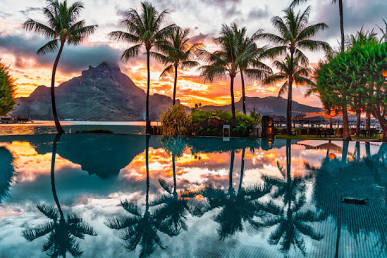
A tranquil sunset over the Bora Bora lagoon. Source: iStock
Because of the extreme clarity of the air, the sky routinely turns explosive shades of gold, crimson, and deep purple. The best way to experience it is exactly where you are: order room service to the private deck of your overwater bungalow, pour a glass of champagne, and watch the sun sink into the Pacific in complete, luxurious peace.