The Ultimate Guide to Flamenco Beach: Puerto Rico’s Caribbean Masterpiece
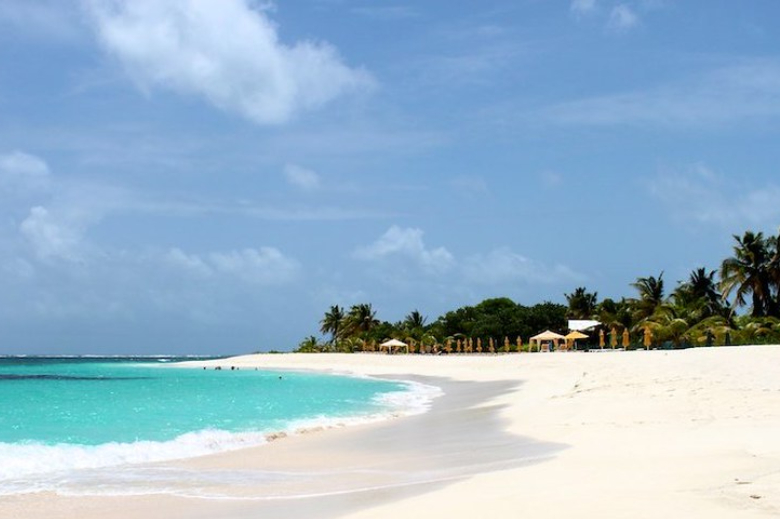
When travelers dream of the perfect Caribbean beach, they are usually picturing a very specific combination: blindingly white sand, water so vividly turquoise it looks illuminated from below, and a lush, mountainous backdrop. Flamenco Beach, located on the small island of Culebra just off the eastern coast of Puerto Rico, delivers this exact fantasy with effortless perfection. Consistently ranked among the top beaches in the world, it is a destination that completely justifies its massive global reputation. Welcome to the ultimate travel guide to Flamenco Beach. Whether you are looking to snorkel in calm, gin-clear shallows, enjoy a fresh empanada under a palm tree, or photograph the iconic, graffiti-covered relics of its unique history, this comprehensive guide covers everything you need to know about Puerto Rico’s most spectacular stretch of sand.
Why It’s Worth Knowing About
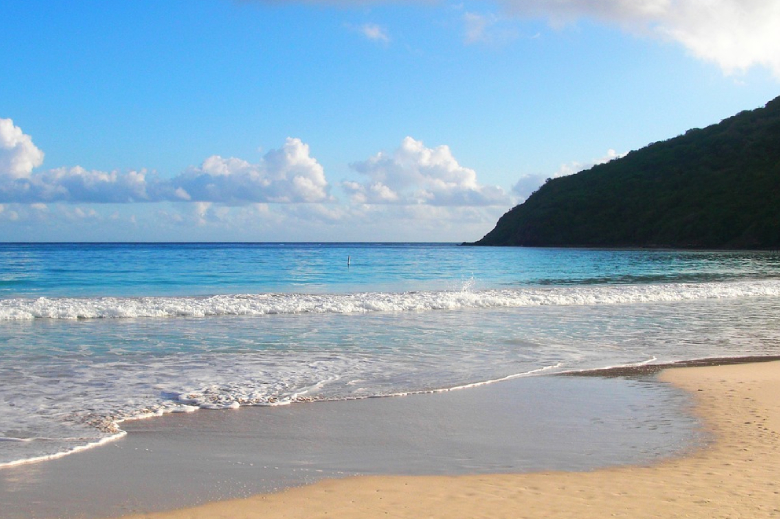
Flamenco Beach is a perfectly protected, horseshoe-shaped bay spanning nearly a mile and a half of pristine coastline. The sand here is spectacularly fine and bright white, bordered by a dense, verdant nature reserve rather than towering mega-resorts. Because the bay is sheltered by outlying coral reefs, the water is incredibly calm, making it one of the most comfortable and safe swimming beaches in the Caribbean.
However, what truly makes Flamenco Beach unique is its fascinating, visible history. For decades, the U.S. Navy used Culebra—and Flamenco Beach specifically—as a gunnery and bombing practice range. Following years of peaceful protests by the local residents, the Navy finally departed the island in 1975. When they left, they abandoned several massive Sherman tanks directly on the beach. Over the past half-century, the salty sea winds have rusted the metal, and locals and visitors have continuously painted the tanks with vibrant graffiti. Today, these colorful, rusting war machines sit half-buried in the pristine white sand, serving as powerful monuments of peace and providing one of the most unique, iconic photo opportunities in the world.
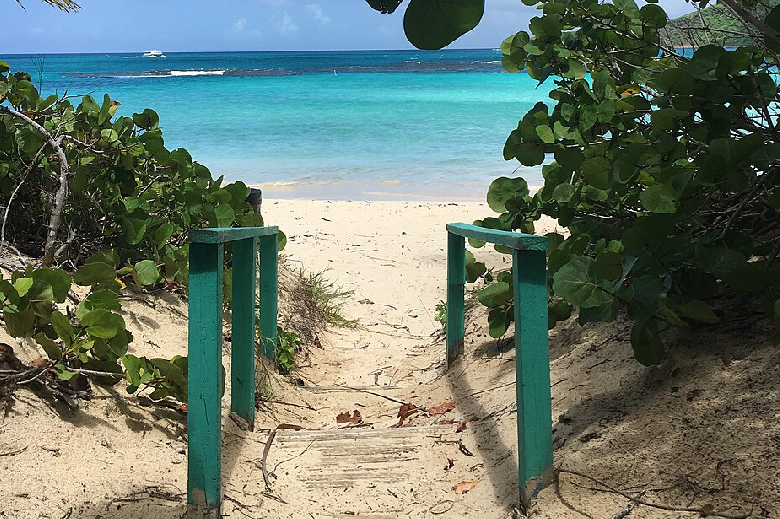
Photo Credit: WikiMedia
Water Data: Temperature & Clarity
Floating in the tropical waters of the Caribbean Sea, the ocean conditions at Flamenco Beach are exceptionally inviting year-round.
Water Temperatures by Season
Puerto Rico enjoys a beautifully consistent tropical climate, meaning you will never need a wetsuit for casual swimming or snorkeling.
- Winter (Dec - Feb): 80°F - 81°F (26°C - 27°C). Flawlessly warm. It offers a spectacular, bath-like escape for those fleeing freezing northern temperatures.
- Spring (Mar - May): 79°F - 81°F (26°C - 27°C). Perfectly comfortable. The water remains wonderfully inviting for long, relaxing swims.
- Summer (Jun - Aug): 83°F - 84°F (28°C - 29°C). Extremely warm. It feels like a massive heated pool, providing the ultimate relaxing soak on a hot day.
- Fall (Sep - Nov): 83°F - 84°F (28°C - 29°C). Retains the peak summer heat. The water is fantastic, though this season aligns with the height of the Atlantic hurricane season.
Water Clarity
The clarity at Flamenco Beach is legendary. Because the horseshoe bay is protected from heavy Atlantic surf by a series of reefs, the water is generally waveless and glassy. There is very little suspended sediment, resulting in a striking, translucent turquoise color. You can easily wade out to your chest and see your toes perfectly on the soft, sandy bottom.
Marine Life
The calm, protected waters of the Culebra archipelago make it a thriving sanctuary for Caribbean marine life.
Sea Turtles: Culebra is world-renowned for its sea turtle population. The beaches here serve as critical nesting grounds for leatherback and hawksbill turtles. While you might not see them nesting during the day, snorkeling in the seagrass beds just off the beach—or at nearby Tamarindo Beach—frequently rewards you with the incredible experience of swimming alongside these gentle creatures.
Tropical Reef Fish: If you bring a snorkel and swim toward the rocky edges of the bay, you will find vibrant fringing reefs. Expect to see colorful parrotfish, blue tangs, sergeant majors, and occasionally a spotted eagle ray gliding smoothly over the sandy shallows.
Best Time to Go
Culebra can be enjoyed year-round, but your experience will vary significantly depending on the season.
- Winter (December to February): This is the peak tourist season. The weather is spectacular (highs in the low 80s) and the rainfall is low. It is the absolute best time for a flawless beach day, but you must book ferries and accommodations well in advance as the island is busy.
- The Spring Sweet Spot (March to May): Spring offers a fantastic balance. The weather remains gorgeous, and after the spring break rush in March, the crowds thin out slightly in April and May, providing a more relaxed island vibe.
- Summer (June to August): This is when Puerto Ricans flock to Culebra for their summer vacations. The beach takes on a highly festive, local, and energetic atmosphere. It is hot and humid, mas the extraordinarily warm ocean water is perfect for endless swimming.
- Fall (September to November): This is the quietest time on the island, primarily because it coincides with the Atlantic hurricane season. While you can score excellent travel deals and have the beach almost entirely to yourself, the weather is unpredictable.
Getting There, Getting Around, & Where to Stay
Getting There
Reaching Culebra requires an extra step from the main island of Puerto Rico, which helps keep it from feeling overly commercialized.
- By Air: The easiest, most scenic way is to take a quick, 30-minute puddle-jumper flight from San Juan (either SJU or Isla Grande airport) directly to Culebra’s small airport.
- By Ferry: A much cheaper alternative is taking the passenger ferry from the town of Ceiba (on the east coast of Puerto Rico). The ferry takes about 45 minutes to an hour. Tip: Book your ferry tickets online weeks in advance, as they sell out incredibly quickly.
Getting Around
- Públicos (Shared Taxis): When you arrive at the ferry dock or airport, you will find rows of públicos (vans). For a few dollars, they will shuttle you directly to Flamenco Beach.
- Golf Carts & Jeeps: Renting a golf cart or a Jeep is the best way to explore the island at your own pace. The roads are hilly, but zipping around the island in an open-air golf cart is half the fun of a Culebra vacation.
Where to Stay
There are no massive, towering resorts on Culebra, which is exactly why people love it.
- Dewey (The Main Town): Staying in the small town of Dewey puts you within walking distance of the ferry terminal, local restaurants, and bars. It is a fantastic home base for renting a cart and exploring daily.
- Boutique Villas: The hillsides surrounding the island offer numerous private villas and small guesthouses that provide stunning ocean views and quiet luxury.
- Camping on the Beach: For the adventurous, Flamenco Beach features a designated, government-run campground directly behind the tree line. It is one of the only places in Puerto Rico where you can legally pitch a tent steps from the ocean (always verify that the facilities are currently open before arriving).
Things To Do
Flamenco Beach offers a perfect blend of absolute relaxation, unique history, and local culinary flavor.
Photograph the Iconic Tanks: This is the most famous activity on the beach. Walk toward the rocky western end of the bay to find the most prominent Sherman tank. Its rusting hull is covered in layers of vibrant, ever-changing graffiti. Sitting in stark contrast against the brilliant white sand and turquoise water, it is a uniquely powerful and visually striking monument.
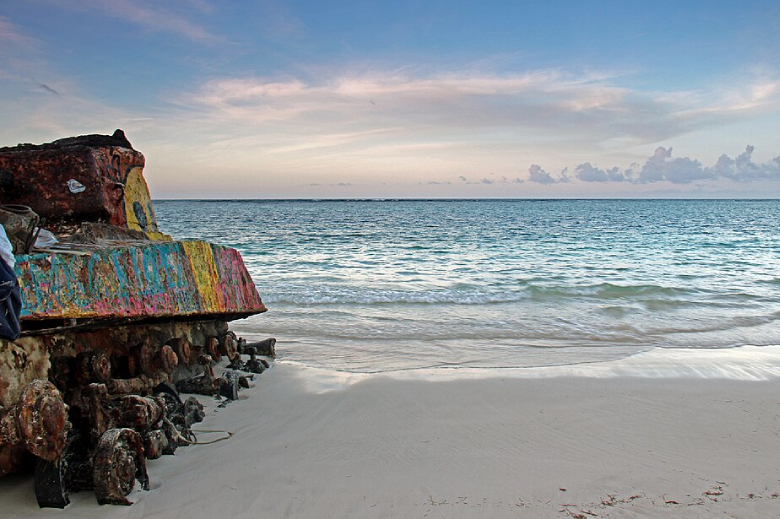
Photo Credit: Carolyn Sugg
Eat at the Kioskos: You do not need to pack a massive cooler for a day here. Right at the entrance to the beach, tucked beneath the trees, is a row of food kiosks. They serve incredible local beach fare—grab a fresh, flaky empanada (pastelillo), some fried fish, and a piña colada or a cold Medalla beer, and enjoy lunch in the shade.
Snorkel the Reefs: Bring your mask and fins. Because the water is so calm, you can swim out to the rocky edges of the horseshoe bay to explore the fringing reefs. It is incredibly safe, shallow, and visually rewarding.
Watch the Sunset: While the beach faces slightly north, the fading light of the day turns the entire bay into a serene, pastel paradise. As the day-trippers head back to the ferry terminal, the beach empties out. Grab a towel, find a quiet spot on the sand, and watch the sky shift into brilliant shades of orange and violet as the Caribbean sun dips below the lush green hills.