The Ultimate Guide to Navagio Beach: The Spectacular Shipwreck of Zakynthos
When it comes to the most photographed, instantly recognizable coastlines in Europe, Navagio Beach on the Greek island of Zakynthos holds a legendary status. Framed by towering, vertical limestone cliffs and kissed by water so blindingly blue it looks artificially colored, this cove is a masterclass in dramatic Mediterranean beauty. Welcome to the ultimate travel guide to Navagio Beach, famously known as Shipwreck Beach. While recent geological events have shifted how visitors interact with the cove, its visual majesty remains completely undiminished. Whether you want to view it from a comfortable, shaded catamaran or gaze down upon it from a secure clifftop platform, this comprehensive guide covers everything you need to know to safely and comfortably experience this Ionian jewel.
Why It’s Worth Knowing About
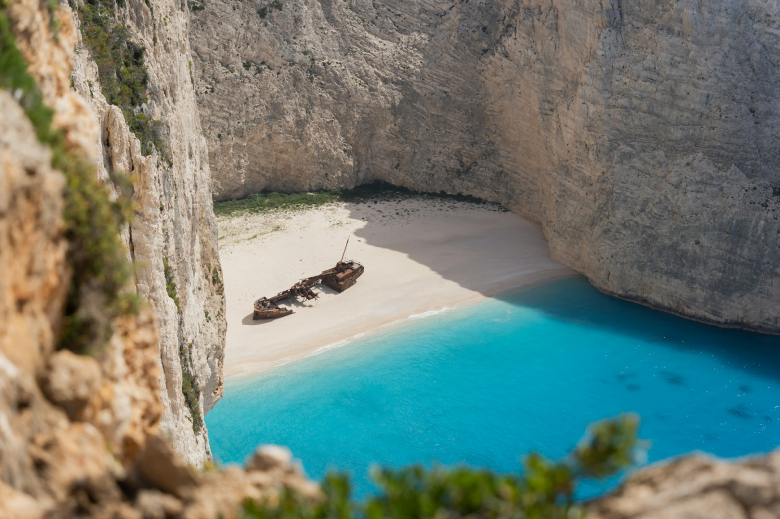
Navagio Beach is a destination defined by a singular, striking contrast: pristine natural beauty colliding with a rusted, decaying piece of modern history. In October 1980, a coastal freighter named the MV Panagiotis ran aground in this remote, unnamed cove during stormy weather. The ship, allegedly smuggling contraband, was abandoned by its crew and left to the mercy of the Ionian Sea. Over the decades, the ocean relentlessly pushed the rusted hull high onto the gleaming white pebbles, inadvertently creating one of the most visually stunning scenes on the planet.
What makes Navagio incredibly important to know about right now is its current preservation and safety status. The towering limestone cliffs that make the bay so spectacular are also geologically active. Following a series of rockfalls and a 2022 earthquake, Greek authorities have strictly closed the beach itself to landings through at least October 31, 2026. This means you cannot currently walk on the sand or swim in the bay. However, this closure has actually improved the visual experience for many travelers. Instead of fighting through massive crowds of tourists clustered around the rusty hull, visitors can now appreciate the pristine, untrammeled beauty of the beach exactly as it looks in photographs—viewed gracefully from a boat holding its position just offshore, or from the panoramic clifftops above. It is a highly accessible, low-impact excursion that requires no strenuous hiking to appreciate.
Water Data: Temperature & Clarity
Navagio Beach is located on the northwestern coast of Zakynthos, facing the open Ionian Sea. The water here is famous for a very specific, surreal aesthetic.
Water Temperatures by Season
The Ionian Sea is generally milder and slightly warmer than the Aegean Sea (which surrounds islands like Mykonos or Santorini), offering an exceptionally comfortable climate.
- Winter (Dec - Feb): 59°F - 62°F (15°C - 17°C). Cold and brisk. Boat tours to the northwest coast generally cease operating during these months.
- Spring (Mar - May): 63°F - 68°F (17°C - 20°C). Refreshing. By late May, the water surrounding Zakynthos is warming up beautifully for coastal cruising.
- Summer (Jun - Aug): 75°F - 81°F (24°C - 27°C). Supremely comfortable and bath-like. It provides the perfect temperature for swimming at alternative, open beaches nearby.
- Fall (Sep - Nov): 71°F - 77°F (22°C - 25°C). September holds the peak summer warmth perfectly, making it an ideal time for water-based tours before late autumn cooling.
Water Clarity and Color
The water at Navagio is not just clear; it is a milky, electric, almost neon blue. This breathtaking color is entirely natural. The surrounding cliffs are composed of white limestone. As the sea continuously laps against the rocks, microscopic particles of limestone dissolve and become suspended in the water. When the intense Greek sunlight hits these suspended particles, it reflects an impossible, glowing turquoise hue that practically defies description.
Marine Life
While the immediate bay of Navagio is closed to swimming, the surrounding waters of Zakynthos—particularly the southern and western coasts—are home to one of the most important marine ecosystems in the Mediterranean.
Loggerhead Sea Turtles (Caretta Caretta): Zakynthos is globally renowned as the premier nesting ground for the endangered Loggerhead sea turtle. While they primarily nest on the southern beaches of the island (in the Bay of Laganas), it is very common to spot them surfacing for air while you are cruising the western coastline on a boat tour toward Navagio.
Mediterranean Monk Seals: The remote sea caves dotting the northwestern coast near Navagio provide a sanctuary for the critically endangered Mediterranean Monk Seal. Sightings are extremely rare, but the protection of this rugged coastline helps ensure their survival.
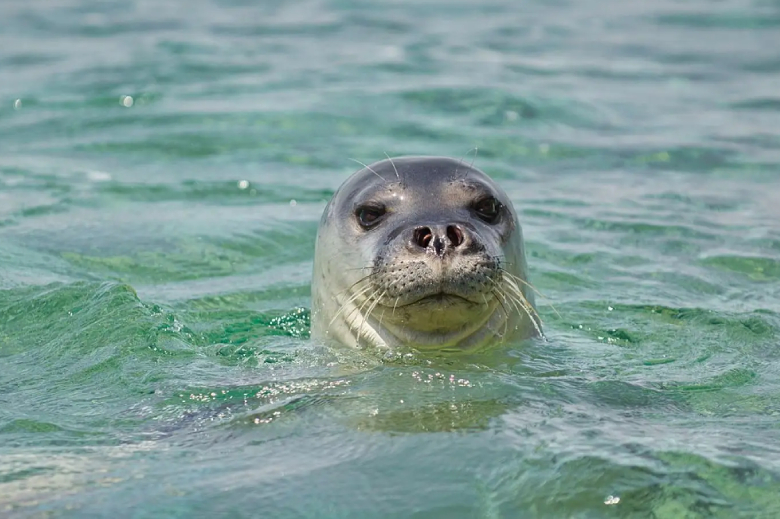
Photo Credit: Animalia
Dolphins: The deep, nutrient-rich waters of the Ionian Sea frequently attract pods of common and bottlenose dolphins. If you take an early morning or sunset boat tour to the shipwreck, keep an eye on the bow wake—dolphins love to swim alongside the boats as they cruise up the coast.
Best Time to Go
Zakynthos enjoys a brilliant Mediterranean climate, but choosing the right time to visit the Shipwreck depends heavily on comfort and lighting.
- The Golden Shoulder Seasons (May-June & September-October): For those seeking a relaxed, highly comfortable pace, these months are flawless. The punishing heat of peak summer is absent, the Ionian Sea is calm and inviting, and the large tour buses have either yet to arrive or have already left.
- Peak Summer (July & August): The weather is reliably hot, sunny, and dry. Because the beach faces west, the sun does not fully illuminate the sand and the shipwreck until around 11:00 AM. If you are taking a boat tour during these months, opt for a late-morning departure to see the water glowing at its brightest, but ensure your boat has ample shade to escape the midday heat.
- Winter (November to April): Not recommended. The island largely shuts down, heavy rains are common, and the sea conditions on the rugged west coast often prevent boats from safely navigating to the bay.
Getting There, Getting Around, & Where to Stay
Getting There
Zakynthos (also known as Zante) is highly accessible from the Greek mainland and major European hubs.
- Fly: Zakynthos International Airport (ZTH) receives direct flights from Athens (a quick 45-minute hop) and numerous direct seasonal flights from the UK, Germany, and Italy.
- Ferry: If you are driving or island-hopping, comfortable, large-scale ferries operate daily from the mainland port of Kyllini, taking about 1.5 hours to reach Zakynthos Town.
Getting Around
- Rental Car: A car is highly recommended if you want to explore the island at your own pace, visit the traditional mountain villages, or drive to the Navagio clifftop viewpoint.
- Private Drivers / Taxis: If you prefer not to drive, arranging a private driver for a day trip to the northern sights is a stress-free, deeply comfortable alternative.
Where to Stay
- The North (Agios Nikolaos / Volimes): This area is serene, authentic, and spectacularly beautiful. It is dotted with luxury, private pool villas and boutique hotels. Staying here puts you just a short boat ride away from Navagio Beach and the Blue Caves.
- Zakynthos Town: For a touch of Venetian history, staying near the main town offers charming pedestrian streets, excellent waterfront dining, and easy access to local culture.
- Vasilikos Peninsula (The Southeast): If you want to combine your boat trip to the shipwreck with days spent relaxing on the island's best sandy, swimmable beaches, the Vasilikos area offers lush pine forests and quiet, upscale resort options.
Things To Do
While you cannot step onto the sand of Navagio, the ways you can view and experience this coastline are completely safe, highly accessible, and deeply rewarding.
View from the Clifftop Platform: For the iconic, panoramic photograph that graces every travel magazine, drive to the official Navagio Beach Viewpoint near the village of Anafonitria.
The Greek authorities have maintained a secure, fenced observation deck that hangs over the edge of the cliffs. It is accessible via a short, flat walk from the gravel parking area. Because the railing has been reinforced and pulled back to a sensible, safe distance, it offers a spectacular, worry-free vantage point. Tip: Arrive between 9:00 AM and 11:00 AM to beat the crowds and see the bay before the boats arrive.
Take a Premium Boat Charter: The absolute best way to experience the scale of the cliffs is from the water. Skip the massive, 200-person party boats and charter a small, private speedboat or a comfortable, shaded catamaran from the northern ports of Agios Nikolaos or Porto Vromi. Under current regulations, boats may enter the bay and hold position roughly 50 meters offshore, offering an unobstructed view from the comfort of a cushioned seat.
Explore the Blue Caves: Nearly all boat tours to Navagio will include a stop at the Blue Caves on the island's northern tip at Cape Skinari. These are a series of natural limestone arches and sea caves. When the sunlight filters through the water, it reflects off the white seabed, illuminating the inside of the caves with a mesmerizing, glowing blue light.
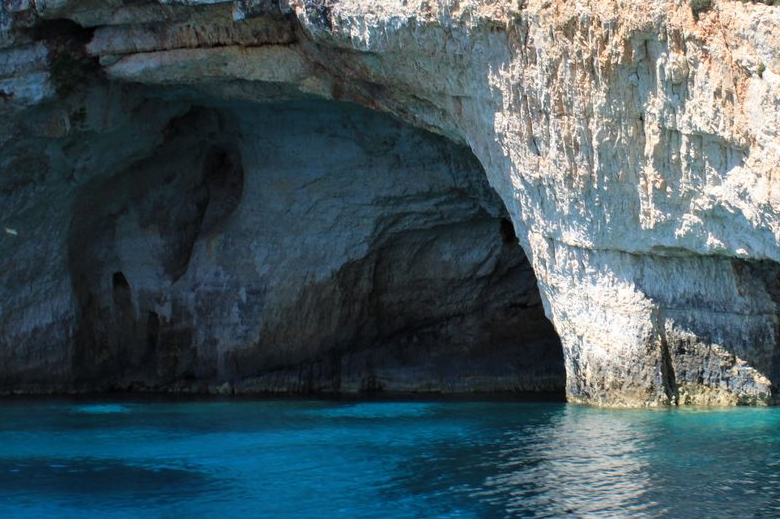
Photo Credit: Dimitri Mourousiadis on Instagram
Dine in a Traditional Mountain Village: After viewing the shipwreck from the cliffs, take a leisurely drive through the traditional mountain villages of Volimes or Exo Chora. These quiet, historic hamlets are famous for their local honey, handmade lace, and incredibly welcoming family-run tavernas where you can enjoy authentic Zakynthian dishes under the shade of ancient olive trees.