The Ultimate Guide to Elafonisi Beach: Crete’s Pink Sand Paradise
When it comes to Mediterranean coastal destinations, the Greek islands boast some of the most striking landscapes on earth. Yet, even among the thousands of stunning coves and bays scattered across the Aegean and Libyan seas, Elafonisi stands entirely in a league of its own. Located on the remote southwestern corner of Crete, this breathtaking nature reserve feels less like Europe and more like a remote South Pacific atoll.
Welcome to the ultimate travel guide to Elafonisi Beach. Known globally for its crushed pink sand and exceptionally calm, shallow lagoons, it is a destination that offers effortless exploration and world-class beauty. From understanding the science behind the shoreline to planning a comfortable, stress-free journey through the Cretan mountains, this comprehensive guide covers everything you need to know.
Why It’s Worth Knowing About
Elafonisi is technically not just a beach; it is a rectangular peninsula that is separated from the Cretan mainland by a spectacular, shallow lagoon.
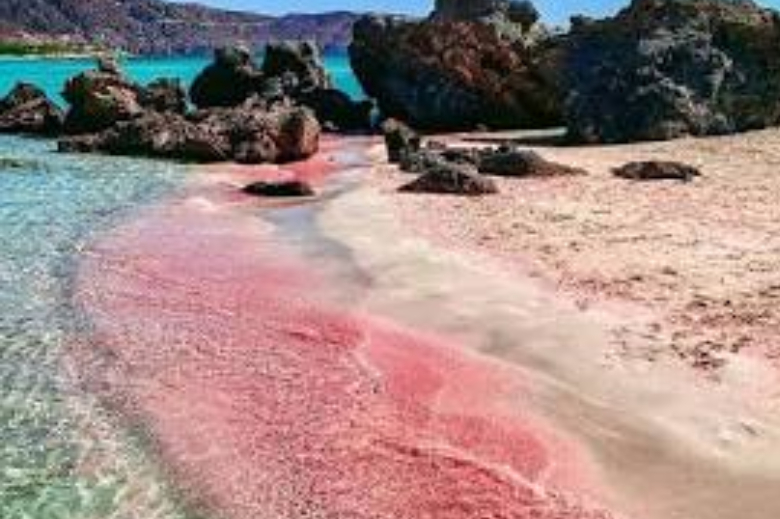
What makes Elafonisi globally famous is the surreal color of its sand. While the main stretches of the beach feature blindingly white sand, the water's edge is frequently painted in vibrant shades of pastel pink.
This stunning phenomenon is not an optical illusion. The pink hue is created by millions of microscopic, red-shelled microorganisms called foraminifera. When these organisms die, their fragile shells are ground down by the gentle waves and mixed with the white quartz sand and crushed coral. The intensity of the pink color changes daily depending on the wind, the tide, and the season, but when the conditions are right, a walk along the water's edge is a truly magical experience.
Beyond its visual appeal, Elafonisi is a strictly protected Natura 2000 ecological reserve. This designation ensures that the surrounding sand dunes and endemic plant life remain untouched by heavy commercial development. For mature travelers and those seeking a tranquil, low-impact beach day, the flat, forgiving terrain of the lagoon provides a uniquely comfortable environment to wade, explore, and relax without battling heavy surf or steep coastal cliffs.
Water Data: Temperature & Clarity
Elafonisi sits at the crossroads of the Mediterranean and Libyan Seas. Because the main feature here is a vast, enclosed lagoon, the water conditions are extraordinarily calm and much warmer than typical open-ocean beaches.
Water Temperatures by Season
The shallow depth of the lagoon allows the intense Mediterranean sun to heat the water rapidly, creating incredibly comfortable swimming conditions.
| Season | Avg. Water Temp | How it Feels |
| Winter (Dec - Feb) | 60°F - 63°F (16°C - 17°C) | Very chilly. The beach is deserted, and the water is too cold for casual wading. |
| Spring (Mar - May) | 62°F - 68°F (17°C - 20°C) | Brisk in early spring, but by May, the shallow lagoon warms up beautifully for knee-deep wading. |
| Summer (Jun - Aug) | 75°F - 82°F (24°C - 28°C) | Bath-like. The water in the lagoon can feel like a heated pool, providing ultimate comfort for long, leisurely soaks. |
| Fall (Sep - Nov) | 70°F - 77°F (21°C - 25°C) | September is exceptionally warm. The water retains the summer heat well into October before cooling off. |
Water Clarity
The water clarity at Elafonisi is flawless. Because the lagoon is protected from the open sea by the peninsula, there are virtually no waves to churn up the sand.
The water is a striking, translucent turquoise that allows you to see straight to the bottom, even in the deeper sections. At its deepest point between the mainland and the island, the water rarely rises above waist level, making it incredibly easy and safe to cross on foot.
Marine Life
As a Natura 2000 protected area, Elafonisi is a vital sanctuary for several species of Mediterranean flora and fauna. While you won't find massive coral reefs, the local ecosystem is delicate and fascinating.
Loggerhead Sea Turtles (Caretta Caretta)
Elafonisi is a crucial nesting ground for the endangered Caretta Caretta, or Loggerhead sea turtle.
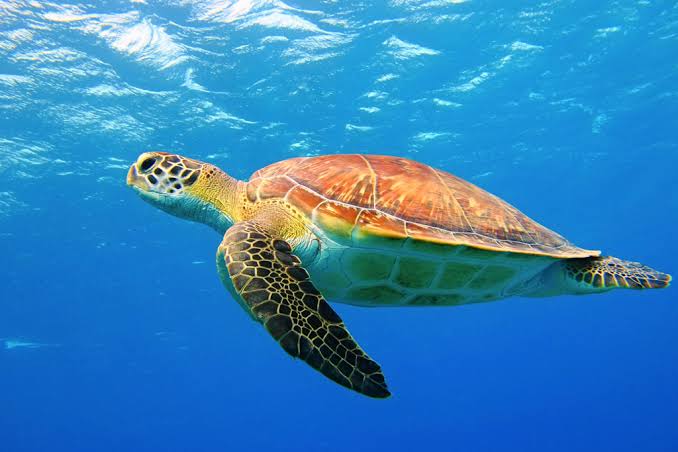
The protected Caretta Caretta sea turtle. Source: Fly Me To The Moon Travel
During the summer months, female turtles come ashore at night to lay their eggs in the soft sand. If you visit between June and August, you will likely see designated, roped-off areas on the beach protecting the nests. While it is rare to see the turtles during the busy daytime hours, respecting the marked conservation zones ensures these magnificent creatures can continue to thrive.
Endemic Flora
The true biological stars of Elafonisi are found in the sand dunes. The island is home to over 100 rare plant species, including the beautiful white Sea Daffodil (Pancratium maritimum), which blooms in late summer. The dunes are strictly protected by rope barriers; walking on them damages the fragile root systems that hold the island together.
Coastal Fish
If you bring a snorkel and venture past the shallow lagoon to the rocky outer edges of the peninsula, you will find small schools of Mediterranean reef fish, including ornate wrasse and small sea bream darting among the submerged stones.
Best Time to Go
Crete is one of the southernmost islands in Europe, meaning it boasts one of the longest swimming seasons in the Mediterranean.
- The Ultimate Sweet Spots (Late May & September to October): For those who prefer a comfortable, relaxed pace, the shoulder seasons are unmatched. The weather is blissfully warm (mid-70s to low 80s), the water is inviting, and you completely avoid the overwhelming throngs of peak-season tourists. The drive through the mountains is also much less stressful with fewer tour buses on the road.
- Peak Summer (July to August): This is when Elafonisi is at its most beautiful, but also its most crowded. The intense heat (often exceeding 90°F/32°C) makes the shallow lagoon feel fantastic, but finding a sunbed or a quiet spot on the sand requires arriving before 9:00 AM.
- Winter and Early Spring (November to April): Many of the local tavernas and amenities shut down. While it is a beautiful time for stark, dramatic photography and solitary walks, it is not recommended if you are looking for a classic beach vacation.
Getting There, Getting Around, & Where to Stay
Getting There
Your journey will likely begin at Chania International Airport (CHQ), located on the northwest coast of Crete. From the city of Chania, Elafonisi is about a 45-mile (73 km) drive south.
The route takes you inland through the spectacular Topolia Gorge. While incredibly scenic, the mountain roads are winding, narrow in places, and share space with wandering goats.
- Driving: Renting a comfortable, automatic car is highly recommended for exploring at your own pace. Plan to drive during daylight hours, as the mountain roads are unlit at night.
- Coach Tours: If you prefer not to navigate the winding roads yourself, numerous comfortable, air-conditioned coach tours depart daily from Chania. This is a fantastic, stress-free option that allows you to simply sit back and enjoy the dramatic scenery.
Getting Around
Once you arrive at the massive dirt parking lot near the beach, everything is accessible on foot. The terrain is flat, and wooden boardwalks lead from the parking area down to the main stretches of sand, making it easily navigable.
Where to Stay
Because Elafonisi is a protected reserve, there are no massive resorts built directly on the beach.
- Chania (For Amenities and Culture): Most visitors choose to stay in or near the historic Venetian city of Chania and make Elafonisi a day trip. Chania offers world-class dining, excellent medical facilities, and luxurious boutique hotels with highly accommodating service.
- Kissamos: Located slightly closer to Elafonisi on the northwest coast, this quiet town offers excellent, relaxed beachfront hotels without the bustling energy of Chania.
- Elos and Local Villages: For true tranquility, there are a handful of lovely, traditional guesthouses and villas in the small mountain villages just 15 to 20 minutes north of the beach. These offer profound peace and quiet and fantastic traditional Cretan food.
Things To Do
Elafonisi is a place to slow down, disconnect, and appreciate the incredible natural environment.
Wade Across the Lagoon
Leave your heavy bags on the mainland side and simply walk across the water to the Elafonisi peninsula. The water is rarely deeper than your knees, and the sandy bottom is incredibly soft. Once on the island side, you will find quiet, secluded coves and the most vibrant patches of pink sand. It is a completely effortless, low-impact way to explore.
Photograph the Pink Sand
The pink shoreline is most visible right where the gentle waves lap against the beach. The color pops most vibrantly in the mid-morning sun or late afternoon. Remember, it is strictly forbidden to take any of the pink sand home in jars or bottles; taking it slowly destroys the very phenomenon that makes the beach famous.
Visit the Chrisoskalitissa Monastery
Just a 10-minute drive north of Elafonisi sits this breathtaking, 17th-century Orthodox monastery. Built directly into a rocky cliff 115 feet above the Libyan Sea, it offers spectacular panoramic views of the coastline. The name translates to "Golden Step"—legend has it that one of the 98 steps leading up to the monastery is made of pure gold, but it is only visible to those who are truly devout.
Relax with Cretan Hospitality
On the main beach before crossing the lagoon, you will find several small cantinas and hundreds of sunbeds with umbrellas available for rent. Arrive early to secure a comfortable shaded spot, order a cold frappe (Greek iced coffee), and enjoy the spectacular views with a good book.
Watch the Sunset
If you have a rental car and are comfortable driving the first portion of the mountain road at dusk, staying for the sunset is highly recommended.
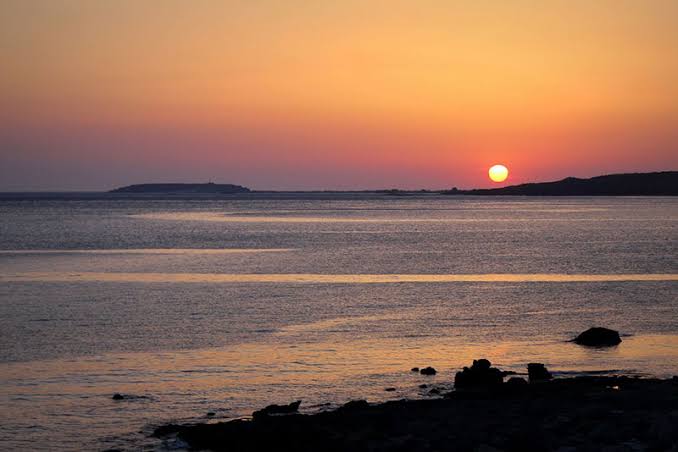
A tranquil sunset over the Libyan Sea. Source: Crete Holiday Villas
Because the beach faces southwest, you get an uninterrupted view of the sun sinking directly into the Libyan Sea. The fading light turns the shallow lagoon into a mirror of brilliant gold and violet, offering a perfectly peaceful end to your day on the island.