The Ultimate Guide to Baía do Sancho: Brazil’s Untouched Island Eden
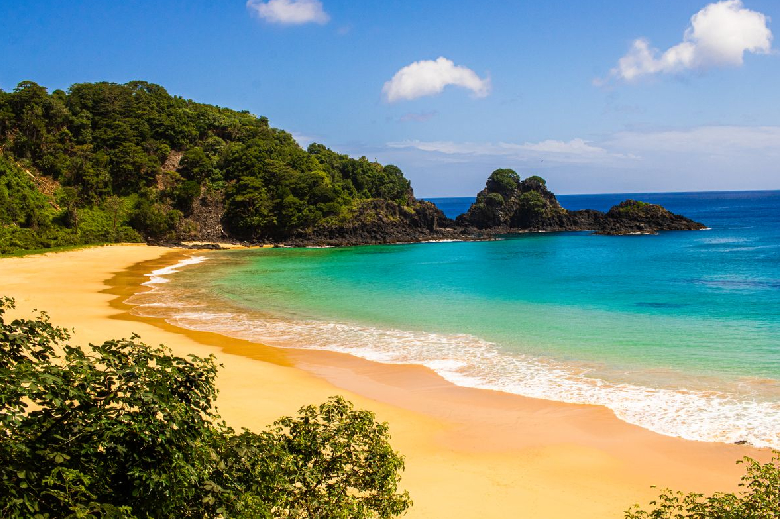
When discerning travelers and global beach critics compile their lists of the world's most spectacular shorelines, one name consistently dominates the number one spot: Baía do Sancho. Hidden away on the volcanic archipelago of Fernando de Noronha, roughly 220 miles off the northeastern coast of Brazil, this remote paradise is the ultimate expression of unspoiled tropical beauty. Welcome to the ultimate travel guide to Baía do Sancho. If your idea of a perfect beach involves pristine ecology, dramatic cliffside descents, and swimming alongside wild sea turtles in water as clear as glass, you have found your holy grail. From navigating the island's strict environmental protections to timing your visit for the calmest seas, this comprehensive guide covers everything you need to know about Brazil's most celebrated coastal sanctuary.
Why It’s Worth Knowing About
Baía do Sancho is not a beach you simply stumble upon; it is a highly protected ecological treasure that demands a bit of adventurous spirit to access. The beach is enclosed by towering, lushly vegetated cliffs that curve into a perfect, sweeping crescent. Because there are no roads leading directly to the sand, reaching Baía do Sancho requires a unique journey. Visitors must walk along a scenic cliff-top trail before descending through a narrow crevasse in the rock face via a series of steep, metal ladders. As you emerge from the rock and step onto the blindingly white sand, the sense of isolation and discovery is profoundly moving.
Beyond the dramatic entrance, Baía do Sancho is worth knowing about because it is a masterclass in environmental conservation. The entire Fernando de Noronha archipelago is a designated UNESCO World Heritage Site and a Brazilian national marine park. To protect the fragile ecosystem, the local government imposes a strict daily cap on the number of visitors allowed on the island and charges an environmental preservation fee. This means that even on its busiest days, Baía do Sancho never feels crowded. There are no beach clubs, no jet skis, and no beachfront vendors—just pure, raw nature. It is a destination that prioritizes the preservation of the environment over mass tourism, offering an incredibly rare, pristine beach experience.
Water Data: Temperature & Clarity
Floating in the equatorial Atlantic Ocean, Fernando de Noronha enjoys a distinctly tropical climate. The water conditions at Baía do Sancho are famously inviting, though they shift depending on the island's wet and dry seasons.
Water Temperatures by Season
The ocean here remains wonderfully warm year-round, meaning you will never need a wetsuit for casual swimming or snorkeling.
- Spring (Sep - Nov): 79°F - 81°F (26°C - 27°C). Flawlessly warm. This is the dry season, making the water feel perfectly refreshing against the tropical heat.
- Summer (Dec - Feb): 81°F - 82°F (27°C - 28°C). Bath-like and incredibly comfortable. As the wet season approaches, the water remains spectacular for long swims.
- Fall (Mar - May): 82°F - 84°F (28°C - 29°C). The peak of ocean warmth. The water feels like a heated pool, though this aligns with the island's rainiest months.
- Winter (Jun - Aug): 80°F - 82°F (27°C - 28°C). Consistently warm. The transition back into the dry season brings fantastic swimming conditions.
Water Clarity
Durante the dry season (roughly August to December), the ocean at Baía do Sancho is at its absolute calmest. The water transforms into a giant, waveless swimming pool with a vibrant emerald-cyan hue. Visibility is astonishing, often exceeding 160 feet (50 meters), making it one of the premier snorkeling and diving destinations on the planet. During the rainy season, passing swells can occasionally churn the water, but it largely retains its striking translucence.
Marine Life
Because it is a highly regulated national marine park, the biodiversity in the waters surrounding Baía do Sancho is staggering. It is a bustling nursery and sanctuary for South Atlantic marine life.
Spinner Dolphins: Fernando de Noronha is home to the largest known resident population of spinner dolphins in the world. While the main dolphin bay (Baía dos Golfinhos) is adjacent to Sancho and strictly off-limits to swimmers, these playful mammals frequently pass through Baía do Sancho. If you take a boat tour to the beach, it is incredibly common for massive pods to surf the wake of your boat, leaping and spinning acrobatically in the air.
Sea Turtles: The bay is a vital feeding and resting ground for hawksbill and green sea turtles. If you strap on a snorkel mask and swim just a few yards offshore, you are almost guaranteed to encounter them gliding gracefully over the rocky reef formations.
Eagle Rays and Reef Sharks: The crystal-clear shallows are frequently visited by spotted eagle rays and small, harmless lemon and reef sharks. The sheer abundance of tropical fish—ranging from vibrant parrotfish to schooling snappers—makes swimming here feel like floating inside a meticulously maintained aquarium.
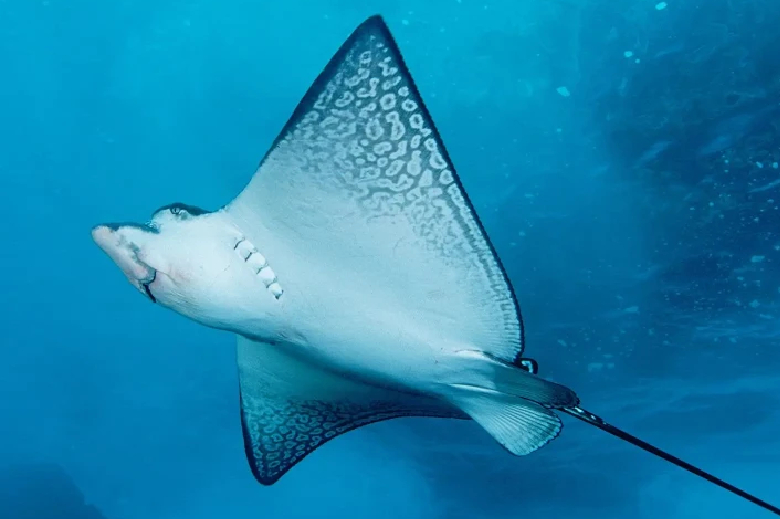
Photo Credit: Animalia
Best Time to Go
Timing your trip to Fernando de Noronha requires navigating the island's distinct wet and dry seasons, as well as its strict visitor limits.
- The Ultimate Sweet Spot (August to December): This is the dry season and universally considered the best time to visit Baía do Sancho. The Atlantic Ocean is practically waveless, maximizing the legendary water clarity for snorkeling. The skies are blue, the humidity is manageable, and the beach is at its most idyllic.
- The Wet Season (March to July): During these months, the island receives heavy, frequent rainfall, turning the volcanic peaks lush and vibrantly green. However, the rain can occasionally compromise water visibility, and the trails can become muddy.
- Surf Season (January to March): If you are an experienced surfer, the early months of the year bring heavy swells to the island, earning Fernando de Noronha the nickname "The Hawaii of Brazil." While great for surfing at other beaches on the island, the crashing waves make swimming and snorkeling at Baía do Sancho much more difficult.
Getting There, Getting Around, & Where to Stay
Getting There
Because it is an isolated archipelago, reaching Fernando de Noronha requires a bit of logistical planning.
- The Flights: You cannot fly directly to the island from outside Brazil. You must first fly into a mainland gateway city, typically Recife (REC) or Natal (NAT). From there, you will take a connecting 1-hour domestic flight to the small Fernando de Noronha Airport (FEN).
- The Fees: Before arriving, you must pay two mandatory fees: the Environmental Preservation Tax (charged per day of your stay) and the Marine National Park ticket (valid for 10 days, required to access Baía do Sancho).
Getting Around
The island is small, measuring just 7 miles long, but it is hilly.
- Dune Buggies: The most popular and fun way to explore the island is by renting an open-air beach buggy. It allows you to easily navigate the unpaved dirt roads leading to the national park entrances.
- Public Bus: A reliable, cheap public bus runs back and forth along the island's single main highway, though it won't take you all the way down the dirt trails to the beaches.
- Taxis: Island taxis (usually white buggies or SUVs) are readily available and can be called from any hotel or restaurant.
Where to Stay
Fernando de Noronha does not have massive, towering mega-resorts. Instead, accommodations consist of pousadas (traditional Brazilian guesthouses), ranging from rustic to ultra-luxurious.
- Vila dos Remédios: The historic main village of the island. Staying here puts you within walking distance of the best restaurants, lively bars, and the historic fort.
- Floresta Velha & Sueste: These neighborhoods offer high-end, luxury pousadas that provide incredible ocean views, infinity pools, and deep tranquility, perfect for honeymooners.
- Vila do Trinta: A more residential area offering mid-range and budget-friendly pousadas, favored by backpackers and scuba divers who spend all their time out exploring.
Things To Do
While Baía do Sancho is an incredible place to simply lay on the sand, the strict preservation rules mean you must bring your own gear to actively explore.
Navigate the Cliff Ladders: The descent to the beach is an adventure in itself. From the national park visitor center, you will walk along an accessible wooden boardwalk offering sweeping panoramic views. To reach the sand, you must climb down through a tight, vertical crevasse in the cliff using secure metal ladders. It is thrilling, but requires a reasonable level of mobility.
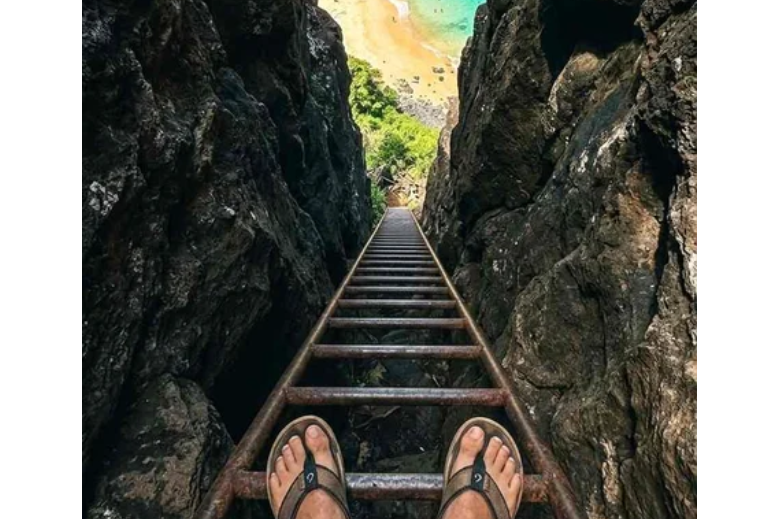
Photo Credit: Vaial Mare
Snorkel the Right Flank: Bring your own mask and snorkel (there are no rental shacks on the beach). The best snorkeling is found by swimming out toward the right side of the bay, near the rocky cliff edge. This is where the coral formations are densest, and where you are most likely to spot sea turtles, octopuses, and reef sharks.
Take a Boat Tour: If the cliff ladders seem too daunting, the best alternative is booking a coastal boat tour. These boats depart from the main harbor, cruise past the dolphin bay, and anchor directly in Baía do Sancho. You can jump off the boat directly into the crystal-clear water, bypassing the hike entirely.
Watch the Sunset at Dois Irmãos: While you cannot stay on Baía do Sancho after dark, you can end your day just a short distance away. Head to the nearby Baía dos Porcos or the Cacimba do Padre beach to watch the sunset behind the Morro Dois Irmãos (Two Brothers Hill). These iconic twin rock formations jut out of the ocean and create one of the most photographed, spectacular sunset silhouettes in all of South America.