The Ultimate Guide to Trunk Bay: St. John’s National Park Paradise
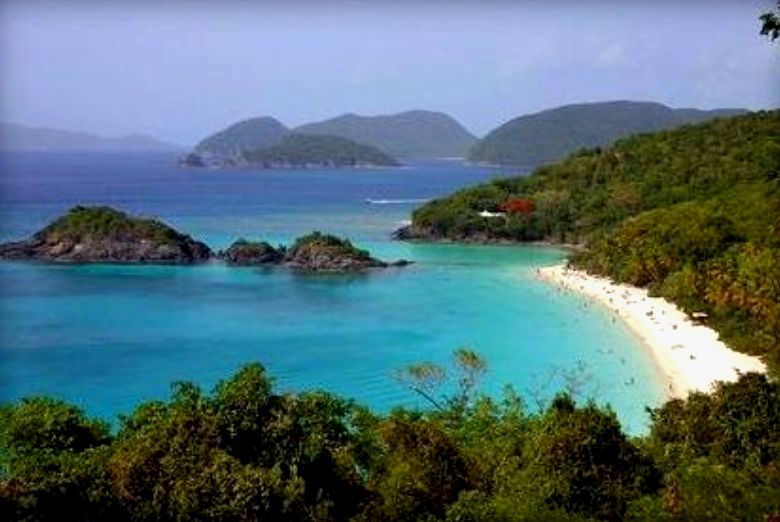
When it comes to the Caribbean, finding a beach that strikes a perfect balance between profound natural beauty and exceptional preservation is rare. However, Trunk Bay on the island of St. John in the U.S. Virgin Islands achieves exactly that. Frequently cited as one of the most photographed beaches in the world, this breathtaking crescent of sand is the undisputed crown jewel of the Virgin Islands National Park.
Welcome to the ultimate travel guide to Trunk Bay. Whether you want to "hike" one of the world's only underwater snorkeling trails, explore historic sugar mill ruins, or simply relax in the shade of a seagrape tree on pristine, federally protected sands, this comprehensive guide covers everything you need to curate an unforgettable USVI escape.
Why It’s Worth Knowing About
Trunk Bay’s global fame is deeply tied to its protected status. Unlike many Caribbean destinations that suffer from overdevelopment, roughly 60% of the island of St. John—including Trunk Bay—is protected as part of the Virgin Islands National Park.
Photographer: Colin Lloyd (Unsplash)
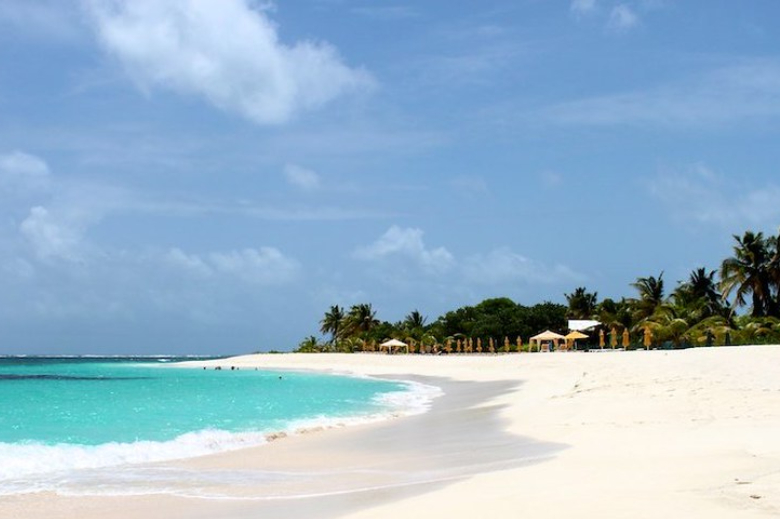
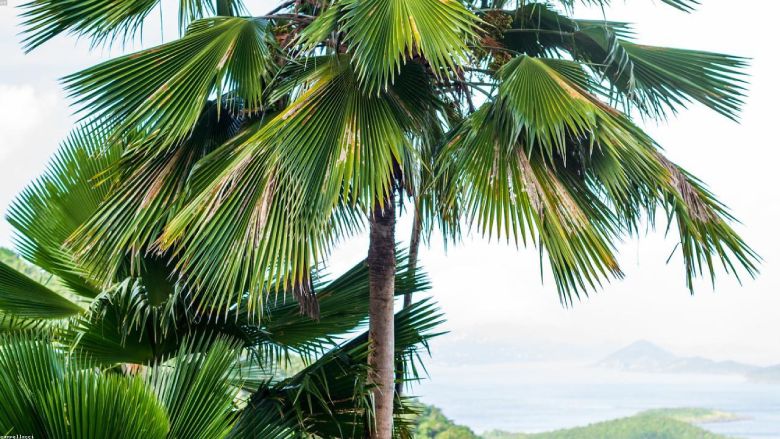
Because it is managed by the National Park Service, Trunk Bay is spectacularly clean and undeveloped. You will not find towering mega-resorts, noisy jet ski rentals, or concrete boardwalks crowding the sand. Instead, the beach is lined with lush, vibrant green hills, native seagrape trees, and a small, eco-friendly pavilion offering essential amenities like a snack shack, showers, and gear rentals.
The visual anchor of the beach is Trunk Cay, a small, rocky islet rising out of the water just off the shoreline. This cay not only provides a stunning backdrop for photography but also protects the bay from heavy surf, ensuring the water remains a calm, mesmerizing shade of turquoise.
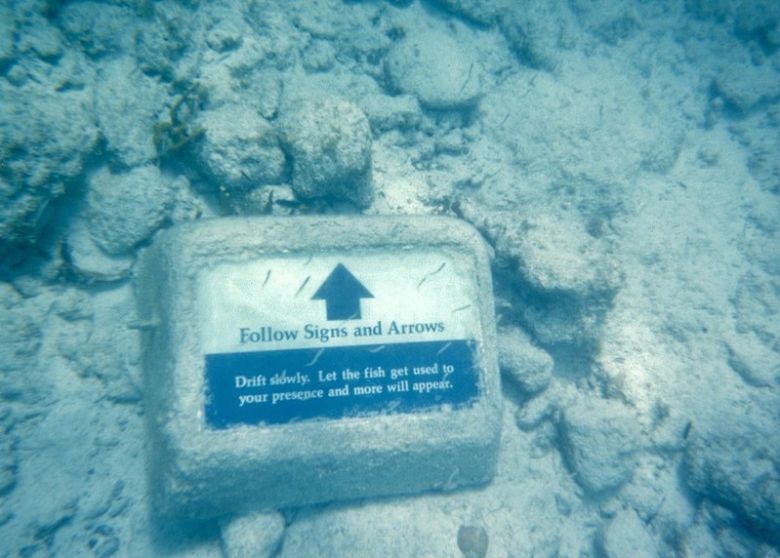
Most uniquely, Trunk Bay is famous for its Underwater Snorkeling Trail. It is one of the very first of its kind in the Caribbean, featuring submerged plaques that guide snorkelers through the fragile coral reef, transforming a simple beach day into a highly educational, immersive marine experience.
Water Data: Temperature & Clarity
Floating in the warm, tropical waters of the Caribbean Sea, the ocean conditions at Trunk Bay are famously inviting and incredibly safe for swimmers of all experience levels.
Water Temperatures by Season
The U.S. Virgin Islands enjoy a phenomenally consistent tropical climate, meaning the water feels fantastic all year long.
| Season | Avg. Water Temp | How it Feels |
| Winter (Dec - Feb) | 78°F - 80°F | Flawlessly comfortable. It offers a spectacular, refreshing escape for those fleeing freezing northern temperatures. |
| Spring (Mar - May) | 79°F - 82°F | Warming up beautifully. By late April, the ocean reaches an absolutely perfect temperature for prolonged swimming and snorkeling. |
| Summer (Jun - Aug) | 82°F - 84°F | Bath-like and intensely warm. It feels like a massive heated pool, providing the ultimate relaxing soak on a hot tropical day. |
| Fall (Sep - Nov) | 81°F - 83°F | Retains the peak summer heat. The water is fantastic, though this season aligns with the height of the Atlantic hurricane season. |
Water Clarity
Because it is a protected bay within a national park, the water clarity at Trunk Bay is exceptional. There is virtually no commercial boat traffic allowed near the swimming areas, and the presence of Trunk Cay helps block incoming waves that would normally churn up the sand. The result is crystal-clear visibility that makes navigating the underwater snorkeling trail effortless, allowing you to see the vibrant reef ecosystem clearly without having to dive deep.
Marine Life
The protected waters of Trunk Bay are a thriving sanctuary for marine biodiversity. The reef ecosystem here is closely monitored to ensure the delicate corals and local inhabitants remain healthy.
Tropical Reef Fish
As you explore the waters around Trunk Cay, you will be surrounded by a kaleidoscope of tropical fish. It is incredibly common to swim through massive schools of yellow-and-black sergeant majors and brilliant blue tangs. Keep an eye out for colorful parrotfish grazing on the coral and the occasional trumpetfish hovering vertically in the water column.
Corals and Sea Fans
The snorkeling trail highlights the architectural wonders of the reef itself. You will encounter large, distinctively grooved brain coral, branching elkhorn coral, and vibrant purple sea fans swaying gently in the underwater current.
Sea Turtles and Rays
If you swim toward the quieter, western edge of the bay or venture slightly past the main snorkeling trail, you stand a fantastic chance of encountering larger wildlife. Green and hawksbill sea turtles frequently glide through the clear waters, and it is very common to spot southern stingrays resting perfectly camouflaged on the sandy bottom.
Best Time to Go
Choosing the right time to visit St. John requires balancing your desire for perfect weather with your tolerance for crowds and peak pricing.
- The Peak Season (December to April): This is the most popular time to visit the USVI. The weather is spectacular—offering endless blue skies, lower humidity, and highly comfortable daytime temperatures in the low 80s. However, because Trunk Bay is the most famous beach on the island, the limited parking lot fills up quickly, and the sand can get quite crowded with day-trippers and cruise ship passengers.
- The Shoulder Season Sweet Spot (May to June): This is arguably the best time to visit. The heavy winter crowds have departed, but the intense threat of late-summer hurricanes has not yet arrived. The water is gorgeously warm, the island feels much more relaxed, and you have a much better chance of securing a shady spot under the seagrape trees.
- Hurricane Season (August to November): This is the quietest and cheapest time to visit, but it comes with a significant weather risk. While the beaches are wonderfully empty and the ocean is at its warmest, you must be prepared for the possibility of tropical storms and the reality that some local restaurants and shops may close for the season.
Getting There, Getting Around, & Where to Stay
Getting There
Reaching St. John is part of the adventure, as the island famously does not have its own commercial airport.
- Fly to St. Thomas: You will fly into Cyril E. King Airport (STT) on the neighboring island of St. Thomas.
- Take the Ferry: From the airport, take a taxi to either the Crown Bay Marina or the Red Hook ferry terminal. The scenic passenger ferry from Red Hook takes roughly 20 minutes to reach Cruz Bay, the main hub of St. John.
Getting Around
- Open-Air Safari Taxis: The most iconic and stress-free way to get to Trunk Bay is by taking a shared, open-air "safari" truck taxi from Cruz Bay. The ride takes about 12 minutes along the incredibly scenic North Shore Road (Route 20).
- Renting a Jeep: If you want to explore the island's more remote national park trails, renting a Jeep is highly recommended. Note: You drive on the LEFT side of the road in the USVI, and parking at Trunk Bay is extremely limited, so arrive before 9:30 AM!
Where to Stay
- Cruz Bay: The vibrant heart of the island. Staying in a boutique hotel or villa near Cruz Bay puts you within walking distance of the ferry, fantastic restaurants, and shopping at Mongoose Junction.
- Coral Bay: Located on the quieter, eastern side of the island, this area is highly residential, deeply relaxed, and preferred by travelers looking to completely disconnect from the tourist bustle.
- Luxury Resorts & Villas: While the national park prevents resorts from being built directly on Trunk Bay, properties like The Westin St. John Resort Villas offer spectacular luxury and easy taxi access to the North Shore beaches.
Things To Do
A day at Trunk Bay is a masterclass in Caribbean relaxation and accessible outdoor adventure.
"Hike" the Underwater Snorkeling Trail
This is the absolute must-do activity at Trunk Bay. Put on your mask and fins and follow the 650-foot marked trail that loops around Trunk Cay. Submerged plaques placed on the ocean floor identify the different types of coral and marine life you are looking at. It is a brilliant, self-guided experience that is incredibly safe and beginner-friendly. Tip: Only use reef-safe sunscreen, which is strictly mandated by law in the USVI to protect the delicate corals!
Photographer: Jasperdo on Flickr
Hike Peace Hill
If you want a quick break from the sand and the ultimate photo opportunity, head to Peace Hill, located just a short distance down North Shore Road. A brief, easy walking trail leads to the ruins of an old sugar mill windmill. The elevation provides a staggering, panoramic, birds-eye view of Trunk Bay’s perfect crescent shape.
Relax with National Park Amenities
Unlike remote, rugged beaches where you must pack everything in yourself, Trunk Bay is highly accommodating. You can rent high-quality snorkel gear and beach chairs directly on the sand. There is a small snack shack serving cold drinks and beach fare, as well as excellent shower and restroom facilities maintained by the park service. (Note: There is a $5 day-use fee to access the beach).
Dine and Shop in Cruz Bay
After a long day in the sun and salt water, hop a safari taxi back to Cruz Bay.
Head to Mongoose Junction to browse the local artisan boutiques. For dinner, enjoy incredibly fresh seafood or grab a pint of locally crafted beer at St. John Brewers' The Tap Room, capping off the perfect island day as the sun sets over the harbor.

Photographer: Lance Asper (Unsplash)