The Ultimate Guide to Whitehaven Beach: Australia’s Purest Paradise
When you conjure an image of the absolute perfect beach—the kind that looks heavily edited in travel brochures—you are likely picturing Whitehaven Beach. Located in the heart of the Great Barrier Reef within Australia’s Whitsunday Islands, this awe-inspiring stretch of coastline regularly claims the title of the best beach in the world. Welcome to the ultimate travel guide to Whitehaven Beach. Offering an unparalleled blend of remote, untouched natural beauty and highly accessible, world-class comfort, it is a destination that delivers a profoundly moving coastal experience. Whether you prefer viewing the swirling sands from the plush deck of a stable catamaran or taking a gentle scenic stroll to one of the world's most famous lookouts, this comprehensive guide covers everything you need to know.
Why It’s Worth Knowing About
Whitehaven Beach is a geological marvel spanning just over four miles along Whitsunday Island, the largest of the 74 islands in the archipelago. The secret to its global fame lies entirely in its sand. Unlike most beaches composed of pulverized coral or crushed shells, Whitehaven's sand is 98.9% pure silica. This incredibly fine, powdery substance is blindingly white. Because silica does not retain heat, the sand remains remarkably cool to the touch even under the intense midday Australian sun—meaning you can walk barefoot in absolute comfort all day long.
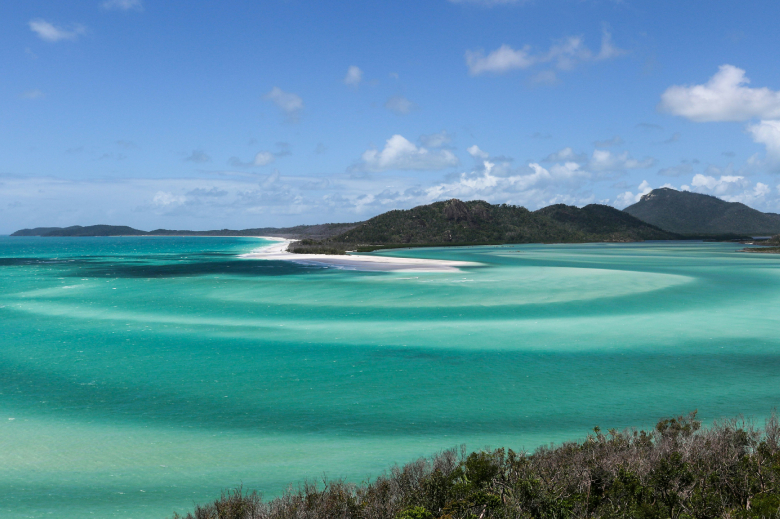
At the northern end of the beach lies Hill Inlet, a stunning cove where the tide shifts the silica sand and the water to create a brilliant, swirling fusion of turquoise, blue, and stark white. Because the tide shifts daily, the swirling pattern is never the same twice. Furthermore, Whitehaven Beach is worth knowing about because it is a highly protected national park. There are no high-rise resorts, no bustling restaurants, and no permanent structures on the beach itself. This strict environmental protection ensures that the island remains a pristine, immaculate wilderness, allowing visitors to experience the Great Barrier Reef exactly as nature intended.
Water Data: Temperature & Clarity
Situated in the Coral Sea off the coast of Queensland, the Whitsundays enjoy a tropical climate. The water here is inviting, but it comes with specific seasonal considerations unique to northern Australia.
Water Temperatures by Season
The Coral Sea offers comfortable swimming year-round, though the tropical seasons are divided more distinctly into the "Dry Season" and the "Wet Season."
- Winter (Jun - Aug): 71°F - 75°F (22°C - 24°C). Refreshing and brisk. Perfect for those who prefer comfortable, low-humidity days, though a light wetsuit might be preferred for extended snorkeling.
- Spring (Sep - Nov): 77°F - 80°F (25°C - 27°C). The absolute sweet spot. The water is delightfully warm and perfectly balances the rising air temperatures.
- Summer (Dec - Feb): 82°F - 84°F (28°C - 29°C). Bath-like and incredibly warm. This is the wet season, bringing high humidity and frequent tropical downpours.
- Fall (Mar - May): 79°F - 82°F (26°C - 28°C). Lingering summer warmth. The water is fantastic, though the weather can still be unpredictable early in the season.
Water Clarity and Stinger Season
The water clarity at Whitehaven is spectacular. The bright white silica sand acts as a massive underwater reflector, giving the shallows an almost neon-turquoise glow. Important Note on Stingers: From late October through May (the warmer months), the tropical waters of northern Queensland are home to marine stingers, including the Irukandji and Box Jellyfish. While this sounds intimidating, it is easily managed. All reputable tour operators provide lightweight, full-body Lycra "stinger suits." These suits not only protect you from jellyfish but also offer fantastic UV sun protection, allowing you to swim and float in complete comfort and safety.
Marine Life
Because Whitsunday Island sits within the Great Barrier Reef Marine Park, the surrounding waters are a sanctuary for some of the ocean's most magnificent creatures.
Sea Turtles: The shallow, seagrass-rich waters around the Whitsundays are prime feeding grounds for Green and Loggerhead sea turtles. If you are snorkeling near the fringing reefs at the southern end of the beach, or even simply wading waist-deep in the crystal-clear water, it is incredibly common to see these gentle giants glide effortlessly past you.
Lemon Sharks and Stingrays: In the incredibly shallow, warm waters of Hill Inlet, you will often spot small, yellow-tinted shadows darting across the sand. These are juvenile Lemon Sharks. They use the protected inlet as a nursery to grow before heading out to the deeper reef. They are entirely harmless and generally swim away if approached, but watching them hunt small fish in ankle-deep water is a fascinating experience.
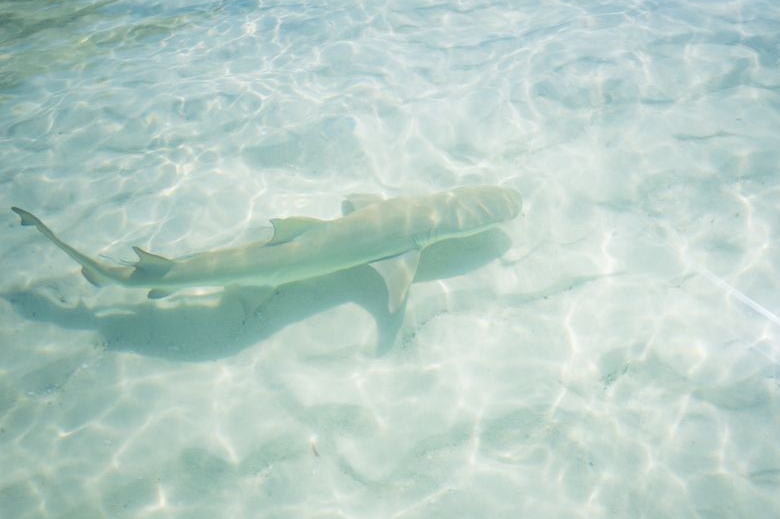
Photo Credit: Sailing Whitsundays
Tropical Reef Fish: While Whitehaven itself is mostly sandy, the nearby rocky outcrops house vibrant coral bommies. Snorkeling here will introduce you to a kaleidoscope of tropical fish, including the massive, friendly Maori Wrasse, vibrant parrotfish, and anemonefish.
Best Time to Go
Choosing the right time to visit the Whitsundays ensures the most comfortable climate and dictates what wildlife you might encounter.
- The Ultimate Sweet Spot (September to October): This is widely considered the best time to visit. The humidity is low, the skies are generally clear, and the water is warming up beautifully. Crucially, you are visiting just before the peak marine stinger season officially begins, meaning you can often swim comfortably.
- Whale Season (July to August): Winter in the Whitsundays is spectacular for wildlife lovers. Thousands of humpback whales migrate to these warm, protected waters to give birth and nurse their calves. The air is crisp and comfortable (highs in the mid-70s), making it ideal for those who prefer to avoid extreme tropical heat, even if the water is slightly cooler.
- The Wet Season (January to March): This is the least ideal time for a visit. The humidity can be oppressive, tropical cyclones are a possibility, and marine stingers are highly active. While you can often score great travel deals, the unpredictable weather makes it a gamble.
Getting There, Getting Around, & Where to Stay
Getting There
Because Whitehaven Beach is on an uninhabited island, your journey will begin at one of the region's main hubs.
- Hamilton Island Airport (HTI): This is the most convenient option. Hamilton Island is a developed resort island with its own commercial airport offering direct flights from Sydney, Melbourne, and Brisbane.
- Whitsunday Coast Airport (PPP): Located on the mainland in Proserpine, this airport services the coastal town of Airlie Beach, which acts as the primary mainland gateway to the islands.
Getting Around
Accessing Whitehaven requires a boat, seaplane, or helicopter.
- Luxury Catamarans: For the most comfortable, stable ride, book a tour on a large sailing or motorized catamaran. Their wide dual hulls minimize rocking, ensuring a smooth, relaxing journey across the passage, complete with shaded decks and onboard catering.
- Scenic Flights: For a truly unforgettable and effortless experience, book a helicopter or seaplane. You will fly over the swirling sands of Hill Inlet and the famous Heart Reef before landing directly on the water at Whitehaven Beach.
Where to Stay
- Hamilton Island: The premier choice for seamless comfort. It offers everything from high-end luxury resorts (like the world-renowned qualia) to comfortable apartments. The island is entirely car-free; guests get around using electric golf buggies, adding a quiet, relaxed charm to the stay.
- Airlie Beach (The Mainland): If you prefer to stay on the mainland, Airlie Beach offers excellent, upscale resort options with stunning marina views and easy walking access to fantastic restaurants and departure terminals.
- Hayman Island: For the ultimate in secluded luxury, the InterContinental Hayman Island Resort occupies its own private island. It is spectacular, quiet, and offers private yacht charters directly to Whitehaven.
Things To Do
A day at Whitehaven is all about effortless appreciation of the natural world, combining gentle exploration with pure relaxation.
Walk to the Hill Inlet Lookout: This is the single most important activity on the island. Tour boats typically drop passengers at Tongue Bay, where a well-maintained, gently sloping bushwalking trail leads up to the Hill Inlet Lookout. The walk takes about 15 to 20 minutes and is highly accessible, offering plenty of spots to rest. The reward at the top is the iconic, panoramic view of the swirling silica sands below.
Enjoy the Silica Sand: Once you descend to the beach, take off your shoes. The impossibly fine silica sand is so pure that it is famously used to polish jewelry. Find a quiet stretch of the four-mile beach, set up an umbrella, and simply enjoy the extraordinary contrast between the white sand and the turquoise water.
Take a Scenic Flight over Heart Reef: If there is one place in the world to splurge on a scenic flight, it is here. A helicopter or seaplane tour will take you beyond Whitehaven to the outer Great Barrier Reef to see Heart Reef—a stunning, naturally formed coral composition in the shape of a perfect heart.
Sail the Whitsunday Passage at Sunset: After a day on the beach, there is no better way to unwind than on the water. Charter a comfortable, stable catamaran for a sunset sail back to your resort. Sip a glass of Australian sparkling wine, enjoy fresh local seafood canapés, and watch the sun dip behind the islands, painting the sky and the Coral Sea in spectacular shades of gold and violet.

Photo Credit: Sailing Whitsundays