The Ultimate Guide to Spiaggia dei Conigli: Italy’s Southernmost Masterpiece
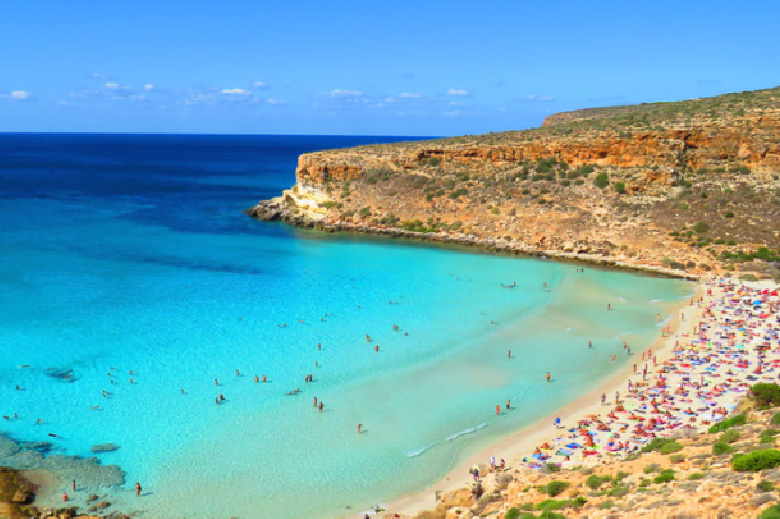
When searching for the absolute pinnacle of Mediterranean beauty, you have to look beyond the mainland. Far south of Sicily, resting closer to the coast of North Africa than to Europe, lies the sun-baked island of Lampedusa. And tucked into its rugged southern coast is Spiaggia dei Conigli—Rabbit Beach. Consistently voted the best beach in Europe and frequently ranked among the top in the world, this is a destination that delivers an almost profound sense of natural wonder. Welcome to the ultimate travel guide to Spiaggia dei Conigli. Offering a spectacular blend of protected wildlife, blindingly white sand, and water that looks like liquid glass, it is a destination that rewards a slightly slower, more deliberate pace of travel. Whether you prefer a leisurely boat tour along the limestone cliffs or a peaceful morning wading in the impossibly clear shallows, this comprehensive guide covers everything you need to know about Italy’s most pristine coastal jewel.
Why It’s Worth Knowing About
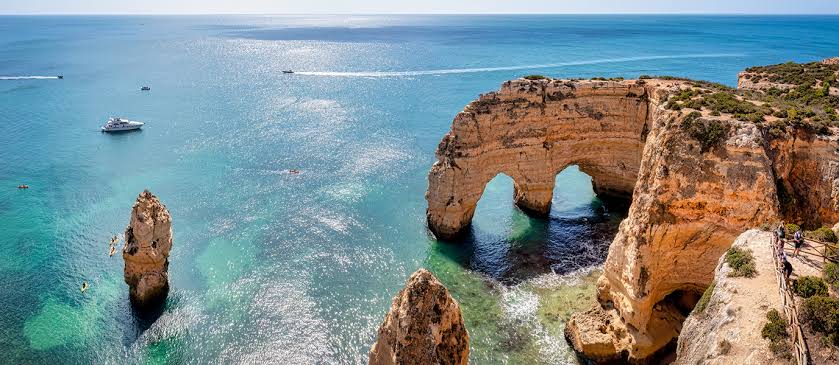
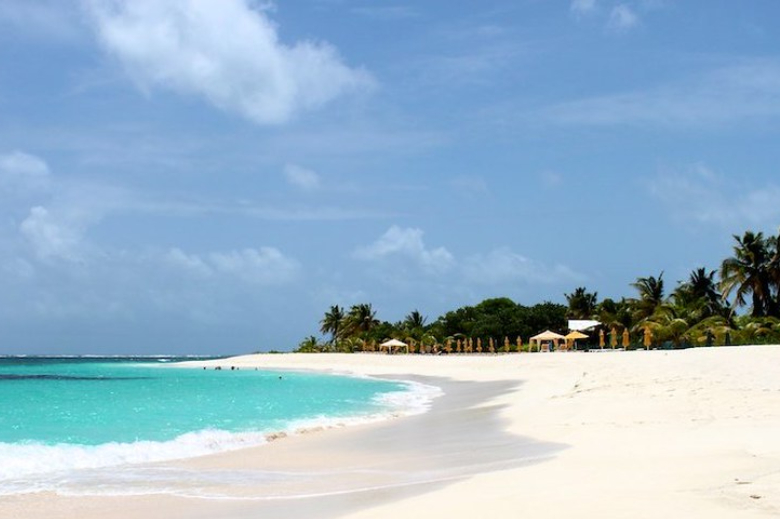
Spiaggia dei Conigli is not just a beautiful beach; it is a highly protected, pristine nature reserve. The cove is formed by a magnificent sweeping bay of soft white sand, framed by rugged, arid limestone cliffs. Just a few dozen yards offshore sits the Isola dei Conigli (Rabbit Island), a small rocky islet that completes the breathtaking panorama.
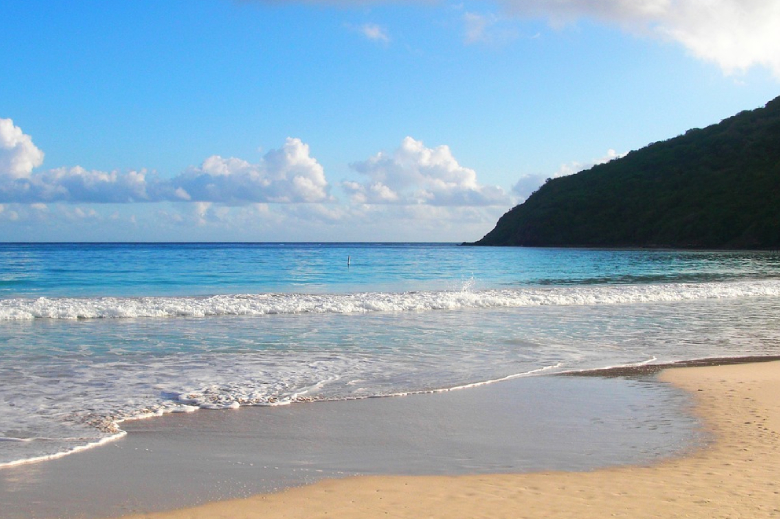
What truly sets this beach apart is the water's depth. The gradient here is incredibly gradual. You can wade out for dozens of yards before the water even reaches your waist. This makes it an exceptionally comfortable, low-impact environment for leisurely floating and walking in the sea without having to battle heavy surf or sudden drop-offs. Furthermore, the beach is zealously protected by Legambiente (an Italian environmental organization). To keep the area pristine, there are no beach clubs, no loud music, and no permanent structures on the sand. Access requires a booking system during peak months and a 15-to-20-minute walk down a paved and stepped stone path from the main road. While this descent requires decent mobility, the reward at the bottom is an atmosphere of absolute, unspoiled tranquility that is increasingly rare in modern Europe.
Water Data: Temperature & Clarity
Floating in the Pelagie archipelago in the deep Mediterranean, Lampedusa’s climate is distinctly North African. The water here is spectacular, though it follows the standard Mediterranean seasonal shifts.
Water Temperatures by Season
Thanks to its extreme southern location, Lampedusa boasts one of the longest, most comfortable swimming seasons in all of Italy.
- Winter (Dec - Feb): 59°F - 62°F (15°C - 17°C). Brisk and chilly. While the island is peaceful, it is generally too cold for casual swimming.
- Spring (Mar - May): 62°F - 68°F (17°C - 20°C). Refreshing. By late May, the shallow bay warms up significantly, making it lovely for wading and quick dips.
- Summer (Jun - Aug): 75°F - 82°F (24°C - 28°C). Flawlessly warm and bath-like. The shallow water heats up beautifully sob the summer sun, providing a perfect, relaxing soak.
- Fall (Sep - Nov): 71°F - 79°F (22°C - 26°C). September and October are absolute perfection, holding onto the peak summer warmth before finally cooling off in late November.
Water Clarity
The clarity at Rabbit Beach defies belief. Because the bay is protected and the bottom is composed of fine, heavy white sand and limestone, there is virtually no sediment suspension. The water is often described as looking like a massive, crystal-clear swimming pool. You can stand chest-deep and see the individual grains of sand and small fish darting around your feet with absolute, perfect visibility.
Marine Life
Spiaggia dei Conigli is not just a beach; it is a vital ecological sanctuary. Its protected status means marine life thrives here undisturbed.
Caretta Caretta (Loggerhead Sea Turtles): This beach is one of the few remaining sites in the Mediterranean where endangered Loggerhead sea turtles consistently return to lay their eggs. Durante the summer, volunteers from Legambiente monitor the beach overnight and rope off nesting areas to protect them from foot traffic. While you likely won't see them on the sand during the day, booking a respectful boat tour around the island frequently results in spotting them surfacing for air in the deeper waters.
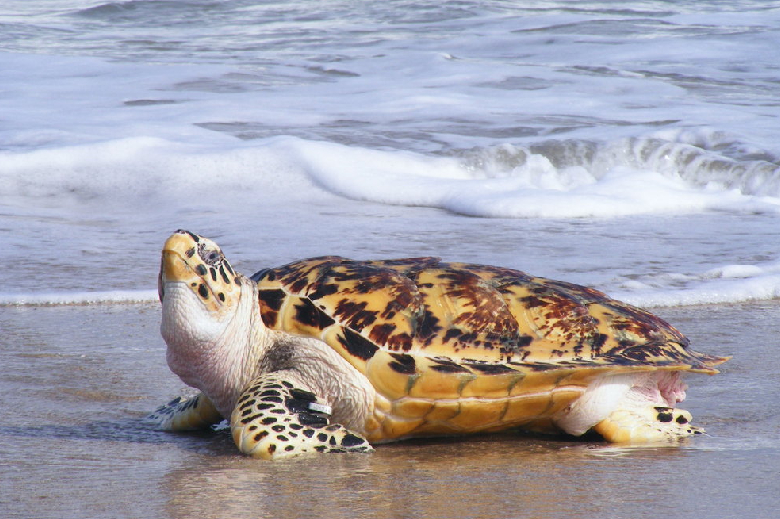
Photo Credit: Dune World
Coastal Fish and Snorkeling: Bring your snorkel. The rocky edges of the bay and the waters surrounding the Isola dei Conigli are teeming with Mediterranean marine life. You can expect to see large schools of saddled seabream, ornate wrasse, and occasionally small stingrays gliding along the sandy bottom.
Best Time to Go
Lampedusa is a small island, and choosing the right time to visit is critical for ensuring a comfortable, deeply relaxing experience.
- The Ultimate Sweet Spots (Late May to June & September to October): These shoulder months are the pinnacle of the Lampedusa experience, especially for travelers who appreciate a refined, unhurried pace. The weather is blissfully warm, the water is inviting, and you completely avoid the overwhelming throngs of peak-season tourists. The walk down to the beach is much more comfortable without the blistering mid-summer heat.
- Peak Summer (July to August): This is when Italians take their national holidays, and Lampedusa becomes incredibly crowded. The heat is intense (frequently exceeding 90°F/32°C), and access to Spiaggia dei Conigli is strictly regulated with timed entry slots that sell out well in advance. While the water is fantastic, the crowds and the heat can detract from the relaxation.
- Winter (November to April): Many of the island's boutique hotels and excellent seafood restaurants close for the season. While the stark, arid landscapes are beautiful for hiking, it is not the ideal time for a classic beach vacation.
Getting There, Getting Around, & Where to Stay
Getting There
Despite its remote location, getting to Lampedusa is surprisingly straightforward if you plan ahead.
- By Air: Lampedusa Airport (LMP) is tiny but highly functional. You can fly directly here via domestic flights from major Italian hubs like Rome, Milan, and Palermo.
- By Ferry: If you are already exploring Sicily and prefer a slower pace, you can take an overnight ferry or a faster hydrofoil from Porto Empedocle (near Agrigento, Sicily).
Getting Around
Lampedusa is only about seven miles long. While there is a local bus, having your own transport offers the freedom to explore at a comfortable pace.
- Rental Car (Mehari): The classic way to get around Lampedusa is by renting a vintage, open-air Citroën Mehari or a standard compact car. It makes getting to the beach trailheads and excellent dinner spots completely stress-free.
- Scooters: Highly popular, though a car is generally recommended for better comfort and shade during the hotter parts of the day.
Where to Stay
Lampedusa does not do massive mega-resorts; it specializes in authentic, charming Mediterranean hospitality.
- Dammusi: For a truly unique and comfortable stay, book a dammuso. These are traditional, flat-roofed stone houses originally built by the Arabs, now modernized into beautiful boutique accommodations. They remain naturally cool and are often surrounded by quiet, beautifully manicured cactus gardens.
- Lampedusa Town: Staying in or near the main town around the old port offers immediate access to the island's best seafood restaurants and cafes, making evening strolls for gelato effortless.
Things To Do
Lampedusa is a destination that encourages you to slow down. The best activities here involve effortless appreciation of the sea.
See the "Flying Boats" at Tabaccara: Just one cove over from Spiaggia dei Conigli is La Tabaccara. This bay is famous for water so flawlessly clear and still that the boats anchored there appear to be floating in mid-air, casting crisp shadows on the sea floor 20 feet below. It is an incredible optical illusion and a phenomenal spot for a swim from a boat.
The Descent to Rabbit Beach: The walk down to Spiaggia dei Conigli is part of the experience. From the parking area, a well-paved, terraced stone path winds down the cliffside, offering spectacular, panoramic views of the bay below. The walk takes about 15 to 20 minutes. Take it slow, bring plenty of water, and utilize the shaded rest stops along the way.
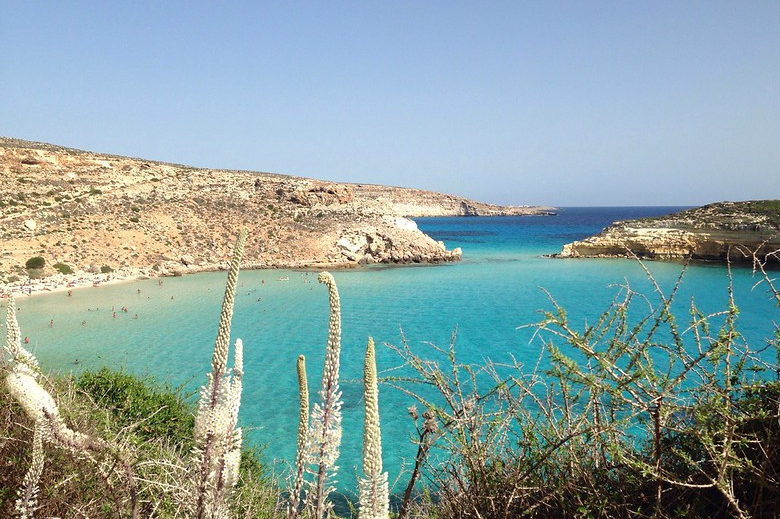
Photo Credit: Marco Molino
Charter a Boat Tour: If you prefer to skip the walk down to the beach, or simply want to see the coastline in total comfort, booking a boat tour is a must. Small, comfortable wooden boats depart from the main port daily. The captains will take you to hidden coves, serve a fantastic lunch of fresh pasta and local wine on board, and drop anchor just outside the Rabbit Beach reserve.
Dine on Sicilian-African Fusion: Because of its location, Lampedusa's cuisine is a magnificent blend of Sicilian tradition and North African influence. Enjoying a slow, refined dinner is the highlight of the evening. Look for dishes like Couscous di Pesce (fish couscous) or impeccably fresh red shrimp.
Watch the Sunset at Capo Ponente: Drive to the extreme western tip of the island, Capo Ponente, for sunset. The towering limestone cliffs drop vertically into the Mediterranean here. There is very little walking required; you can simply park, find a comfortable spot along the wall, and watch the sun melt seamlessly into the endless horizon.