
The Underwater Metropolis — How Coral Reefs Power the Planet (and How to Visit Responsibly)
When you look down at a coral reef from a snorkeling mask, you might easily mistake it for a vibrant garden of colorful rocks and flowering underwater plants.
In reality, you’re gazing at a hyper-dense, bustling metropolis built entirely by tiny, soft-bodied animals.
Coral reefs cover less than 1% of the ocean floor, yet they support more than 25% of all marine life on Earth. They are the bustling downtown districts of the seven seas, serving as nurseries, feeding grounds, and shelter for hundreds of thousands of species.
Here is what is actually going on beneath the surface of the reef, and how you can explore these fragile wonders without causing a traffic jam in nature’s most magnificent city.
Coral Biology: The World’s Most Successful Roommate Agreement
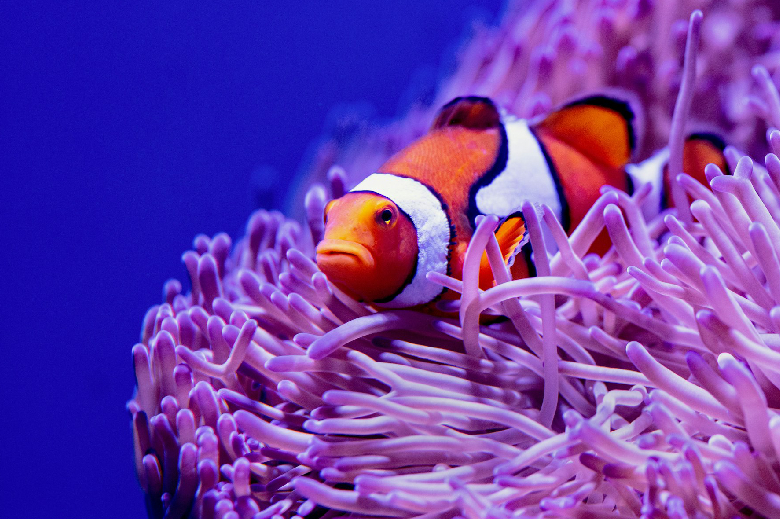
A coral reef is not a single giant organism; it is a collaborative colony made of thousands of tiny animals called polyps, which look like miniature, translucent sea anemones.
To survive, these polyps have formed nature’s most enduring symbiotic partnership:
- The Host (Coral Polyp): The soft coral polyp secretes a hard calcium carbonate (limestone) skeleton around itself for defense. This accumulated stone forms the massive reef structures we see today.
- The Tenant (Zooxanthellae): Living inside the polyp’s tissue are millions of microscopic photosynthetic algae called zooxanthellae.
- The Deal: The coral provides the algae with a safe home and raw nutrients. In exchange, the algae photosynthesize sunlight into sugars, supplying up to 90% of the coral’s daily nutrition—and providing the reef with its dazzling neon pinks, purples, and greens.
Nature’s Shock Absorbers and Medicine Cabinets
Beyond their jaw-dropping beauty, coral reefs perform massive heavy lifting for humans living on dry land:
- Coastal Defense: Coral reefs act as underwater seawalls. They absorb up to 97% of wave energy, protecting coastlines, sandy beaches, and coastal communities from destructive storm surges and hurricane waves.
- The Underwater Pharmacy: Marine organisms on the reef produce complex chemical compounds to compete for space and deter predators. Scientists have developed treatments for cancer, arthritis, asthma, and viral infections directly from coral reef biocompounds.
- Economic Lifelines: Reef-based tourism and fisheries generate billions of dollars annually for coastal communities worldwide, putting food on tables and supporting millions of local livelihoods.
What Actually Happens During "Coral Bleaching"?
You’ve likely seen heartbreaking photos of ghostly white reefs. Coral bleaching is what happens when that brilliant roommate dynamic falls apart.
When ocean water temperatures stay just 1 to 2 degrees Celsius above normal for prolonged periods:
- The Stress Response: The coral polyps get heat-stressed, and the algae inside begin producing toxic reactive oxygen molecules instead of food.
- The Eviction: In self-defense, the polyp forcibly expels the algae into the surrounding water.
- The Ghost Town: Without the colorful algae, the transparent coral tissue reveals the stark white limestone skeleton underneath.
- The Recovery Window: Bleached coral is not immediately dead—it is starving. If water temperatures cool down quickly, the coral can reabsorb algae and recover. If the heat wave lasts too long, the coral dies of starvation and is overgrown by fuzzy brown turf algae.
The Conscientious Snorkeler’s Code of Conduct
Seeing a thriving reef in person is an unforgettable travel experience. To ensure your visit leaves the ecosystem intact, follow these non-negotiable eco-rules:
- Upgrade to Mineral-Only Sunscreen: Chemical UV filters like oxybenzone and octinoxate damage coral DNA and accelerate bleaching even at infinitesimal concentrations. Look for non-nano Zinc Oxide or Titanium Dioxide formulas.
- Master Your Fins: Keep your fins flat and steady. A careless kick can instantly snap a branching coral structure that took 50 years to grow, or stir up clouds of sediment that smother polyps.
- Practice the "Look, Don’t Touch" Rule: Corals are covered in a delicate protective mucus layer. Touching them strips this barrier away, leaving the animal vulnerable to lethal bacterial infections.
- Wear a Rash Guard Instead: The easiest way to protect the reef and your skin is wearing a long-sleeved UPF sun shirt, cutting your sunscreen use in half.
When you step into the surf with a mask and snorkel, you are an invited guest in an ancient underwater civilization. Tread lightly, keep your hands to yourself, and let the reef work its timeless magic.