Decoding the Breeze — The Curious Traveler’s Guide to the Beaufort Scale
You’re standing on the deck of a ferry or walking along a coastal bluff. The breeze ruffles your hair, the surface of the bay shows a few white crests, and someone next to you says, "Looks like a solid Force 4 out there today."
Unless you grew up on a schooner, your first reaction might be: Force 4 of what? Are we being attacked by a weather wizard?
Enter the Beaufort Wind Force Scale—the oldest, most poetic, and surprisingly practical way sailors have measured wind for over two centuries. Long before digital anemometers and smartphone weather radars, mariners figured out that you don’t need high-tech sensors to understand the wind; you just need to look closely at what the water and the trees are doing.
Here is the story behind this nautical shorthand, and how you can use it on your next coastal getaway to read the weather like a 19th-century captain.
The Origin Story: Francis Beaufort’s Brilliant Observation
In 1805, Sir Francis Beaufort, an officer in the British Royal Navy, grew tired of the vague, subjective weather logs written by his fellow sailors. One captain’s "gentle breeze" was another captain's "annoying gale."
Beaufort devised a standardized scale from 0 to 12 based entirely on empirical observation:
- No Instruments Required: Instead of trying to calculate exact numerical wind speeds in miles per hour, Beaufort categorized wind by its visible effect on a full-rigged man-of-war ship and the ocean surface.
- Universal Standard: A Force 0 meant the sails hung limp like wet laundry. A Force 12 meant the ship was stripped down to bare poles, praying the mast wouldn’t snap.
- From Sea to Shore: Later adapted for land observation, the scale became the global language of meteorology, allowing anyone to assess wind conditions simply by watching chimney smoke, leaf movement, or ocean swells.
The Cheat Sheet: 0 to 12 in Plain English
Here is how the scale breaks down for the everyday beachcomber, sailor, and coastal wanderer:
| Force | Name | Wind Speed | Visual Clues (Land & Sea) | Coastal Activity Vibe |
| 0 | Calm | < 1 mph | Sea is a flat mirror; smoke rises vertically. | Glassy paddleboarding paradise. |
| 1–2 | Light Air / Light Breeze | 1–7 mph | Wind vanes twitch; ripples form without foam crests. | Gentle sailing, easy kayaking. |
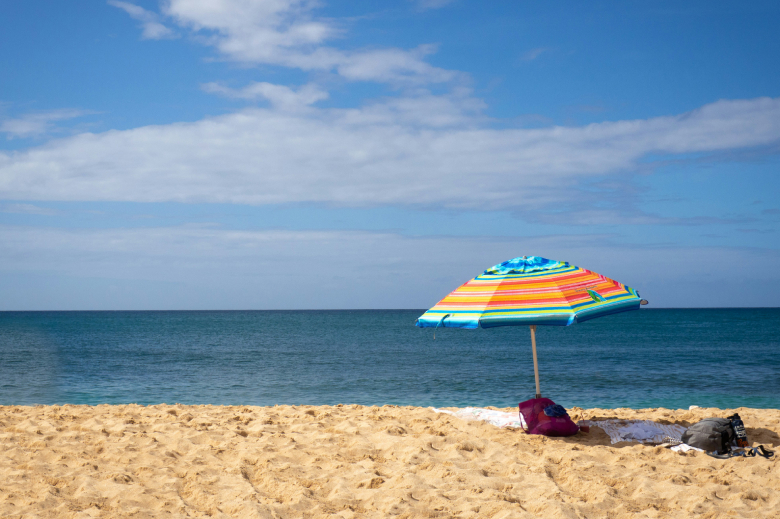
| 3 | Gentle Breeze | 8–12 mph | Leaves and twigs rustle; scattered whitecaps appear. | Perfect day for a beach umbrella. |
| 4 | Moderate Breeze | 13–18 mph | Dust raises; frequent whitecaps cover the waves. | Anchor your towel down with a cooler. |
| 5 | Fresh Breeze | 19–24 mph | Small trees sway; moderate waves with white foam. | Advanced kiteboarders rejoice; casuals pack up. |
| 6 | Strong Breeze | 25–31 mph | Large branches move; umbrellas turn inside out. | Great for watching waves from a safe pub window. |
| 7–8 | Near Gale / Gale | 32–46 mph | Whole trees sway; sea heaps up with breaking foam. | Small craft advisories; stay off the water. |
| 9–10 | Strong Gale / Storm | 47–63 mph | Slight structural damage; rolling, high waves. | Harbor lockdown; severe storm warnings. |
| 11–12 | Violent Storm / Hurricane | 64+ mph | Widespread devastation; sea completely white with spray. | Mandatory evacuation territory. |
How to Use the Scale on Your Next Trip
Knowing the Beaufort numbers turns casual people-watching into a fun tactical game:
- The "Force 3" Beach Rule: Up to Force 3 (around 10–12 mph), your standard beach umbrella will stay put if properly anchored. Once you cross into Force 4 (13+ mph), unsecured umbrellas turn into rogue beach missiles.
- Paddleboarders & Kayakers: Never launch an inflatable paddleboard in conditions exceeding Force 3. A sudden shift to Force 4 can generate enough surface chop and headwind to blow you offshore faster than you can paddle back.
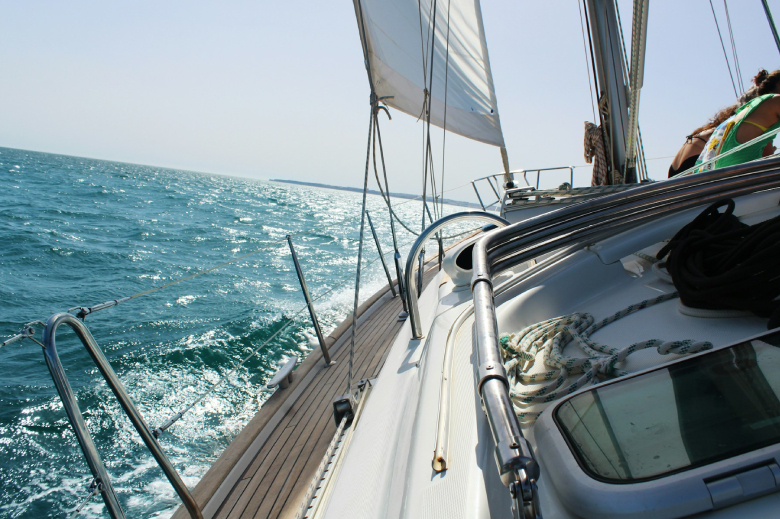
- Ferry Ride Comfort: If the forecast calls for Force 5 or higher, pack the motion-sickness tablets before stepping onto an open-water ferry crossing.
Mastering the Beaufort scale gives you an instant, intuitive feel for the elements—connecting you to centuries of maritime tradition with just a glance at the whitecaps.