The Ultimate Guide to Hanalei Bay: Kauai’s Enchanting North Shore Jewel
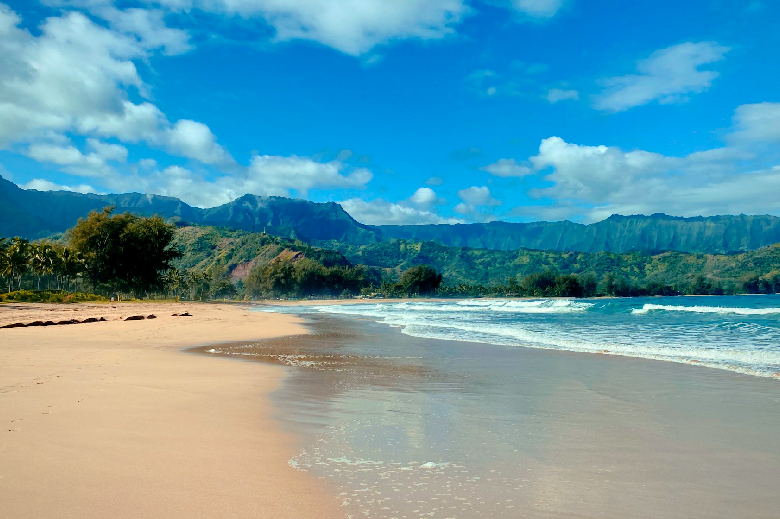
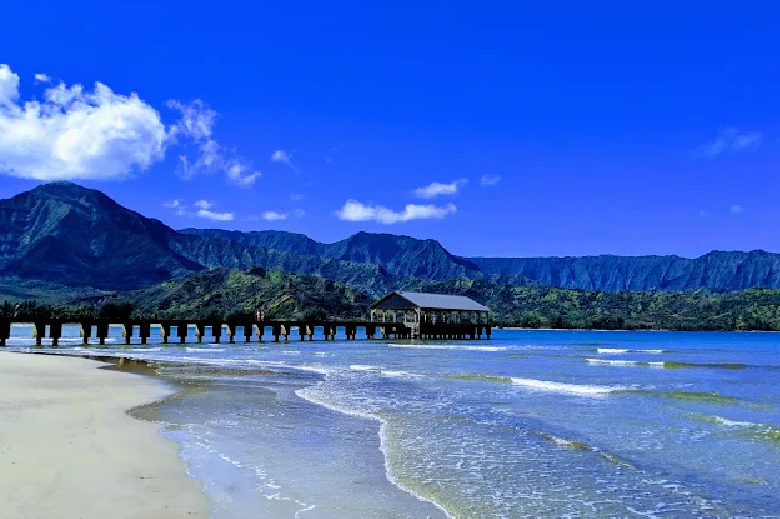
When you picture the untouched, emerald beauty of the Hawaiian Islands, your imagination is likely summoning the north shore of Kauai. And at the heart of this spectacular coastline lies Hanalei Bay. Framed by a perfect crescent of golden sand, a historic wooden pier, and towering volcanic mountains draped in waterfalls, it is frequently cited not just as the best beach in Hawaii, but one of the most magnificent bays on earth. Welcome to the ultimate travel guide to Hanalei Bay, Kauai. Whether you are looking to surf world-class winter waves, paddleboard serene summer waters, or simply watch the sun set behind the dramatic silhouette of Mount Makana (Bali Hai), this comprehensive guide covers everything you need to know about the Garden Isle's crown jewel.
Why It’s Worth Knowing About
Hanalei Bay is a masterpiece of natural geography. The bay forms a nearly perfect two-mile crescent, making it the largest bay on the island of Kauai. Its fame is largely due to its astonishing backdrop. The beach is enclosed by the majestic, jagged peaks of the Namolokama mountain range.
Because Kauai is one of the wettest spots on earth, these mountains are impossibly green. During and after a rainstorm, dozens of silvery waterfalls suddenly appear, cascading thousands of feet down the steep, emerald-velvet cliffs directly into the valley below. Beyond its scenery, Hanalei is deeply rooted in Hawaiian history and culture. The area surrounding the bay is an agricultural basin dominated by vibrant green taro patches (loʻi kalo), which have been cultivated by native Hawaiians for centuries. The town of Hanalei itself maintains a wonderfully relaxed, bohemian atmosphere. Strict building codes have kept massive high-rise resorts out, preserving a deeply authentic, laid-back surf town aesthetic.
Water Data: Temperature & Clarity
Because Hanalei Bay is located on the north-facing shore of Kauai, it is highly exposed to the open Pacific. The water conditions here change dramatically—almost violently—between the summer and winter seasons.
Water Temperatures by Season
While the ocean in Hawaii is generally warm year-round, Kauai’s northern exposure means the water at Hanalei can run a degree or two cooler than the sheltered southern beaches.
Winter (Dec - Feb): 73°F - 76°F. Cool but comfortable. Most casual swimmers will want a rash guard, and surfers typically wear spring suits for longer sessions.
Spring (Mar - May): 74°F - 77°F. Warming up beautifully. By late May, it reaches a fantastic temperature for all water activities.
Summer (Jun - Aug): 79°F - 82°F. Very warm and bath-like. It provides the perfect, relaxing temperature for extended summer snorkeling and floating.
Fall (Sep - Nov): 78°F - 82°F. September and October hold the peak summer warmth, slowly dropping into the upper 70s by late November.
Water Clarity
In the summer, the ocean at Hanalei Bay is typically flat, calm, and glassy. This allows the water to clear up beautifully, offering excellent visibility for snorkeling and swimming near the pier. In the winter, massive North Pacific swells pound the coastline. The churning surf stirs up the sandy bottom, and heavy winter rains frequently cause the Hanalei River to swell, sending brown runoff directly into the bay. During these months, the water clarity drops significantly, and swimming can become dangerous due to powerful rip currents.
Marine Life
When the waters are calm (primarily in the summer), Hanalei Bay becomes a fantastic venue for observing Hawaiian marine life in a stunning setting.
Hawaiian Green Sea Turtles (Honu): The Honu are frequent visitors to Hanalei Bay. You can often spot them popping their heads above the surface for air while you are paddleboarding. Snorkelers can frequently find them grazing on the algae-covered rocks near the ends of the bay.
Spinner Dolphins: Pods of spinner dolphins frequently use the calm, protected waters of Hanalei Bay to rest during the day after hunting offshore at night.
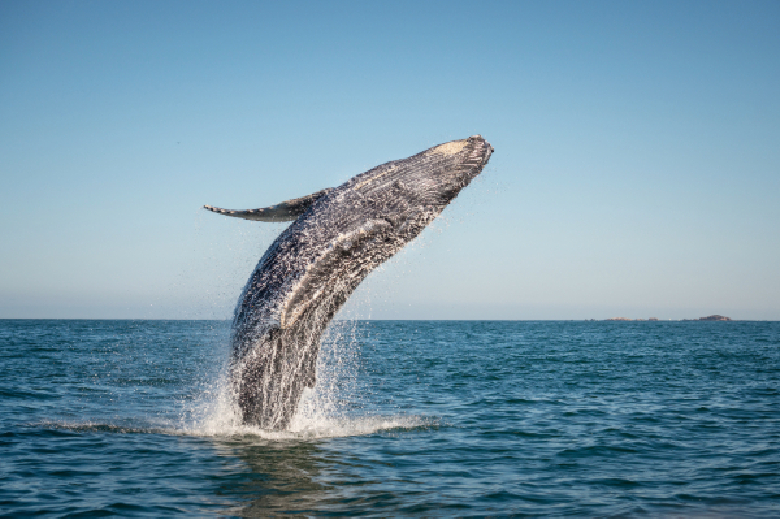
Humpback Whales (Winter Only): While you cannot swim with them, the winter months bring thousands of North Pacific humpback whales to the waters surrounding Kauai. You can sit on the sand at Hanalei Bay and frequently spot massive breaches and spouts just past the break on the horizon.
Choosing the best time to visit Hanalei Bay requires answering one crucial question: Do you want to swim, or do you want to surf?
Summer (June to August): This is the ultimate time for standard beachgoers, families, and swimmers. The North Pacific storms have died down, leaving Hanalei Bay looking like a massive, glassy lake perfect for stand-up paddleboarding and kayaking.
Winter (November to March): Hanalei transforms into a world-class surf destination. Massive ocean swells wrap into the bay, creating perfectly peeling right-hand reef breaks. It is a spectacle to watch, but the water is generally too rough for casual swimming.
The Sweet Spots (September-October & April-May): These shoulder months are fantastic. September offers the warmest water of the year and the summer calm before the winter swells arrive. April and May see the massive waves subsiding, returning the bay to a swimmable state.
Getting There, Getting Around, & Where to Stay
Getting There
You will fly into Lihue Airport (LIH), located on the eastern side of Kauai. From Lihue, Hanalei Bay is about a 45-minute to 1-hour drive north along the incredibly scenic Kuhio Highway (Route 56), eventually winding down a dramatic road into the Hanalei Valley.
Getting Around
Rental Car: A rental car is virtually mandatory on Kauai if you want to explore the island, hike the Napali Coast trails, or visit Waimea Canyon.
In Town: Once you are parked in Hanalei town, the area is highly walkable. Bicycles are also a very popular way to cruise from rental homes to the pier.
Where to Stay
Hanalei Town (Vacation Rentals): There are no large resorts directly on the sand. Instead, the area is populated by historic beach cottages and luxury vacation rental homes.
Princeville (Resorts and Condos): Located just a 10-minute drive up the bluff, Princeville is a manicured resort community offering luxury hotels and sprawling condo complexes with sweeping ocean views.
Kapaa / East Coast: Staying centrally in Kapaa offers more affordable hotels and splits your driving time in half if you plan on exploring the entire island.
Things To Do
Hanalei Bay offers an incredible mix of high-energy adventure and profound, scenic relaxation.
Jump Off the Hanalei Pier: Built in 1892, the Hanalei Pier is an iconic wooden structure that extends out into the calmest part of the bay. During the summer, it is a rite of passage for local kids and visitors alike to jump off the pier into the warm, clear water below.
Paddle the Hanalei River: Rent a kayak or a stand-up paddleboard and launch directly into the Hanalei River. You can paddle upstream into the serene, emerald-green Hanalei Valley, passing through a National Wildlife Refuge surrounded by taro fields.
Surf (or Watch): If you are an experienced surfer, winter offers some of the best point breaks in the world. If you are a beginner, the summer months offer gentle, rolling waves near the pier where local surf schools hold daily lessons.
Photo Credit: Mark Hewitt (local guide)
Explore Hanalei Town: Walk the short strip of Hanalei town. Grab a fresh bowl of poke, enjoy an authentic Hawaiian shave ice, and browse the local art galleries.
Watch the Sunset at the Pier: Because the bay faces north/northwest, it catches the spectacular colors of the fading sun. Grab a blanket, head to the beach near the pier, and watch as the sky turns vivid shades of pink and orange, casting a fiery glow over the jagged silhouette of Mount Makana.
The Ultimate Guide to Orange Beach: Alabama’s Refined Coastal Escape
When most people think of a pristine, white-sand Gulf Coast vacation, their minds immediately jump to the Florida Panhandle. But just across the state line lies one of the South's best-kept secrets. Orange Beach, Alabama, perfectly balances the spectacular natural beauty of the Gulf of Mexico with a serene, sophisticated atmosphere that caters to those who want a deeply relaxing, comfortable coastal retreat. Welcome to the ultimate travel guide to Orange Beach, Alabama. Offering an upscale, less chaotic alternative to its neighboring beach towns, this destination is a haven for magnificent seafood, world-class boating, and accessible, low-impact outdoor exploration. Whether you are looking to escape a harsh northern winter or enjoy a tranquil shoulder-season getaway, this comprehensive guide covers everything you need to know.
Why It’s Worth Knowing About
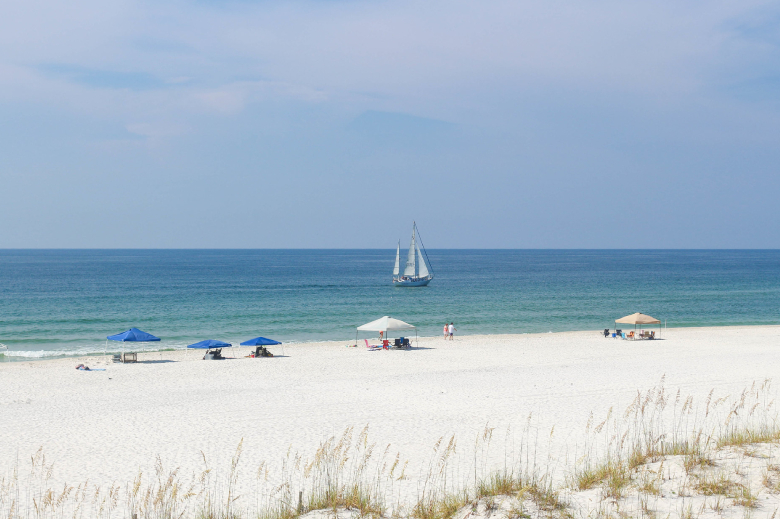
Orange Beach shares the exact same magnificent geological pedigree as famous Florida destinations like Destin and Pensacola. The stunning, blindingly white sand here is pure Appalachian quartz, washed down by ancient rivers over thousands of years.
What makes Orange Beach truly worth knowing about, however, is its distinctive culture and pace. It borders the massive Gulf State Park, ensuring that a significant portion of the coastline remains beautifully preserved and protected from overdevelopment. The town is heavily oriented around boating and marina life, particularly around Perdido Pass, where the back bays meet the Gulf of Mexico. Because of this, Orange Beach feels less like a frenetic spring break destination and more like a refined coastal community. It is heavily favored by mature travelers, "snowbirds," and families seeking a stress-free environment where comfort, excellent dining, and breathtaking sunsets take priority over late-night beach parties.
Water Data: Temperature & Clarity
Sitting squarely on the Gulf of Mexico, Orange Beach offers calm, inviting waters with very manageable surf, making it perfect for relaxed wading and swimming.
Water Temperatures by Season
The Alabama Gulf Coast experiences distinct seasons, offering a completely different beach experience depending on when you arrive.
Winter (Dec - Feb): 58°F - 64°F. Quite brisk. While the daytime air is often perfectly pleasant for walking the shore, the water is generally too cold for swimming.
Spring (Mar - May): 68°F - 76°F. Refreshing and crisp in March, warming up to an ideal, comfortable swimming temperature by early May.
Summer (Jun - Aug): 80°F - 86°F. Wonderfully warm and bath-like. It provides the perfect, relaxing soak on a hot summer afternoon.
Fall (Sep - Nov): 72°F - 82°F. September holds the summer heat perfectly. October offers a highly comfortable, refreshing sweet spot before cooling in November.
Water Clarity
On a typical day, the waters off Orange Beach are a beautiful, vibrant emerald green. Because the surf is generally gentle, there is less churning of the sandy bottom. However, clarity can fluctuate based on the tides at Perdido Pass; outgoing tides occasionally pull darker, tannin-stained water from the inland bays and rivers into the Gulf, temporarily clouding the shoreline before the incoming tide restores the classic emerald hue.
Marine Life
The intersection of the Gulf of Mexico, inland bays, and protected state parklands makes Orange Beach a thriving hub for easily observable coastal wildlife.
Bottlenose Dolphins: Orange Beach is arguably one of the best places on the Gulf Coast for dolphin watching. The inland bays and the waters just outside Perdido Pass are home to a massive population of resident bottlenose dolphins. You can frequently see them from your balcony or playfully surfing the wake of passing fishing boats.
Sea Turtles: From May through October, the dark, quiet stretches of sand become critical nesting grounds for Loggerhead and Kemp’s Ridley sea turtles. Local conservation groups rigorously patrol the beaches to mark and protect the nests.
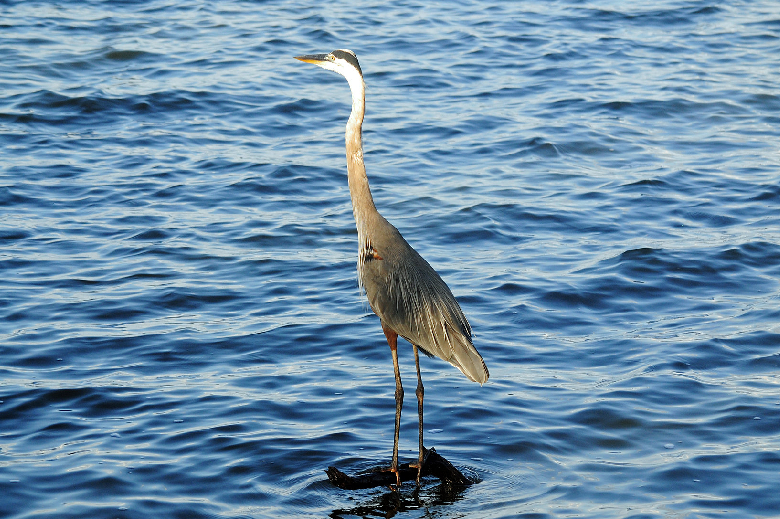
Coastal Birds and Herons: If you explore the back bays or the state park, you will be treated to a spectacular avian display. Great blue herons, snowy egrets, and massive brown pelicans frequently perch on dock pilings or elegantly stalk the shallow waters for fish.
Finding the perfect time to visit Orange Beach is all about deciding whether you want to swim in the ocean or simply enjoy the coastal atmosphere.
The Golden Shoulder Seasons (September-October & April-May): For those seeking a relaxed, comfortable pace, early fall is spectacular. The intense summer humidity drops, the water remains incredibly warm, and the peak summer crowds have entirely departed. Spring offers a similar vibe with blooming coastal flora.
Snowbird Season (January to March): Orange Beach is a legendary winter haven. Thousands of visitors from the Midwest and Northeast flock here for long-term winter rentals. The weather is mild, the golf courses are immaculate, and the town hosts fantastic seafood festivals.
Peak Summer (June to August): This is the high-energy season. The Gulf is delightfully warm and the marinas are bustling. Be prepared for premium rental rates, heavier traffic on the Beach Express, and typical, brief afternoon thunderstorms.
Getting There, Getting Around, & Where to Stay
Getting There
Pensacola International Airport (PNS): Located just 45 minutes east in Florida, this is the most convenient option, offering numerous direct flights and an incredibly easy, scenic drive over to Alabama.
Mobile Regional Airport (MOB): Located about an hour and a half to the northwest, serving as a solid alternative hub for domestic carriers.
Getting Around
A car is highly recommended for Orange Beach. The area is sprawling, and you will need a vehicle to comfortably access the grocery stores, inland marinas, and various state park trailheads. Utilizing the Foley Beach Express (a toll bridge) is a fantastic way to bypass congested highway traffic.
Where to Stay
Perdido Pass / East Beach: This is the most upscale area, offering massive, luxurious condominium towers with stunning views of the boats navigating the pass. It is quiet, exceptionally well-maintained, and perfectly suited for a relaxing stay.
The Wharf (Inland): If you prefer a marina lifestyle over sand, The Wharf is a massive entertainment and shopping district located on the Intracoastal Waterway with immediate walking access to fine dining and boutique shopping.
The Lodge at Gulf State Park: Located right on the border of Orange Beach and Gulf Shores, this incredible, eco-friendly property is situated inside the state park. It offers profound quiet, direct beach access, and miles of pristine nature.
Things To Do
Orange Beach excels at offering low-impact, high-reward activities that allow you to connect with the coastal environment without breaking a sweat.
Explore the Hugh S. Branyon Backcountry Trail: Located inside Gulf State Park, this award-winning trail system features over 28 miles of perfectly paved, wide, and flat pathways. It is completely ADA accessible and shaded by massive oak trees draped in Spanish moss. You can rent a cruiser bike or walk comfortably to spot alligators, deer, and tortoises.
Take a Sunset Dolphin Cruise: Because the local dolphin population is so robust, booking a dolphin cruise is a must. Choose a comfortable, glass-bottom catamaran or a spacious pontoon boat for a smooth, stable ride through the protected back bays.
Dine at The Wharf or Fisher's: Orange Beach takes its seafood seriously. Fisher's at Orange Beach Marina offers two distinct experiences: an elegant, upscale dining room upstairs and a relaxed, open-air dockside restaurant downstairs. Both serve flawlessly prepared, locally caught Gulf seafood.
Watch the Boats at Perdido Pass: Sometimes the best activity requires no effort at all. Head to the public parks surrounding Perdido Pass or grab a table at a waterfront restaurant like Cobalt. Watching the massive luxury yachts and sportfishing boats glide in and out of the Gulf as the sun sets is a beloved local pastime, offering the perfect, quintessential Orange Beach experience.
The Ultimate Guide to Clearwater Beach: Florida's Sun-Drenched Gulf Coast Gem
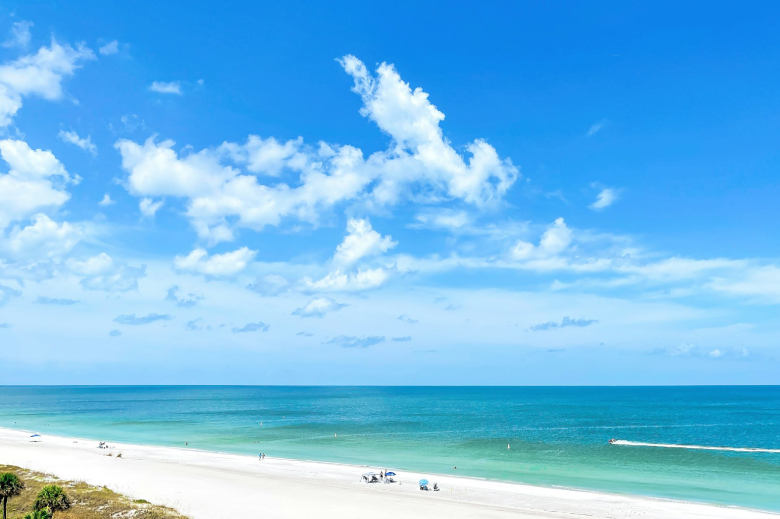
If there is a quintessential Florida beach experience that balances effortless accessibility with stunning natural beauty, it is Clearwater Beach. Located on a barrier island along the Pinellas County coast, this expansive stretch of shoreline consistently ranks among the top beaches in the United States. With its sugar-white sand, emerald-green waters, and a beautifully paved Beach Walk that makes strolling a breeze, it is a destination that seamlessly caters to those who want both relaxation and refined coastal comfort. Welcome to the ultimate travel guide to Clearwater Beach, Florida. Whether you are looking to enjoy a spectacular Gulf of Mexico sunset from Pier 60, dine on incredibly fresh grouper, or simply float in the tranquil, warm waters, this comprehensive guide covers everything you need to plan a flawless and rejuvenating escape.
Why It’s Worth Knowing About
Clearwater Beach’s reputation as a world-class destination is well-earned. Like its Gulf Coast neighbors to the south, the secret to its fame is the sand. The expansive shoreline is blanketed in powdery, bright white quartz sand that is incredibly soft and remains cool to the touch even under the intense Florida sun.
But what truly sets Clearwater Beach apart is its layout and infrastructure. It is designed to be highly accessible and pedestrian-friendly. The famous Beach Walk—a winding, beautifully landscaped promenade—runs parallel to the ocean, offering a flat, smooth surface for walking or biking without having to navigate deep sand. This makes Clearwater exceptionally appealing for mature travelers or anyone who prefers a comfortable, low-impact beach day. You will find ample benches, easy access points to the sand (including beach wheelchairs available for use), and a wonderful balance of quiet, residential stretches and lively dining hubs. It provides all the vibrancy of a premier Florida resort town without the exhausting logistics.
Water Data: Temperature & Clarity
Because it is situated on the Gulf of Mexico, the waters off Clearwater Beach are famously calm and shallow, with a gently sloping sandy bottom that makes wading effortless and safe.
Water Temperatures by Season
The Gulf waters here experience distinct seasonal shifts, offering something for every type of beachgoer. Here is a breakdown of what to expect:
Winter (Dec - Feb): 63°F - 65°F. Brisk and chilly. Ideal for walking the shoreline, but generally too cold for casual swimming unless you are escaping northern snow.
Spring (Mar - May): 73°F - 78°F. Refreshing and perfectly comfortable. By late April and May, the water hits a fantastic sweet spot for long swims.
Summer (Jun - Aug): 84°F - 87°F. Incredibly warm and bath-like. It feels like a massive heated pool, perfect for floating for hours.
Fall (Sep - Nov): 76°F - 84°F. September holds onto the summer heat, while October and November drop into a highly refreshing, pleasant zone.
Water Clarity
The water clarity is generally superb, taking on a striking, emerald-green to light turquoise hue. Because the Gulf is naturally calmer than the Atlantic coast, the sand rarely gets churned up by heavy surf. The best clarity is typically found in the early mornings or on days with light, offshore breezes.
Marine Life
Clearwater’s calm Gulf waters and nearby intracoastal waterways are teeming with coastal wildlife, offering fantastic opportunities for nature lovers.
Bottlenose Dolphins: Clearwater is famous for its dolphin population. These highly intelligent mammals are a daily sight just offshore. You can often spot them from the beach or the pier, playfully riding the wakes of passing boats.
Manatees: The gentle West Indian manatee is a frequent visitor to the warmer, shallow waters of the bay and the intracoastal, especially during the cooler winter months when they seek refuge from dropping Gulf temperatures.
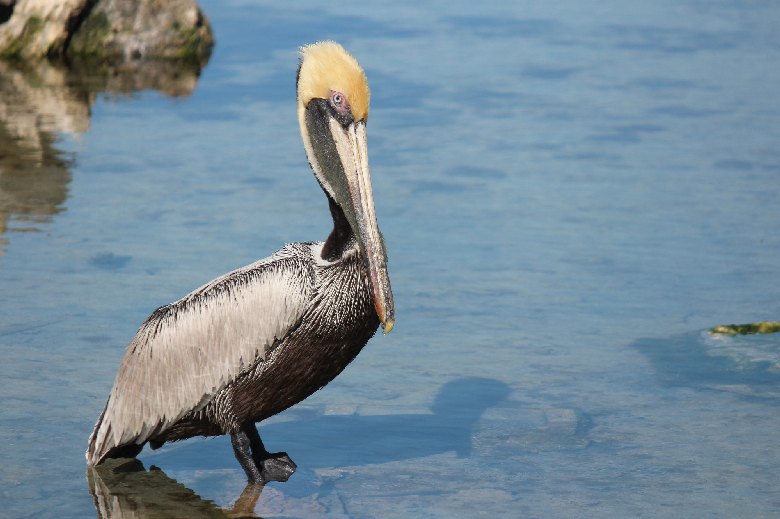
Seabirds and Pelicans: The shoreline and Pier 60 are bustling habitats for coastal birds. You will see squadrons of brown pelicans dive-bombing into the water for fish, elegant snowy egrets stalking the shallows, and laughing gulls coasting on the sea breeze.
Clearwater Beach caters to a variety of seasonal preferences, but timing your visit can help you maximize comfort and avoid peak crowds.
The Ultimate Sweet Spots (October to November & April to May): These shoulder seasons are widely considered the best times to visit, especially for travelers who prefer a refined, relaxed pace. The oppressive summer humidity has broken, the water is wonderfully swimmable, and you avoid the massive family influx of July.
Snowbird Season (January to March): If you are fleeing a harsh northern winter, Clearwater is a sunny paradise. While the Gulf water is a bit brisk for swimming, the daytime air temperatures (typically in the 70s) are absolutely perfect for dining al fresco and walking the Beach Walk.
Peak Summer (June to August): Summer brings the warmest waters and a lively, energetic atmosphere. Be prepared for afternoon thunderstorms, high humidity, and premium accommodation pricing.
Getting There, Getting Around, & Where to Stay
Getting There
Clearwater Beach is highly accessible via two major airports:
Tampa International Airport (TPA): Located about 30 to 40 minutes east, this world-class airport offers a massive array of direct domestic and international flights.
St. Pete-Clearwater International Airport (PIE): Located just 20 minutes away, this smaller airport is highly convenient and serviced heavily by budget airlines.
Getting Around
You do not need to rent a car to enjoy Clearwater Beach, which is a massive bonus for a stress-free vacation.
The Jolley Trolley: A charming, open-air trolley system that runs the entire length of the beach and connects to neighboring coastal towns. It is incredibly affordable, ADA accessible, and saves you the hassle of finding beach parking.
Walking: Thanks to the paved Beach Walk, getting from your resort to the restaurants and the pier is wonderfully easy on the feet.
Where to Stay
North Beach: This area (north of the roundabout) is quieter and more residential. Perfect if you want to be slightly removed from the bustle but within an easy walk of excellent restaurants.
South Gulfview: The heart of the action, home to large, luxurious resorts with spectacular Gulf views, easy access to the Beach Walk, and dozens of dining options right outside your door.
Sand Key: Located just a short bridge ride south of Clearwater Beach, Sand Key offers a profoundly peaceful, secluded resort experience with wide, quiet beaches perfect for shell hunting.
Things To Do
Whether you want to be out on the water or simply enjoying a world-class meal with a view, Clearwater Beach offers a perfect balance of leisure and entertainment.
Stroll the Beach Walk: Start your morning with a leisurely walk down this winding, palm-lined promenade. It offers spectacular, unobstructed views of the Gulf, plenty of shaded benches, and immediate access to the sand without the strain of walking in deep sand.
Visit the Clearwater Marine Aquarium: A working marine rescue, rehabilitation, and release facility. It is an inspiring, educational, and highly accessible facility to spend a few hours out of the sun learning about sea turtles, otters, and dolphins.
Charter a Sunset Sail or Dolphin Cruise: Head to the Clearwater Marina and book a relaxing boat tour. Watching dolphins play in the wake of your boat as you cruise the calm waters of the Gulf is an absolute must-do.
Dine on Fresh Florida Grouper: The Gulf Coast is famous for its grouper, and Clearwater Beach restaurants serve it exceptionally well. From fine-dining establishments with panoramic views to casual, toes-in-the-sand beachfront cafes, enjoying a fresh grouper sandwich is a culinary requirement.
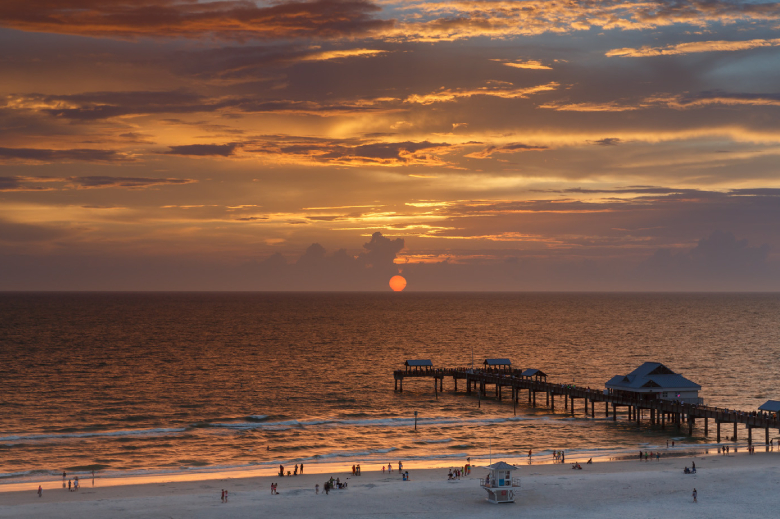
Celebrate Sunsets at Pier 60: As evening approaches, the center of the beach comes alive. The daily "Sunsets at Pier 60" festival features local artisans, crafters, and street performers. Take a leisurely stroll down the 1,080-foot fishing pier, listen to live music, and watch the sun melt spectacularly into the Gulf of Mexico.
The Ultimate Guide to Trunk Bay: St. John’s National Park Paradise
When it comes to the Caribbean, finding a beach that strikes a perfect balance between profound natural beauty and exceptional preservation is rare. However, Trunk Bay on the island of St. John in the U.S. Virgin Islands achieves exactly that. Frequently cited as one of the most photographed beaches in the world, this breathtaking crescent of sand is the undisputed crown jewel of the Virgin Islands National Park.
Welcome to the ultimate travel guide to Trunk Bay. Whether you want to "hike" one of the world's only underwater snorkeling trails, explore historic sugar mill ruins, or simply relax in the shade of a seagrape tree on pristine, federally protected sands, this comprehensive guide covers everything you need to curate an unforgettable USVI escape.
Why It’s Worth Knowing About
Trunk Bay’s global fame is deeply tied to its protected status. Unlike many Caribbean destinations that suffer from overdevelopment, roughly 60% of the island of St. John—including Trunk Bay—is protected as part of the Virgin Islands National Park.
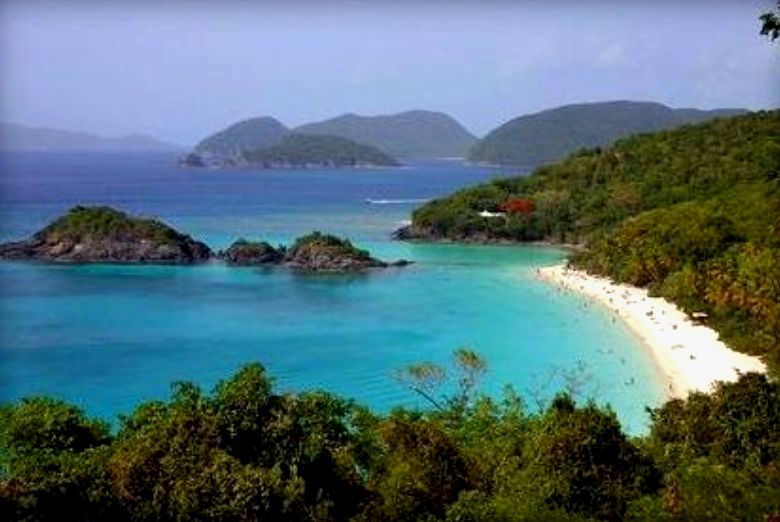
Photographer: Colin Lloyd (Unsplash)
Because it is managed by the National Park Service, Trunk Bay is spectacularly clean and undeveloped. You will not find towering mega-resorts, noisy jet ski rentals, or concrete boardwalks crowding the sand. Instead, the beach is lined with lush, vibrant green hills, native seagrape trees, and a small, eco-friendly pavilion offering essential amenities like a snack shack, showers, and gear rentals.
The visual anchor of the beach is Trunk Cay, a small, rocky islet rising out of the water just off the shoreline. This cay not only provides a stunning backdrop for photography but also protects the bay from heavy surf, ensuring the water remains a calm, mesmerizing shade of turquoise.
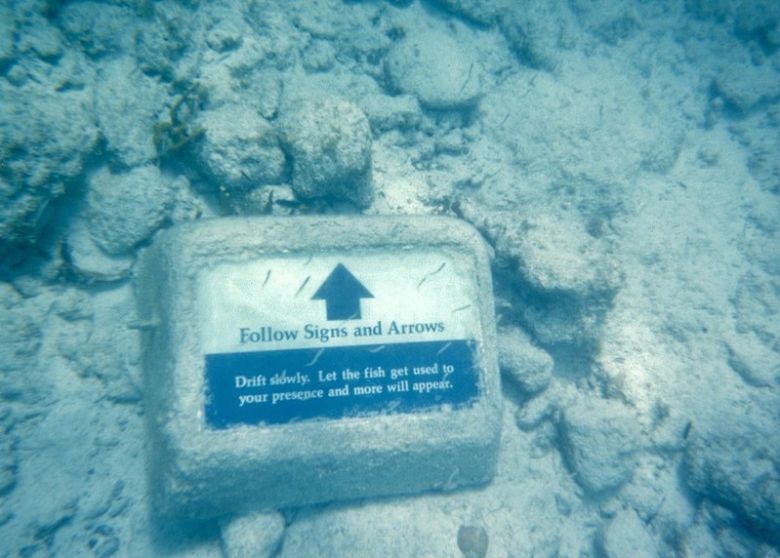
Most uniquely, Trunk Bay is famous for its Underwater Snorkeling Trail. It is one of the very first of its kind in the Caribbean, featuring submerged plaques that guide snorkelers through the fragile coral reef, transforming a simple beach day into a highly educational, immersive marine experience.
Water Data: Temperature & Clarity
Floating in the warm, tropical waters of the Caribbean Sea, the ocean conditions at Trunk Bay are famously inviting and incredibly safe for swimmers of all experience levels.
Water Temperatures by Season
The U.S. Virgin Islands enjoy a phenomenally consistent tropical climate, meaning the water feels fantastic all year long.
Season
Avg. Water Temp
How it Feels
Winter (Dec - Feb)
78°F - 80°F
Flawlessly comfortable. It offers a spectacular, refreshing escape for those fleeing freezing northern temperatures.
Spring (Mar - May)
79°F - 82°F
Warming up beautifully. By late April, the ocean reaches an absolutely perfect temperature for prolonged swimming and snorkeling.
Summer (Jun - Aug)
82°F - 84°F
Bath-like and intensely warm. It feels like a massive heated pool, providing the ultimate relaxing soak on a hot tropical day.
Fall (Sep - Nov)
81°F - 83°F
Retains the peak summer heat. The water is fantastic, though this season aligns with the height of the Atlantic hurricane season.
Water Clarity
Because it is a protected bay within a national park, the water clarity at Trunk Bay is exceptional. There is virtually no commercial boat traffic allowed near the swimming areas, and the presence of Trunk Cay helps block incoming waves that would normally churn up the sand. The result is crystal-clear visibility that makes navigating the underwater snorkeling trail effortless, allowing you to see the vibrant reef ecosystem clearly without having to dive deep.
Marine Life
The protected waters of Trunk Bay are a thriving sanctuary for marine biodiversity. The reef ecosystem here is closely monitored to ensure the delicate corals and local inhabitants remain healthy.
Tropical Reef Fish
As you explore the waters around Trunk Cay, you will be surrounded by a kaleidoscope of tropical fish. It is incredibly common to swim through massive schools of yellow-and-black sergeant majors and brilliant blue tangs. Keep an eye out for colorful parrotfish grazing on the coral and the occasional trumpetfish hovering vertically in the water column.
Corals and Sea Fans
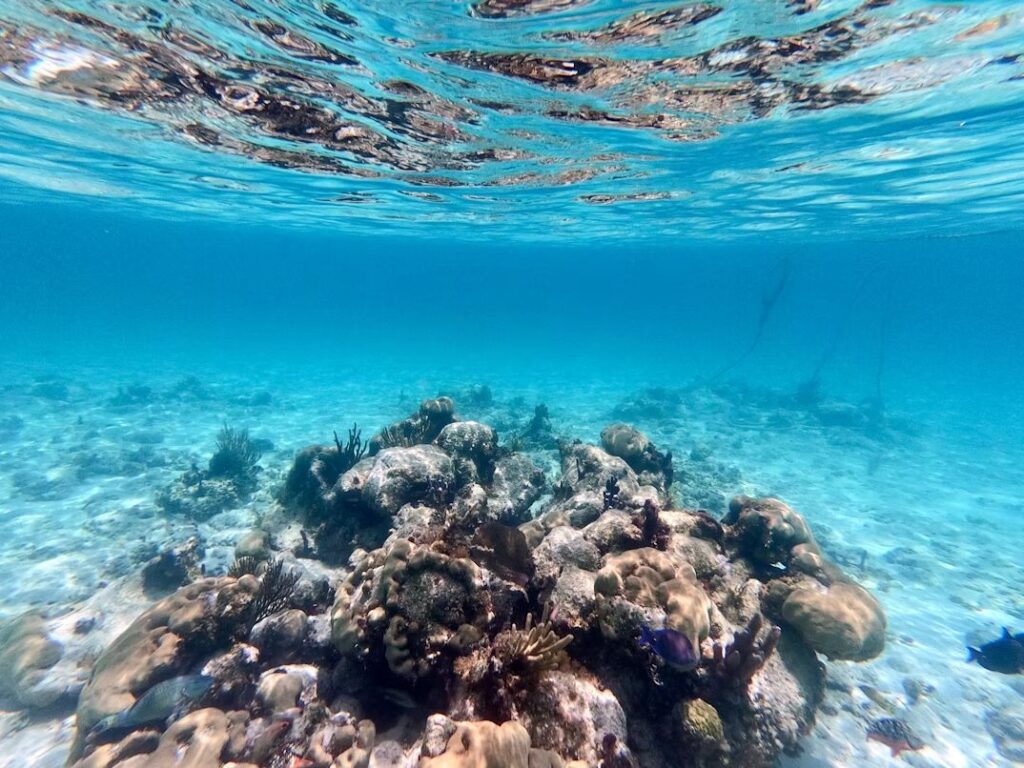
The snorkeling trail highlights the architectural wonders of the reef itself. You will encounter large, distinctively grooved brain coral, branching elkhorn coral, and vibrant purple sea fans swaying gently in the underwater current.
Sea Turtles and Rays
If you swim toward the quieter, western edge of the bay or venture slightly past the main snorkeling trail, you stand a fantastic chance of encountering larger wildlife. Green and hawksbill sea turtles frequently glide through the clear waters, and it is very common to spot southern stingrays resting perfectly camouflaged on the sandy bottom.
Best Time to Go
Choosing the right time to visit St. John requires balancing your desire for perfect weather with your tolerance for crowds and peak pricing.
The Peak Season (December to April): This is the most popular time to visit the USVI. The weather is spectacular—offering endless blue skies, lower humidity, and highly comfortable daytime temperatures in the low 80s. However, because Trunk Bay is the most famous beach on the island, the limited parking lot fills up quickly, and the sand can get quite crowded with day-trippers and cruise ship passengers.
The Shoulder Season Sweet Spot (May to June): This is arguably the best time to visit. The heavy winter crowds have departed, but the intense threat of late-summer hurricanes has not yet arrived. The water is gorgeously warm, the island feels much more relaxed, and you have a much better chance of securing a shady spot under the seagrape trees.
Hurricane Season (August to November): This is the quietest and cheapest time to visit, but it comes with a significant weather risk. While the beaches are wonderfully empty and the ocean is at its warmest, you must be prepared for the possibility of tropical storms and the reality that some local restaurants and shops may close for the season.
Getting There, Getting Around, & Where to Stay
Getting There
Reaching St. John is part of the adventure, as the island famously does not have its own commercial airport.
Fly to St. Thomas: You will fly into Cyril E. King Airport (STT) on the neighboring island of St. Thomas.
Take the Ferry: From the airport, take a taxi to either the Crown Bay Marina or the Red Hook ferry terminal. The scenic passenger ferry from Red Hook takes roughly 20 minutes to reach Cruz Bay, the main hub of St. John.
Getting Around
Open-Air Safari Taxis: The most iconic and stress-free way to get to Trunk Bay is by taking a shared, open-air "safari" truck taxi from Cruz Bay. The ride takes about 12 minutes along the incredibly scenic North Shore Road (Route 20).
Renting a Jeep: If you want to explore the island's more remote national park trails, renting a Jeep is highly recommended. Note: You drive on the LEFT side of the road in the USVI, and parking at Trunk Bay is extremely limited, so arrive before 9:30 AM!
Where to Stay
Cruz Bay: The vibrant heart of the island. Staying in a boutique hotel or villa near Cruz Bay puts you within walking distance of the ferry, fantastic restaurants, and shopping at Mongoose Junction.
Coral Bay: Located on the quieter, eastern side of the island, this area is highly residential, deeply relaxed, and preferred by travelers looking to completely disconnect from the tourist bustle.
Luxury Resorts & Villas: While the national park prevents resorts from being built directly on Trunk Bay, properties like The Westin St. John Resort Villas offer spectacular luxury and easy taxi access to the North Shore beaches.
Things To Do
A day at Trunk Bay is a masterclass in Caribbean relaxation and accessible outdoor adventure.
"Hike" the Underwater Snorkeling Trail
This is the absolute must-do activity at Trunk Bay. Put on your mask and fins and follow the 650-foot marked trail that loops around Trunk Cay. Submerged plaques placed on the ocean floor identify the different types of coral and marine life you are looking at. It is a brilliant, self-guided experience that is incredibly safe and beginner-friendly. Tip: Only use reef-safe sunscreen, which is strictly mandated by law in the USVI to protect the delicate corals!
Photographer: Jasperdo on Flickr
Hike Peace Hill
If you want a quick break from the sand and the ultimate photo opportunity, head to Peace Hill, located just a short distance down North Shore Road. A brief, easy walking trail leads to the ruins of an old sugar mill windmill. The elevation provides a staggering, panoramic, birds-eye view of Trunk Bay’s perfect crescent shape.
Relax with National Park Amenities
Unlike remote, rugged beaches where you must pack everything in yourself, Trunk Bay is highly accommodating. You can rent high-quality snorkel gear and beach chairs directly on the sand. There is a small snack shack serving cold drinks and beach fare, as well as excellent shower and restroom facilities maintained by the park service.(Note: There is a $5 day-use fee to access the beach).
Dine and Shop in Cruz Bay
After a long day in the sun and salt water, hop a safari taxi back to Cruz Bay.
Head to Mongoose Junction to browse the local artisan boutiques. For dinner, enjoy incredibly fresh seafood or grab a pint of locally crafted beer at St. John Brewers' The Tap Room, capping off the perfect island day as the sun sets over the harbor.
The Ultimate Guide to Grace Bay: The Caribbean’s Flawless Masterpiece
If you were to design the perfect beach in a laboratory, the result would likely look exactly like Grace Bay. Situated on the north shore of Providenciales in the Turks and Caicos Islands, this world-renowned stretch of coastline consistently battles for the title of "Best Beach in the World" across every major travel publication. With its blindingly white sand, water so vibrantly turquoise it almost defies belief, and an atmosphere of refined, barefoot luxury, it is the ultimate Caribbean dream realized.
Welcome to the ultimate travel guide to Grace Bay Beach. Whether you are looking to snorkel vibrant coral reefs, dine on incredibly fresh conch, or simply float in the most inviting waters on earth, this comprehensive guide covers everything you need to curate an unforgettable island escape.
Why It’s Worth Knowing About
Grace Bay’s global fame is rooted in a spectacular natural phenomenon: the Princess Alexandra National Park and its protecting barrier reef.
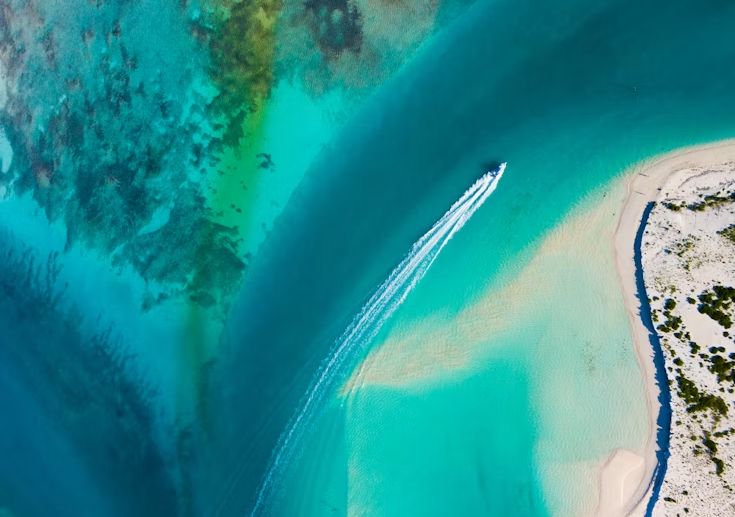
Located roughly a mile offshore, a massive, thriving barrier reef takes the brunt of the Atlantic ocean swells. By the time the water reaches the three-mile stretch of Grace Bay, it is utterly pacified. This creates a massive, waveless lagoon that laps gently against the shore.
The sand itself is another marvel. Unlike beaches composed of crushed rock or shells, the sand at Grace Bay is incredibly fine, brilliant white, and wonderfully soft. Because it is highly reflective and retains very little heat, it remains cool to the touch even under the blistering midday Caribbean sun.
Beyond its geography, Grace Bay is worth knowing about because it has mastered the art of upscale, low-density tourism. Unlike other famous Caribbean destinations plagued by towering mega-resorts and aggressive beach vendors, Grace Bay is defined by low-slung, elegant luxury properties. Motorized water sports are heavily restricted within the national park, ensuring that the soundtrack to your vacation is the gentle lapping of waves rather than the roar of jet skis.
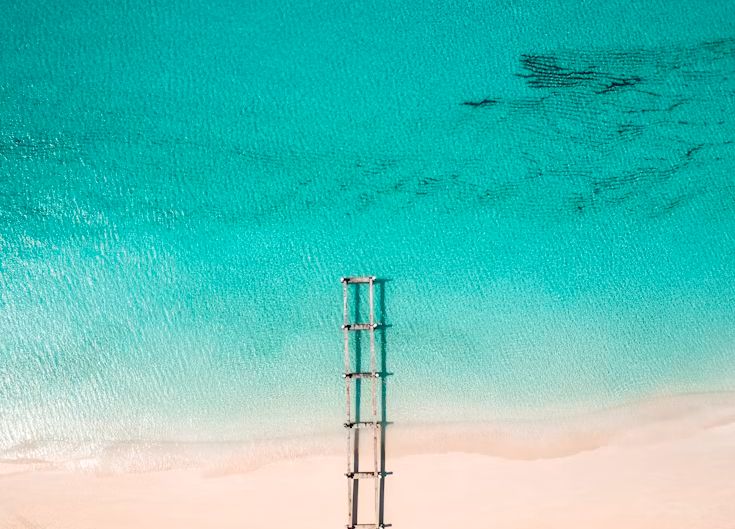
Turks and Caicos Islands - Photographer Romello Williams on Unsplash (@romello)
Water Data: Temperature & Clarity
Floating just north of the Dominican Republic, the Turks and Caicos Islands enjoy a phenomenal tropical marine climate. The water conditions at Grace Bay are arguably its greatest asset.
Water Temperatures by Season
The ocean here remains wonderfully inviting year-round. It is essentially a massive, saltwater swimming pool.
Season
Avg. Water Temp
How it Feels
Winter (Dec - Feb)
77°F - 79°F
Mild and incredibly refreshing. It provides a flawless, comfortable escape for those fleeing freezing northern temperatures.
Spring (Mar - May)
79°F - 82°F
Warming up beautifully. By late April, the ocean reaches an absolutely perfect temperature for prolonged swimming and snorkeling.
Summer (Jun - Aug)
82°F - 84°F
Bath-like and intensely warm. It feels like a heated pool, providing the ultimate relaxing soak on a hot tropical day.
Fall (Sep - Nov)
80°F - 83°F
September holds the peak summer heat. By November, the water drops back to a highly comfortable, refreshing sweet spot.
Water Clarity
The clarity of the water at Grace Bay is legendary, often exceeding 100 feet of visibility. Because the barrier reef breaks the surf a mile offshore, there is virtually no wave action to churn up the fine white sand along the beach. Furthermore, Turks and Caicos has no rivers or streams to dump runoff or sediment into the ocean. The result is "gin-clear," neon-turquoise water that allows you to stand chest-deep and see your toes perfectly.
Marine Life
Because Grace Bay is part of the protected Princess Alexandra National Park, the waters are a bustling sanctuary for marine life.
JoJo the Dolphin
Grace Bay’s most famous resident is not a celebrity, but a wild Atlantic bottlenose dolphin named JoJo. Declared a National Treasure by the Turks and Caicos government, JoJo has been voluntarily interacting with snorkelers, paddleboarders, and boats in Grace Bay since the 1980s. While you should never touch or harass him, it is not uncommon for him to playfully surf the wake of your catamaran.
Sea Turtles
The warm, clear shallows around the island are frequent grazing grounds for Green and Hawksbill sea turtles. If you snorkel near the coral heads, particularly near the Bight Reef, you are highly likely to swim alongside these gentle, graceful creatures as they munch on seagrass.
The Bight Reef (Coral Gardens)
Located at the western edge of Grace Bay, this easily accessible fringing reef begins just steps from the sand. Snorkelers can simply wade in and immediately find themselves surrounded by a kaleidoscope of tropical life, including vibrant parrotfish, yellowtail snappers, blue tangs, and occasionally a spotted eagle ray gliding over the sandy bottom.
Best Time to Go
Choosing the right time to visit Providenciales requires balancing perfect weather with the realities of the Atlantic hurricane season and peak pricing.
The Golden Window (December to April): This is the undisputed high season for Turks and Caicos. The weather is spectacular—endless blue skies, low humidity, and daytime highs resting comfortably in the low 80s. It is the absolute best time for guaranteed sunshine and a flawlessly comfortable climate. However, you must book well in advance, as hotels sell out quickly and command premium rates.
The Spring Sweet Spot (May): May is arguably the best time to visit. The winter "snowbird" crowds have thinned out, the ocean has warmed up significantly, and the heavy summer humidity has yet to arrive. You can often find fantastic shoulder-season rates at luxury resorts.
Summer and Fall (June to November): This period aligns with the Atlantic hurricane season. Late August through October is the quietest time on the island; it is extremely hot and humid, and several restaurants may close for annual renovations. However, if you are willing to risk the weather, the ocean is at its warmest and the beaches are delightfully empty.
Getting There, Getting Around, & Where to Stay
Getting There
Traveling to Grace Bay is incredibly seamless, particularly from North America.
The Flight: You will fly into Providenciales International Airport (PLS). Major airlines offer direct flights from cities like New York, Miami, Atlanta, Charlotte, and Toronto.
The Transfer: From the airport, Grace Bay is a remarkably short, 15-minute drive. You can step off your plane and be in the turquoise water in under an hour.
Getting Around
There is no public transportation on Providenciales, so you will need to rely on taxis or your own vehicle.
Taxis: Taxis are readily available at the airport and all major resorts. They are unmetered and charge per person based on zones, which can get expensive if you plan on leaving your resort frequently.
Rental Cars: Renting a car is highly recommended if you want to explore different beaches, like Taylor Bay or Sapodilla Bay, or visit various restaurants. Note: Driving in Turks and Caicos is on the left side of the road.
Where to Stay
Grace Bay is famous for its world-class, luxury accommodations.
Grace Bay Club: One of the original and most iconic properties on the beach. It offers unparalleled luxury, an incredible adults-only section, world-class dining, and an exceptional infinity bar that stretches right to the sand.
Seven Stars Resort & Spa: Located right in the center of Grace Bay, this highly elegant property offers massive, beautifully appointed suites, an incredible saltwater pool, and immediate walking access to nearby shopping plazas.
The Somerset on Grace Bay: Perfect for families or groups seeking refined comfort, offering massive estate-style villas, a stunning croquet lawn, and a reverse-current lap pool leading down to the pristine beach.
Things To Do
A trip to Grace Bay is about embracing a sophisticated, unhurried pace. Your itinerary should prioritize culinary indulgence, easy exploration, and long hours by the water.
Snorkel the Bight Reef
Also known as Coral Gardens, this is the most popular snorkeling spot on the island. Walk to the western end of Grace Bay, put on your mask, and swim around the clearly marked, roped-off coral heads. It is incredibly safe, shallow, and visually rewarding—perfect for beginners and experienced snorkelers alike.
Turks and Caicos Islands - Photographer Marc Snailum on Unsplash (@snailumm)
Experience the Thursday Fish Fry
If you are on the island on a Thursday evening, you must attend the weekly Fish Fry at the Bight Park. Dozens of local vendors set up tents serving fresh local food, while a live Junkanoo band parades through the crowd. It is a vibrant, cultural, and incredibly fun way to spend the evening.
Take a Sunset Catamaran Cruise
To truly appreciate the beauty of the island, you need to see it from the water. Book an evening sail on a luxury catamaran. The boats typically cruise along the barrier reef, offering complimentary rum punches and fresh conch ceviche as you watch the sun melt into the Caribbean Sea.
Walk the Three-Mile Stretch
Because the sand is incredibly powdery and the beach is so wide, Grace Bay is arguably one of the best walking beaches in the world. Wake up early, leave your shoes in your room, and enjoy a low-impact stroll as the morning sun illuminates the vibrant turquoise water.
Dine on Fresh Conch
Turks and Caicos is famous for its conch (a large sea snail with a beautiful shell). It is the national dish and served in almost every restaurant. Head to Da Conch Shack (a short drive from Grace Bay) for a casual, toes-in-the-sand meal where you can watch the fishermen harvest the conch straight from the ocean before it is prepared into fresh salad, fritters, or cracked conch.