The Ultimate Guide to Elafonisi Beach: Crete’s Pink Sand Paradise
When it comes to Mediterranean coastal destinations, the Greek islands boast some of the most striking landscapes on earth. Yet, even among the thousands of stunning coves and bays scattered across the Aegean and Libyan seas, Elafonisi stands entirely in a league of its own. Located on the remote southwestern corner of Crete, this breathtaking nature reserve feels less like Europe and more like a remote South Pacific atoll.
Welcome to the ultimate travel guide to Elafonisi Beach. Known globally for its crushed pink sand and exceptionally calm, shallow lagoons, it is a destination that offers effortless exploration and world-class beauty. From understanding the science behind the shoreline to planning a comfortable, stress-free journey through the Cretan mountains, this comprehensive guide covers everything you need to know.
Why It’s Worth Knowing About
Elafonisi is technically not just a beach; it is a rectangular peninsula that is separated from the Cretan mainland by a spectacular, shallow lagoon.
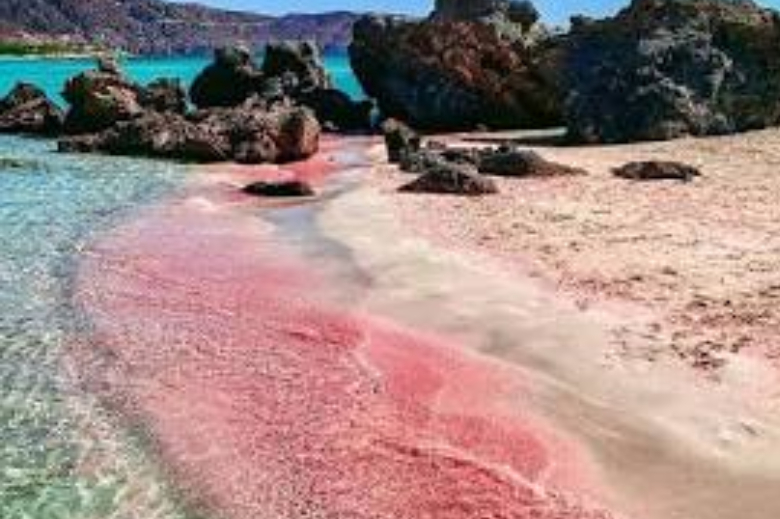
What makes Elafonisi globally famous is the surreal color of its sand. While the main stretches of the beach feature blindingly white sand, the water's edge is frequently painted in vibrant shades of pastel pink.
This stunning phenomenon is not an optical illusion. The pink hue is created by millions of microscopic, red-shelled microorganisms called foraminifera. When these organisms die, their fragile shells are ground down by the gentle waves and mixed with the white quartz sand and crushed coral. The intensity of the pink color changes daily depending on the wind, the tide, and the season, but when the conditions are right, a walk along the water's edge is a truly magical experience.
Beyond its visual appeal, Elafonisi is a strictly protected Natura 2000 ecological reserve. This designation ensures that the surrounding sand dunes and endemic plant life remain untouched by heavy commercial development. For mature travelers and those seeking a tranquil, low-impact beach day, the flat, forgiving terrain of the lagoon provides a uniquely comfortable environment to wade, explore, and relax without battling heavy surf or steep coastal cliffs.
Water Data: Temperature & Clarity
Elafonisi sits at the crossroads of the Mediterranean and Libyan Seas. Because the main feature here is a vast, enclosed lagoon, the water conditions are extraordinarily calm and much warmer than typical open-ocean beaches.
Water Temperatures by Season
The shallow depth of the lagoon allows the intense Mediterranean sun to heat the water rapidly, creating incredibly comfortable swimming conditions.
Season
Avg. Water Temp
How it Feels
Winter (Dec - Feb)
60°F - 63°F (16°C - 17°C)
Very chilly. The beach is deserted, and the water is too cold for casual wading.
Spring (Mar - May)
62°F - 68°F (17°C - 20°C)
Brisk in early spring, but by May, the shallow lagoon warms up beautifully for knee-deep wading.
Summer (Jun - Aug)
75°F - 82°F (24°C - 28°C)
Bath-like. The water in the lagoon can feel like a heated pool, providing ultimate comfort for long, leisurely soaks.
Fall (Sep - Nov)
70°F - 77°F (21°C - 25°C)
September is exceptionally warm. The water retains the summer heat well into October before cooling off.
Water Clarity
The water clarity at Elafonisi is flawless. Because the lagoon is protected from the open sea by the peninsula, there are virtually no waves to churn up the sand.
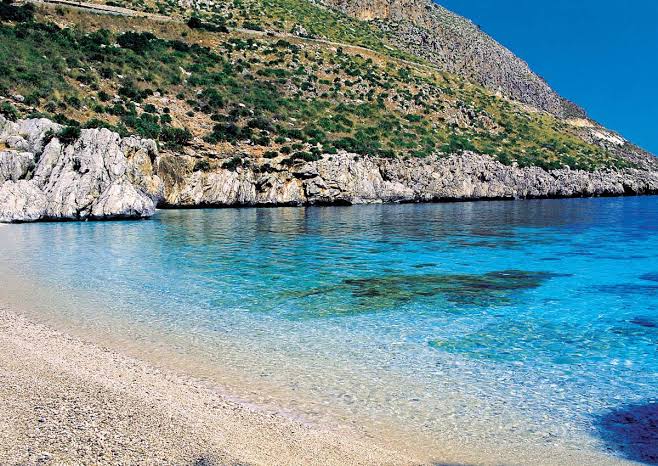
The water is a striking, translucent turquoise that allows you to see straight to the bottom, even in the deeper sections. At its deepest point between the mainland and the island, the water rarely rises above waist level, making it incredibly easy and safe to cross on foot.
Marine Life
As a Natura 2000 protected area, Elafonisi is a vital sanctuary for several species of Mediterranean flora and fauna. While you won't find massive coral reefs, the local ecosystem is delicate and fascinating.
Loggerhead Sea Turtles (Caretta Caretta)
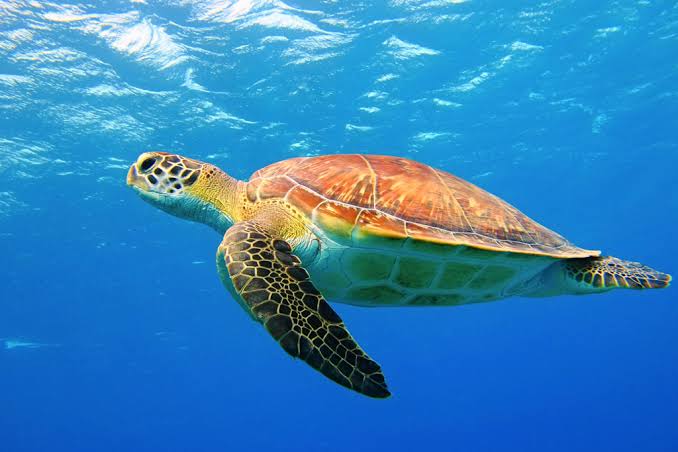
Elafonisi is a crucial nesting ground for the endangered Caretta Caretta, or Loggerhead sea turtle.
The protected Caretta Caretta sea turtle. Source: Fly Me To The Moon Travel
During the summer months, female turtles come ashore at night to lay their eggs in the soft sand. If you visit between June and August, you will likely see designated, roped-off areas on the beach protecting the nests. While it is rare to see the turtles during the busy daytime hours, respecting the marked conservation zones ensures these magnificent creatures can continue to thrive.
Endemic Flora
The true biological stars of Elafonisi are found in the sand dunes. The island is home to over 100 rare plant species, including the beautiful white Sea Daffodil (Pancratium maritimum), which blooms in late summer. The dunes are strictly protected by rope barriers; walking on them damages the fragile root systems that hold the island together.
Coastal Fish
If you bring a snorkel and venture past the shallow lagoon to the rocky outer edges of the peninsula, you will find small schools of Mediterranean reef fish, including ornate wrasse and small sea bream darting among the submerged stones.
Best Time to Go
Crete is one of the southernmost islands in Europe, meaning it boasts one of the longest swimming seasons in the Mediterranean.
The Ultimate Sweet Spots (Late May & September to October): For those who prefer a comfortable, relaxed pace, the shoulder seasons are unmatched. The weather is blissfully warm (mid-70s to low 80s), the water is inviting, and you completely avoid the overwhelming throngs of peak-season tourists. The drive through the mountains is also much less stressful with fewer tour buses on the road.
Peak Summer (July to August): This is when Elafonisi is at its most beautiful, but also its most crowded. The intense heat (often exceeding 90°F/32°C) makes the shallow lagoon feel fantastic, but finding a sunbed or a quiet spot on the sand requires arriving before 9:00 AM.
Winter and Early Spring (November to April): Many of the local tavernas and amenities shut down. While it is a beautiful time for stark, dramatic photography and solitary walks, it is not recommended if you are looking for a classic beach vacation.
Getting There, Getting Around, & Where to Stay
Getting There
Your journey will likely begin at Chania International Airport (CHQ), located on the northwest coast of Crete. From the city of Chania, Elafonisi is about a 45-mile (73 km) drive south.
The route takes you inland through the spectacular Topolia Gorge. While incredibly scenic, the mountain roads are winding, narrow in places, and share space with wandering goats.
Driving: Renting a comfortable, automatic car is highly recommended for exploring at your own pace. Plan to drive during daylight hours, as the mountain roads are unlit at night.
Coach Tours: If you prefer not to navigate the winding roads yourself, numerous comfortable, air-conditioned coach tours depart daily from Chania. This is a fantastic, stress-free option that allows you to simply sit back and enjoy the dramatic scenery.
Getting Around
Once you arrive at the massive dirt parking lot near the beach, everything is accessible on foot. The terrain is flat, and wooden boardwalks lead from the parking area down to the main stretches of sand, making it easily navigable.
Where to Stay
Because Elafonisi is a protected reserve, there are no massive resorts built directly on the beach.
Chania (For Amenities and Culture): Most visitors choose to stay in or near the historic Venetian city of Chania and make Elafonisi a day trip. Chania offers world-class dining, excellent medical facilities, and luxurious boutique hotels with highly accommodating service.
Kissamos: Located slightly closer to Elafonisi on the northwest coast, this quiet town offers excellent, relaxed beachfront hotels without the bustling energy of Chania.
Elos and Local Villages: For true tranquility, there are a handful of lovely, traditional guesthouses and villas in the small mountain villages just 15 to 20 minutes north of the beach. These offer profound peace and quiet and fantastic traditional Cretan food.
Things To Do
Elafonisi is a place to slow down, disconnect, and appreciate the incredible natural environment.
Wade Across the Lagoon
Leave your heavy bags on the mainland side and simply walk across the water to the Elafonisi peninsula. The water is rarely deeper than your knees, and the sandy bottom is incredibly soft. Once on the island side, you will find quiet, secluded coves and the most vibrant patches of pink sand. It is a completely effortless, low-impact way to explore.
Photograph the Pink Sand
The pink shoreline is most visible right where the gentle waves lap against the beach. The color pops most vibrantly in the mid-morning sun or late afternoon. Remember, it is strictly forbidden to take any of the pink sand home in jars or bottles; taking it slowly destroys the very phenomenon that makes the beach famous.
Visit the Chrisoskalitissa Monastery
Just a 10-minute drive north of Elafonisi sits this breathtaking, 17th-century Orthodox monastery. Built directly into a rocky cliff 115 feet above the Libyan Sea, it offers spectacular panoramic views of the coastline. The name translates to "Golden Step"—legend has it that one of the 98 steps leading up to the monastery is made of pure gold, but it is only visible to those who are truly devout.
Relax with Cretan Hospitality
On the main beach before crossing the lagoon, you will find several small cantinas and hundreds of sunbeds with umbrellas available for rent. Arrive early to secure a comfortable shaded spot, order a cold frappe (Greek iced coffee), and enjoy the spectacular views with a good book.
Watch the Sunset
If you have a rental car and are comfortable driving the first portion of the mountain road at dusk, staying for the sunset is highly recommended.
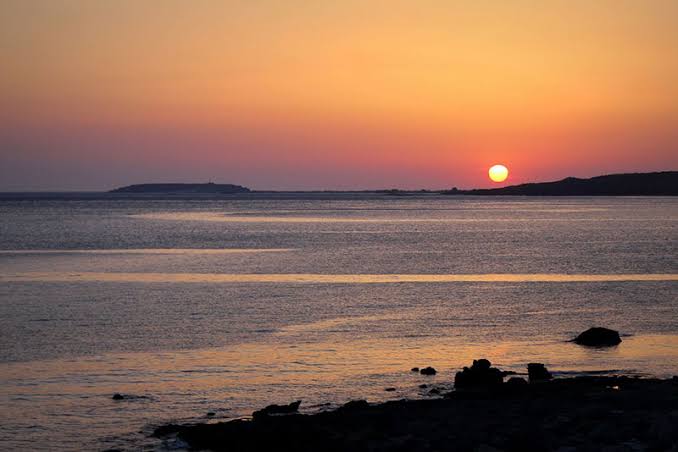
A tranquil sunset over the Libyan Sea. Source: Crete Holiday Villas
Because the beach faces southwest, you get an uninterrupted view of the sun sinking directly into the Libyan Sea. The fading light turns the shallow lagoon into a mirror of brilliant gold and violet, offering a perfectly peaceful end to your day on the island.
The Ultimate Guide to Positano: The Vertical Jewel of the Amalfi Coast
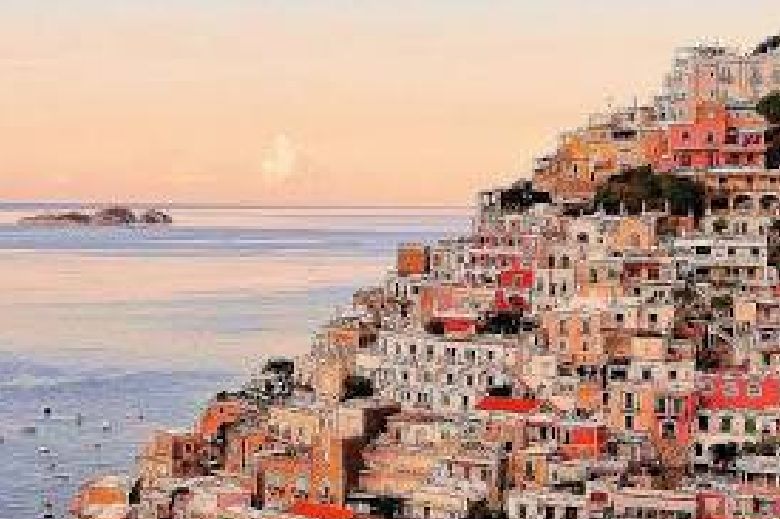
When you envision the Amalfi Coast, you are almost certainly picturing Positano. Tumbling down a near-vertical cliff face in a cascade of peach, pink, and terracotta houses, this historic fishing village is the undisputed glamour capital of southern Italy. It is a destination that demands a little physical effort—there are stairs everywhere—but rewards you with some of the most spectacular, cinematic coastal views on earth.
Welcome to the ultimate travel guide to Positano, Italy. Whether you want to hike ancient mountain trails, sip an Aperol Spritz on a sun-drenched terrace, or charter a boat across the deep blue Tyrrhenian Sea, this comprehensive guide covers everything you need to know to experience La Dolce Vita.Why It’s Worth Knowing About
Long before it was a playground for Hollywood elite and luxury travelers, Positano was an important maritime port of the Amalfi Republic in the Middle Ages. Its modern fame, however, can largely be traced back to 1953, when the author John Steinbeck published an essay in Harper's Bazaar famously writing: "Positano bites deep. It is a dream place that isn’t quite real when you are there and becomes beckoningly real after you have gone."
The sheer geography of Positano is staggering. There are very few traditional streets here; instead, the town is woven together by steep, narrow staircases and winding pedestrian pathways draped in vibrant bougainvillea and lemon vines.
Beyond its visual appeal, Positano is worth knowing about because it acts as the perfect strategic hub for exploring the broader Amalfi Coast. It sits perfectly positioned between the bustling town of Sorrento and the historic city of Amalfi, offering direct ferry access to the legendary island of Capri. Yet, despite its massive global fame and the bustling crowds, the town has managed to retain an undeniable, timeless Italian romance that continues to captivate visitors from around the globe.
Water Data: Temperature & Clarity
Positano sits on the Tyrrhenian Sea, a part of the Mediterranean. Because the beaches here are composed of dark grey pebbles rather than fine white sand, the water behaves slightly differently than it does in sandy Caribbean or Floridian destinations.
Water Temperatures by Season
The Mediterranean experiences distinct seasons. If swimming is your priority, timing is everything. Here is what to expect based on seasonal averages:
Season
Avg. Water Temp
How it Feels
Winter (Dec - Feb)
57°F - 61°F (14°C - 16°C)
Very cold. Locals stay out of the water, and most beach clubs are entirely closed.
Spring (Mar - May)
60°F - 68°F (15°C - 20°C)
Brisk. By late May, brave souls will swim, but it is still quite refreshing.
Summer (Jun - Aug)
75°F - 81°F (24°C - 27°C)
Perfect. The water is delightfully warm, providing essential relief from the intense summer sun.
Fall (Sep - Nov)
68°F - 77°F (20°C - 25°C)
September water is fantastic. By late October, the sea cools rapidly back into the 60s.
Water Clarity
The clarity in Positano is generally excellent. Because the shoreline is rocky and pebbly, there is virtually no sand to churn up in the surf. This results in a deep, striking sapphire-blue water that remains translucent even in deeper sections. The clarity is best in the morning before the heavy boat traffic begins to stir up the bay.
Marine Life
While it may not boast the tropical coral reefs of the South Pacific, the rocky coastal shelf of the Amalfi Coast supports a rugged and fascinating Mediterranean marine ecosystem.
Octopus and Moray Eels
The underwater landscape off the Amalfi Coast is highly jagged, full of grottos, caves, and limestone boulders. This provides a perfect habitat for the common octopus, which local fishermen frequently catch (and which features heavily on local menus). If you are snorkeling near the rocks of Spiaggia di Fornillo, you might also spot the Mediterranean moray eel peering out from the crevices.
Sea Urchins
If you swim near the rocky cliffs, you will quickly notice clusters of black and purple sea urchins clinging to the stone. While they are a sign of clean, healthy water, they are also a reason why packing water shoes is highly recommended when visiting Positano!
Pelagic Fish and Dolphins
Further offshore, the deep waters of the Tyrrhenian Sea are home to schools of amberjack, bluefin tuna, and swordfish. While you won't see these from the beach, booking a boat charter to Capri will occasionally reward you with sightings of striped or bottlenose dolphins playing in the boat's wake.
Best Time to Go
The Amalfi Coast is highly seasonal. Choosing the right time to visit dictates your entire experience, from the size of your budget to whether the restaurants are even open.
The Sweet Spots (May & September): These are unequivocally the best months to visit. In May, the town smells like lemon blossoms and the crowds are manageable. In September, the water is still warm from the summer sun, but the suffocating August crowds begin to thin out. Expect highs in the 70s to low 80s (24°C - 28°C).
Peak Summer (July to August): This is when Positano is at its most frantic, crowded, and expensive. The weather is hot (frequently topping 85°F/30°C) and humid, and traffic on the coastal road is heavy. However, if you want the classic, high-energy beach club vibe and vibrant nightlife, this is when the town is fully alive.
The Hiking Months (April & October): If you care less about swimming and more about hiking and photography, April and October are beautiful. The air is crisp, the skies are generally clear, and accommodation prices drop significantly.
The Dead of Winter (November to March): Avoid visiting during this time unless you purely want isolation. Positano essentially shuts down. Ferries stop running, beach clubs are dismantled, and roughly 60% to 80% of the hotels and restaurants close for the season.
Getting There, Getting Around, & Where to Stay
Getting There
Getting to Positano requires a bit of logistical maneuvering, but the journey is stunning.
Fly: You will fly into Naples International Airport (NAP) or take a high-speed train from Rome to Naples Centrale.
The Train: From Naples, take the Circumvesuviana commuter train (or the slightly nicer Campania Express) south to Sorrento.
The Final Leg: From Sorrento, you can take a SITA public bus, a private taxi, or a ferry to Positano. The Ferry is highly recommended—arriving in Positano by water is an unforgettable visual experience and spares you the winding, stomach-churning curves of the coastal highway.
Getting Around
Walking (and Climbing): Positano is explored on foot. Be prepared for hundreds of steep stairs. Comfortable walking shoes are not a suggestion; they are a requirement.
Ferries: To visit neighboring towns like Amalfi or Ravello, or the island of Capri, the ferry is the most scenic and efficient transport.
SITA Bus: The public buses run along the coast, but they get incredibly crowded in the summer.
Avoid Driving: Do not rent a car unless you are highly experienced with narrow, cliffside Italian driving and are prepared to pay exorbitant daily parking fees. The SS163 highway is notoriously narrow and congested.
Where to Stay
Positano is vertical, meaning you trade convenience for views depending on where you book:
Lower Positano (Near the Beach): Staying near Spiaggia Grande means you have zero stairs to climb after dinner, and you are steps away from the ferries and main shops. The trade-off is that it is the most expensive and noisy area, and you miss out on the panoramic birds-eye views.
Upper Positano (Chiesa Nuova / Montepertuso): High up the cliffside, you get spectacular, sweeping views of the entire coastline and more affordable hotel rates. The downside? You will rely heavily on the local internal bus loop or face a massive stair climb to get home from the beach.
Fornillo: Located just a 10-minute walk west of the main center, this neighborhood overlooks Fornillo Beach. It is quieter, slightly less expensive, and offers a much more relaxed, intimate vibe while still being incredibly close to the action.
Things To Do
Positano is about indulging the senses. Your itinerary should blend physical exploration with long, unapologetically lazy afternoons.
Relax on Spiaggia Grande
This is the main beach and the social epicenter of Positano.
The vibrant, pebbled shores of Spiaggia Grande. Source: Trovaspiagge
Lined with perfectly aligned, brightly colored sunbeds and umbrellas, it is the place to see and be seen. Rent a lounger for the day (book well in advance during peak season), order a drink, and enjoy the dramatic views of the town rising up the cliff behind you. For a slightly quieter day, walk the coastal path over to the neighboring Fornillo Beach.
Hike the Path of the Gods (Il Sentiero degli Dei)
If you do one active thing on the Amalfi Coast, make it this hike.
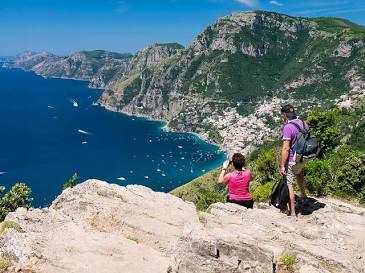
The breathtaking Path of the Gods trail. Source: Positano.com
Suspended high above the coastline, this ancient mule trail stretches roughly 4 miles (6.5 km) from the town of Bomerano down to Nocelle (a village situated high above Positano). The hike takes about 3 to 4 hours and offers vertigo-inducing, god-like views of the entire Amalfi Coast and the island of Capri in the distance.
Take a Boat Tour to Capri
Chartering a traditional wooden gozzo boat for a day trip to Capri is a classic Amalfi experience. You will cruise past the towering Faraglioni rock formations, have the chance to swim in secluded coves, and can stop to explore the glamorous island boutiques or the famous Blue Grotto.
Shop for Handmade Sandals and Linen
Positano has a distinct, breezy fashion sense known as Moda Positano. The narrow pedestrian streets are lined with boutiques selling tailored white linen clothing, vibrant ceramics, and custom leather sandals. You can walk into a cobbler's shop, choose your straps and jewels, and have a pair of bespoke sandals fitted to your feet in under an hour.
Watch the Sunset at a Cliffside Bar
As the sun dips below the horizon, Positano truly sparkles.
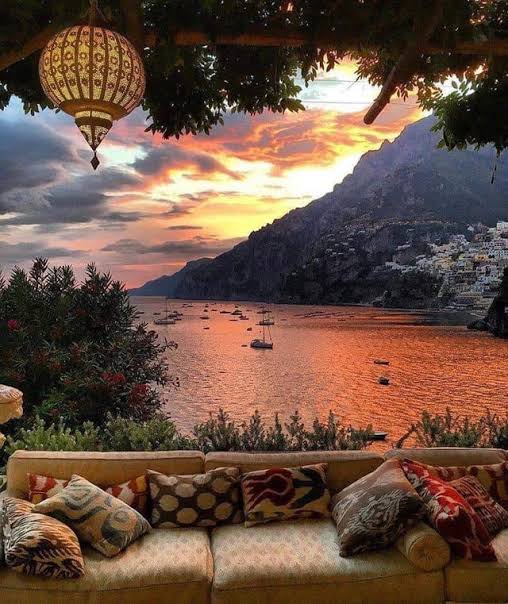
Dusk falls over the vertical city of Positano. Source: Reddit
Head to one of the famous luxury hotels, such as Le Sirenuse (at Franco's Bar) or Il San Pietro di Positano. While the cocktails come with a premium price tag, sitting on a terrace draped in vines, listening to the ambient hum of the town below, and watching the pastel houses glow in the twilight is an experience you will never forget.
The Ultimate Guide to South Beach: Art Deco Glamour and Sun-Drenched Shores
When the world pictures Miami, they are almost certainly picturing South Beach. Occupying the southernmost tip of the barrier island of Miami Beach, this vibrant neighborhood is a sensory masterpiece where pastel-colored Art Deco architecture meets sweeping, palm-lined shores. It is a destination that effortlessly balances high-energy glamour with relaxed, oceanfront sophistication.
Welcome to the ultimate travel guide to South Beach, Florida. Whether you are looking to immerse yourself in the rich architectural history, savor world-class culinary experiences, or simply relax beneath a canvas cabana by the Atlantic, this comprehensive guide covers everything you need to curate an unforgettable seaside escape.
Why It’s Worth Knowing About
South Beach—often affectionately called SoBe—is one of the most culturally and visually distinctive neighborhoods in the United States. Its fame is rooted deeply in its legendary Art Deco Historic District.
In the 1920s and 30s, this area was transformed from a mangrove swamp into a tropical playground. Architects designed hundreds of hotels and apartment buildings in the Streamline Moderne style, characterized by sleek, nautical lines, porthole windows, terrazzo floors, and a vivid palette of pastel pinks, seafoam greens, and canary yellows. Today, it stands as the largest concentration of Art Deco architecture in the world. Walking down Ocean Drive feels like stepping onto a meticulously preserved movie set from a bygone era.
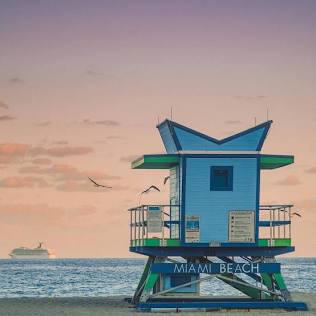
Iconic Art Deco lifeguard stands dot the shore. Source: Facebook
Beyond the architecture, the beach itself is spectacular. It is a massive, wide expanse of golden-white sand that stretches for miles alongside the Atlantic Ocean. The shoreline is punctuated by its famous, brightly painted lifeguard stands, each featuring a unique, whimsical design—from retro-futuristic rockets to striped lighthouses.
South Beach is also worth knowing about because it has matured beautifully over the decades. While it still boasts a lively nightlife scene, areas like the South of Fifth (SoFi) neighborhood have blossomed into highly refined enclaves offering Michelin-starred dining, peaceful waterfront parks, and a much more relaxed, sophisticated ambiance that appeals deeply to mature travelers and those seeking luxury without the relentless volume.
Water Data: Temperature & Clarity
Unlike the Gulf Coast destinations of Siesta Key and Destin, South Beach sits directly on the Atlantic Ocean. However, thanks to the warming influence of the nearby Gulf Stream current, the water here remains incredibly temperate year-round.
Water Temperatures by Season
Miami boasts some of the warmest winter ocean temperatures in the continental United States, making it a legendary escape for snowbirds fleeing the northern cold.
Season
Avg. Water Temp
How it Feels
Winter (Dec - Feb)
71°F - 75°F
Refreshing and brisk for some, but entirely swimmable—especially if you are escaping freezing temperatures.
Spring (Mar - May)
75°F - 80°F
The perfect transition. By April, the water is wonderfully comfortable for extended swims and water aerobics.
Summer (Jun - Aug)
82°F - 86°F
Very warm and bath-like. It feels less like a cooling dip and more like a relaxing soak.
Fall (Sep - Nov)
78°F - 83°F
Early fall retains summer heat, dropping to a highly comfortable, refreshing temperature by late November.
Water Clarity
The Atlantic waters off South Beach frequently display a stunning, vivid blue-green color. Clarity is generally excellent, especially on calm days when the wind is blowing offshore (from the land toward the ocean). It is important to note that during the summer months, the Atlantic coast occasionally experiences blooms of sargassum—a natural, floating brown seaweed that washes ashore. The city works diligently to clear it from the main public beaches daily, but it is a natural part of the ecosystem to be aware of if visiting in July or August.
Marine Life
While South Beach is an urban beach and not a pristine coral reef, the surrounding waters and nearby Biscayne Bay still offer delightful encounters with Florida's coastal wildlife.
The Tarpon of South Pointe Park
If you take a stroll down the pier at South Pointe Park, look down into the remarkably clear, emerald water along the rock jetties. You will almost certainly spot massive, silver Tarpon. These prehistoric-looking game fish can grow over six feet long and frequently congregate in the currents near the cut.
Manatees in the Bay
While you are less likely to see them in the crashing waves of the Atlantic, the West Indian manatees frequently navigate the calmer waters of Biscayne Bay, just on the western side of South Beach. They love the warm, shallow marinas, and it is a treat to spot their grey snouts breaking the surface for air.
Dolphins and Coastal Birds
Keep an eye on the horizon just past the swimmers; it is not uncommon to see small pods of bottlenose dolphins cruising parallel to the beach. Above the water, the shoreline is a bustling avian habitat, featuring diving brown pelicans, laughing gulls, and the occasional osprey hunting for fish.
Best Time to Go
South Beach has a deeply defined high season, driven entirely by the weather.
The Golden Months (December to April): This is the undisputed prime time to visit. The humidity drops, the skies are brilliant blue, and daytime temperatures hover perfectly in the mid-to-upper 70s. It is the absolute best time for comfortable walking tours, outdoor dining, and lounging without breaking a sweat. Because the weather is flawless, this is also peak season—expect premium hotel rates and bustling restaurants.
The Shoulder Season (May): May is a fantastic sweet spot. The extreme summer heat and humidity haven't fully arrived, the ocean is warming up beautifully, and the winter crowds have begun to thin out.
Summer and Fall (June to November): This is Miami's low season. The weather is intensely hot, extremely humid, and prone to heavy, brief afternoon thunderstorms. It is also hurricane season. However, if you are comfortable spending your days transitioning exclusively between a shaded beach cabana, the ocean, and heavily air-conditioned museums or restaurants, you can secure incredible luxury accommodations at a fraction of their winter prices.
Getting There, Getting Around, & Where to Stay
Getting There
South Beach is incredibly accessible.
Miami International Airport (MIA): Located just 12 miles west of South Beach. Depending on traffic, a taxi or rideshare can get you to your hotel in about 20 to 30 minutes.
Fort Lauderdale-Hollywood International Airport (FLL): About 45 minutes to an hour north. It is a fantastic alternative that often features competitive fares and a slightly easier, less chaotic terminal experience than MIA.
Getting Around
Do not rent a car if you plan to stay in South Beach. The neighborhood is compact and highly walkable, and parking is notoriously scarce and incredibly expensive (often $40+ per night at hotels).
Walking: The best way to experience the architecture and ocean breezes.
Freebee / Swoop: These are free (tips encouraged), on-demand, electric golf-cart shuttles that operate throughout South Beach. They are a delightful, open-air way to get from your hotel to a restaurant without exhausting your feet.
Uber/Lyft: Readily available for longer trips across the bridge to downtown Miami or the design district.
Where to Stay
South Beach offers distinct micro-neighborhoods to match your desired pace:
South of Fifth (SoFi): This is the crown jewel for mature travelers and those seeking refined luxury. From 5th Street down to the southern tip of the island, the neon noise fades away. It is residential, quiet, and home to spectacular, high-end oceanfront resorts, manicured walking paths, and some of the city's finest dining.
Mid-Beach / Collins Avenue (20th St to 40th St): Just north of the core Art Deco district, this area features grand, historic luxury properties (like the Fontainebleau and the Eden Roc) that have been meticulously updated. It offers a slightly quieter beach experience while remaining close to the action.
Ocean Drive (5th St to 15th St): If you want to be right in the middle of the neon-lit, energetic, classic South Beach scene, this is it. It is historically beautiful but can be quite loud late into the evening.
Things To Do
South Beach provides a perfect itinerary balance: mornings filled with culture and architecture, afternoons of pure leisure, and evenings dedicated to world-class cuisine.
Take the Official Art Deco Walking Tour
Operated by the Miami Design Preservation League, this 90-minute guided walking tour is an absolute must-do. Knowledgeable guides will walk you through the historic district, explaining the fascinating history, design motifs, and preservation efforts that saved these architectural gems from demolition. It is a leisurely, highly educational stroll.
Stroll South Pointe Park
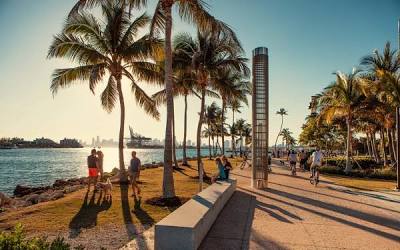
Located at the very southern tip of the island in the SoFi neighborhood, this beautifully landscaped, 17-acre park is a tranquil oasis.
The tranquil walking paths of South Pointe Park. Source: Greater Miami & Miami Beach
Walk the paved promenades, watch massive cruise ships glide out of Government Cut through the brilliant blue water, and enjoy panoramic views of the downtown Miami skyline.
Shop and Dine on Lincoln Road
Lincoln Road is a massive, pedestrian-only promenade designed by legendary architect Morris Lapidus in the 1950s. Today, it is lined with high-end boutiques, art galleries, and dozens of cafes with extensive outdoor seating. It is the premier spot on the island for people-watching over a leisurely al fresco lunch.
Dine at a Miami Institution
You cannot visit the area without having dinner at Joe's Stone Crab in the South of Fifth neighborhood. Operating for over 100 years, this legendary establishment is famous for its tuxedoed waiters, old-world charm, and, of course, impeccably fresh, chilled Florida stone crab claws served with their signature mustard sauce.
Experience Ocean Drive at Dusk
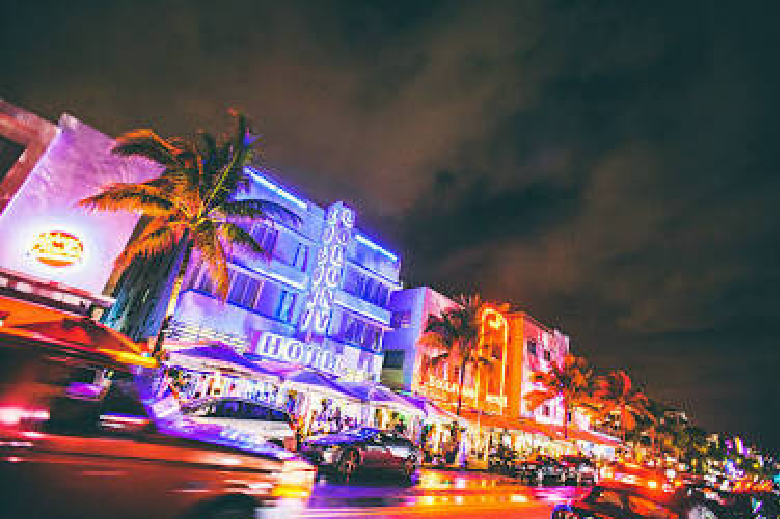
Even if you choose not to stay on Ocean Drive, you must experience it as the sun goes down.
Take a slow evening walk along the Lummus Park promenade. As the daylight fades, the historic hotels switch on their brilliant, multi-colored neon facades. The juxtaposition of the vintage architecture, the ocean breeze, and the glowing neon perfectly encapsulates the timeless, glamorous spirit of South Beach.
The Ultimate Guide to Bora Bora: The Pearl of the Pacific
There are few places on earth that evoke the sheer, unadulterated essence of a dream vacation quite like Bora Bora. Tucked away in the South Pacific, this tiny island in French Polynesia is the undisputed heavyweight champion of luxury travel. It is a place where time slows down, comfort is paramount, and the natural beauty is so vivid it almost looks digitally enhanced.
Welcome to the ultimate travel guide to Bora Bora. Whether you are celebrating a milestone anniversary or simply seeking the most relaxing, visually stunning escape on the planet, this guide covers everything from the island's legendary calm waters to the seamless logistics of getting there.
Why It’s Worth Knowing About
Bora Bora's fame is entirely justified by its unique, dramatic geography. Millions of years ago, Bora Bora was a massive, active volcano. Over time, the volcano slowly sank back into the ocean, leaving behind a towering, jagged center—the iconic Mount Otemanu—surrounded by a protective barrier reef.
Between this outer reef and the central mountain lies Bora Bora’s greatest treasure: a magnificent, shallow lagoon that shines in impossible shades of cyan, turquoise, and deep indigo. The outer reef acts as a natural breakwater, meaning the lagoon is virtually waveless. It is, essentially, the world's largest and most spectacular natural swimming pool.
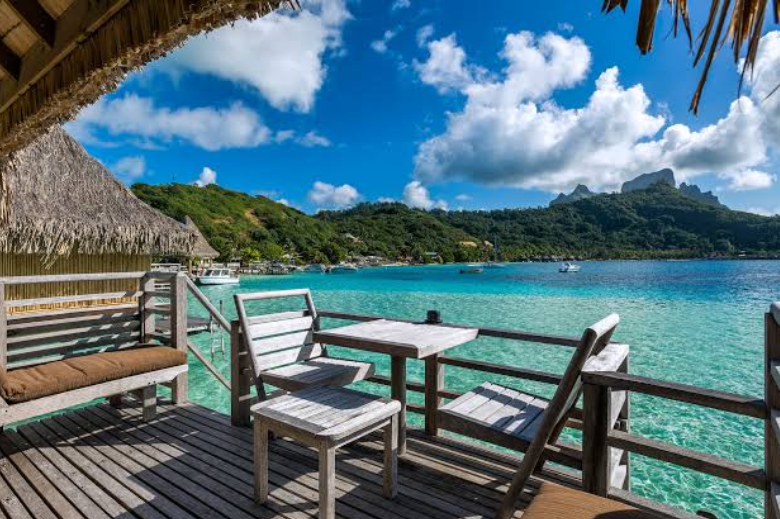
It is also worth knowing about Bora Bora because of its architectural legacy. While the overwater bungalow was invented on the nearby islands of Moorea and Raiatea in the late 1960s, it was perfected in Bora Bora. Today, strings of these luxurious, thatched-roof villas stretch out into the lagoon from private motus (small coral islets). These spacious bungalows offer an unparalleled level of comfort, privacy, and direct water access that caters perfectly to travelers who want to experience the ocean without sacrificing luxury or dealing with crowded beaches.
Water Data: Temperature & Clarity
Because the lagoon is protected from the open ocean and is relatively shallow, the water conditions in Bora Bora are famously gentle, safe, and incredibly inviting.
Water Temperatures by Season
French Polynesia enjoys a tropical climate, meaning the water is bath-like year-round. It is entirely comfortable for long, leisurely swims directly from the deck of your bungalow.
Season
Avg. Water Temp
How it Feels
Winter (Jun - Aug)
79°F - 81°F
Exceptionally comfortable. This is the dry season, offering refreshing relief from the tropical sun.
Spring (Sep - Nov)
80°F - 82°F
Perfect "goldilocks" temperatures as the season transitions.
Summer (Dec - Feb)
82°F - 85°F
Extremely warm. This is the wet season, so the water often feels warmer than the rain!
Fall (Mar - May)
82°F - 84°F
Lingering summer warmth, ideal for relaxed snorkeling and floating.
Water Clarity
The clarity of the Bora Bora lagoon is legendary. Because the water is sheltered from heavy surf, there is very little suspended sand or sediment. In most parts of the lagoon, visibility routinely exceeds 100 feet. You can often stand on the deck of your bungalow and watch colorful reef fish or spotted eagle rays glide perfectly clearly over the white sandy bottom below.
Marine Life
Bora Bora offers some of the most accessible and low-stress marine life encounters in the world. The calm lagoon means you don't need to be a strong swimmer or an experienced scuba diver to enjoy the vibrant underwater world.
Stingrays and Blacktip Reef Sharks
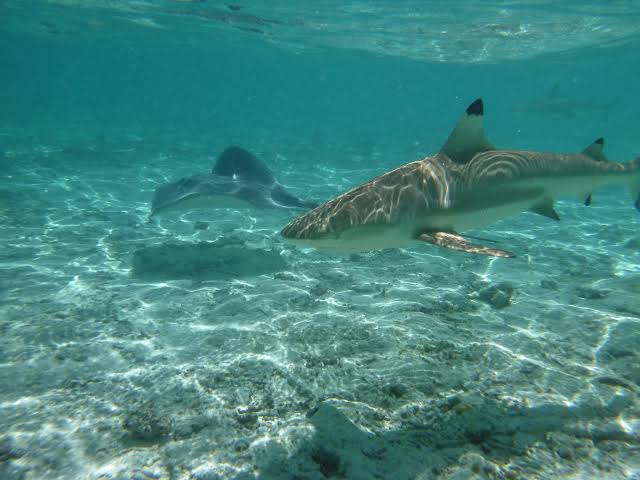
The most famous excursion in Bora Bora is the shark and ray feeding tour. While the word "shark" might sound intimidating, the blacktip reef sharks in the lagoon are small, timid, and entirely uninterested in humans. The stingrays, on the other hand, are incredibly friendly and habituated to visitors. Tour guides will lead you into waist-deep, crystal-clear water where you can stand comfortably as stingrays gently brush past you like aquatic puppy dogs. It is a thrilling but entirely safe experience suitable for all ages.
Friendly stingrays and blacktip reef sharks. Source: Destinations & Desserts
Coral Gardens
Dotted throughout the lagoon are vibrant coral gardens. These shallow, protected areas are teeming with tropical fish, including butterflyfish, clownfish, and the vividly colored parrotfish. Because the water is so buoyant and calm, snorkeling here feels effortless.
Manta Rays
If you venture closer to the deeper channels where the lagoon meets the open ocean, you might have the chance to spot majestic manta rays. These gentle giants, boasting wingspans that can reach 15 feet, glide gracefully through the water to feed on plankton.
Best Time to Go
When planning a trip to the South Pacific, understanding the tropical weather patterns is essential for ensuring the most comfortable and enjoyable experience.
The Dry Season (May to October): This is universally considered the best time to visit Bora Bora. The humidity is significantly lower, the skies are generally clear, and the trade winds provide a constant, cooling breeze. Temperatures hover comfortably in the low to mid-80s. Because the weather is so reliable, this is the peak tourist season.
The Shoulder Months (April and November): These transition months are fantastic options. You will still enjoy plenty of sunshine and warm water, but the resorts are slightly less crowded, and you can often find better rates before or after the peak season rush.
The Wet Season (December to March): Also known as the Polynesian summer, these months are hot, highly humid, and prone to frequent, heavy rain showers and occasional tropical storms. While you can still have a wonderful trip (and the lush mountains are at their greenest), the intense humidity and unpredictable weather make this the least ideal time for those seeking guaranteed outdoor lounging.
Getting There, Getting Around, & Where to Stay
Getting There
Traveling to Bora Bora is a journey, but it is a remarkably smooth and well-oiled machine designed to minimize travel stress.
International Flight: You will first fly into Faa'a International Airport (PPT) in Papeete, Tahiti. Direct flights are available from major hubs like Los Angeles, San Francisco, Seattle, and Auckland.
Island Hopper: From Tahiti, you will take a short, breathtaking 45-minute flight via Air Tahiti to the Bora Bora Airport (BOB).
The Airport Transfer: Here is where the magic begins. The Bora Bora airport is located on its own private motu (islet). There are no taxis waiting outside. Instead, you collect your bags and walk directly to a dock where a sleek, private resort boat will be waiting to whisk you across the lagoon to your hotel.
Getting Around
Navigating Bora Bora is entirely water-based. If you are staying at a luxury resort on one of the outer motus, you will use the resort's shuttle boats to travel to the main island (Vaitape) if you wish to shop, dine at local restaurants, or explore. Once on the main island, local taxis or arranged transfers will take you where you need to go.
Where to Stay
The vast majority of visitors choose to stay at the luxury resorts situated on the outer motus surrounding the lagoon, as these offer the iconic views of Mount Otemanu and the most spacious overwater bungalows.
The Luxury Heavyweights (St. Regis, Four Seasons, Conrad): These resorts offer the pinnacle of luxury, privacy, and accessibility. They feature massive, easily navigable resort grounds, world-class spas, multiple dining options, and golf-cart services to ferry you from your bungalow to the pool. They are perfect for travelers who want a seamless, high-end experience without needing to leave the property.
The Mainland (InterContinental Le Moana, boutique pensions): Staying on the main island is generally more affordable and offers immediate access to Matira Beach (the only public beach on the island) and local dining. However, you trade the sweeping, panoramic views of the mountain for a closer, more localized experience.
Things To Do
Bora Bora is not a destination for high-speed itineraries. The best activities here emphasize relaxation, appreciation of the natural environment, and luxurious comfort.
Take a Private Lagoon Tour
Skip the crowded group boats and charter a private pontoon or outrigger canoe for a half-day tour of the lagoon. A private guide will tailor the day to your pacing, taking you to the best snorkeling spots, the shallow sandbars for shark and ray encounters, and offering a wealth of knowledge about Polynesian culture.
Indulge in a Polynesian Spa Day
The luxury resorts in Bora Bora are famous for their spas, many of which incorporate traditional Polynesian healing techniques. Book a Taurumi massage, which uses pure monoi oil (coconut oil infused with tiare flowers), and relax in spa suites that often feature glass floors so you can watch the fish while you receive your treatment.
Explore the Island via 4x4 Safari
If you want a break from the water, book a 4x4 Jeep tour of the main island. These guided tours take you up the steep, lush volcanic slopes to panoramic viewpoints that look out over the lagoon. It is a fantastic way to see the island's interior and learn about its World War II history, complete with remaining coastal defense cannons.
Dine at Legendary Restaurants
While resort dining is spectacular, venturing to the main island for dinner is highly recommended.
Bloody Mary’s: A Bora Bora institution with sand floors, thatched roofs, and a massive fresh seafood display where you pick your catch before it is grilled to perfection.
La Villa Mahana: For a truly exclusive, romantic evening, this tiny, intimate restaurant offers incredible French-Polynesian fusion cuisine. With only a handful of tables, reservations must be made months in advance.
Enjoy the Ultimate Sunset
The sunsets in French Polynesia are nothing short of spiritual.
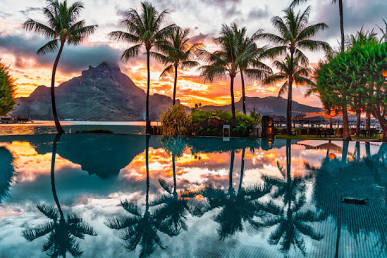
A tranquil sunset over the Bora Bora lagoon. Source: iStock
Because of the extreme clarity of the air, the sky routinely turns explosive shades of gold, crimson, and deep purple. The best way to experience it is exactly where you are: order room service to the private deck of your overwater bungalow, pour a glass of champagne, and watch the sun sink into the Pacific in complete, luxurious peace.
The Ultimate Guide to Kaanapali Beach: Maui's Crown Jewel
If you were to close your eyes and picture the quintessential Hawaiian beach vacation, there is a very good chance your imagination would conjure up something that looks exactly like Kaanapali Beach. Located on Maui's sunny western shore, this three-mile stretch of pristine white sand and crystalline water is arguably one of the most famous beaches in the world.
Welcome to the ultimate travel guide to Kaanapali Beach, Hawaii. From its rich cultural history and legendary cliff diving ceremonies to swimming alongside magnificent sea turtles, this comprehensive guide covers everything you need to plan an unforgettable escape to the Valley Isle.
Why It’s Worth Knowing About
Kaanapali is not just a beautiful beach; it is a location steeped in Hawaiian history and a pioneer in global tourism.
Before it became a luxury destination, Kaanapali was a royal retreat for the rulers of Maui. The beach is anchored at its northern end by a massive, dramatic lava rock promontory known as Pu'u Keka'a, or "Black Rock". To ancient Hawaiians, this was a profoundly sacred place. It was believed to be a "leina a ka 'uhane," a place where the souls of the deceased would leap from the mortal world into the spirit realm. It was also a favorite spot for King Kahekili, Maui's last independent ruling chief, who would demonstrate his bravery by leaping from the imposing cliffs into the ocean below.
In the 1960s, Kaanapali made history again when it was developed into Hawaii's first master-planned resort area. The vision was to create a destination where visitors could enjoy world-class accommodations, golf courses, and open-air shopping without ever having to leave the immediate vicinity of the beach.
Today, that vision is a reality. A continuous, beautifully paved oceanfront path—the Kaanapali Beachwalk—connects a string of high-end resorts, open-air restaurants, and the Whalers Village shopping center. Despite the development, the beach itself remains remarkably well-preserved, offering a wide, soft shoreline that gracefully slopes into the warm, protected waters of the Pacific.
Water Data: Temperature & Clarity
Because it is located on Maui's sheltered west side, Kaanapali enjoys calm, clear waters and some of the warmest ocean temperatures in the Hawaiian Islands.
Water Temperatures by Season
Unlike the mainland coasts, Hawaii's ocean temperatures do not experience drastic seasonal swings. The water remains wonderfully swimmable year-round.
Season
Avg. Water Temp
How it Feels
Winter (Dec - Feb)
74°F - 77°F
Mild and refreshing. Most swimmers find it perfectly comfortable, though you might want a rash guard for prolonged snorkeling.
Spring (Mar - May)
76°F - 80°F
Warming up to an ideal, universally comfortable temperature for all water activities.
Summer (Jun - Aug)
79°F - 82°F
Extremely warm and bath-like, especially in the shallow, calm bays along the western shore.
Fall (Sep - Nov)
76°F - 82°F
Early fall retains summer's peak warmth, gradually cooling back to mild, refreshing temperatures by late November.
Water Clarity
Kaanapali Beach consistently offers incredible underwater visibility, often exceeding 50 to 80 feet. The clarity is best during the summer months when the ocean is at its calmest. In the winter, larger swells can occasionally stir up the sandy bottom, but the northern end of the beach near Black Rock usually remains protected and clear.
Marine Life
The vibrant reef system surrounding Pu'u Keka'a (Black Rock) makes Kaanapali one of the most accessible and rewarding spots on Maui for marine wildlife encounters.
Hawaiian Green Sea Turtles (Honu)
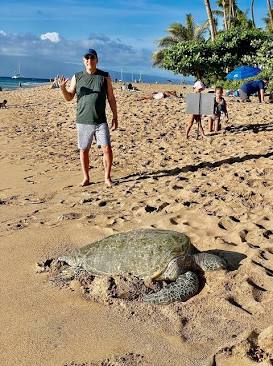
The absolute stars of Kaanapali are the Hawaiian green sea turtles. These magnificent, gentle creatures are incredibly abundant around the rocky outcroppings of Black Rock, where they feed on the algae growing on the lava rocks. It is very common to see them gliding gracefully through the water right alongside snorkelers. Sometimes, they will even haul themselves up onto the warm sand to rest. As always, remember that they are a protected species; it is illegal to touch them, and you must maintain a respectful distance of at least 10 feet.
The Hawaiian green sea turtle (Honu). Source: ENJOY YOUR LIFE NOW
Humpback Whales
If you visit Kaanapali between December and April, you are in for the greatest show on earth. Thousands of North Pacific humpback whales migrate to the shallow, warm waters of the Maui Nui Basin to mate and give birth. The channel off Kaanapali Beach is a prime viewing corridor. You don't even need a boat; you can sit on the sand and watch these 40-ton giants breach, slap their tails, and spout water just offshore.
Tropical Reef Fish
Snorkeling around Black Rock will introduce you to a kaleidoscope of tropical fish. Expect to see large schools of yellow tangs, vibrant butterflyfish, Moorish idols, and the famous humuhumunukunukuāpuaʻa (the Hawaiian state fish). If you look closely into the crevices of the rocks, you might also spot moray eels or camouflaged octopus.
Best Time to Go
Maui's west side is notoriously sunny and dry, meaning there really isn't a bad time to visit Kaanapali. Your decision should be based on what you want to experience.
The Sweet Spots (April to May & September to November): These shoulder seasons are widely considered the best times to visit. The island is less crowded, flights and accommodations are often more reasonably priced, and the ocean temperatures are ideal.
Whale Season (January to March): If seeing humpback whales is on your bucket list, this is the time to go. The weather is slightly cooler (highs in the upper 70s to low 80s), and you might experience a few passing rain showers, but the daily whale sightings from the beach make it entirely worth it.
Summer (June to August): Summer brings the warmest ocean temperatures (frequently topping 80°F) and the calmest waters, making it perfect for snorkeling, stand-up paddleboarding, and family vacations. However, this is also a peak tourist season, so expect heavier crowds and premium pricing.
Getting There, Getting Around, & Where to Stay
Getting There
You will fly into Kahului Airport (OGG), Maui’s main airport. From there, Kaanapali is about a 45-minute to 1-hour drive across the island to the western coast. The drive itself is beautiful, taking you past the majestic West Maui Mountains and along the scenic coastal highway.
Getting Around
Rental Cars: If you plan to explore the Road to Hana, Haleakala National Park, or the beaches of South Maui, renting a car is essential.
The Kaanapali Beachwalk: If your goal is to simply relax, you can easily get away without a car. The Kaanapali Beachwalk connects all the major resorts, restaurants, and Whalers Village, making the entire area highly walkable.
Resort Shuttles: Many of the resorts offer complimentary shuttle services around the Kaanapali area and into the historic whaling town of Lahaina.
Where to Stay
Kaanapali is defined by its world-class resorts, which stretch sequentially along the beach:
North Beach (Honua Kai / Westin Nanea): Located slightly north of Black Rock, this newer area features luxury condo-style resorts that are incredibly popular with families and multi-generational groups. The beach here is a bit quieter.
Central Kaanapali (Sheraton, Kaanapali Beach Hotel): This is the heart of the action, situated right at the base of Black Rock. Staying here gives you immediate access to the best snorkeling on the beach and the daily cliff diving ceremonies.
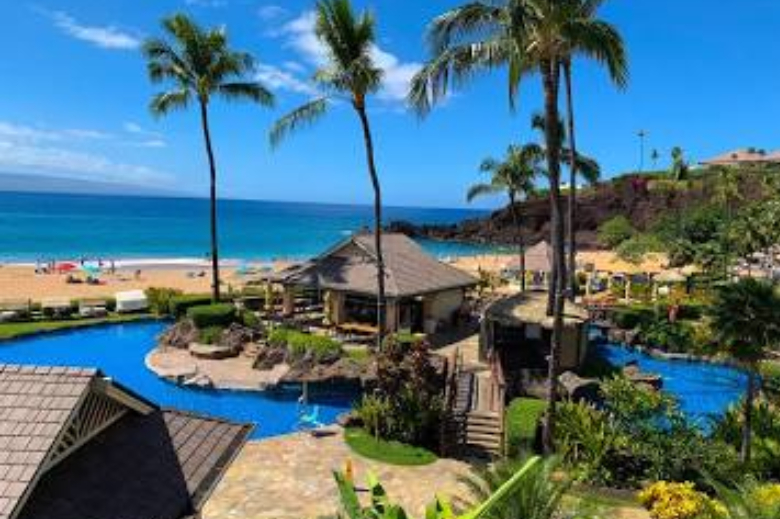
South Kaanapali (Hyatt Regency, Marriott): The southern end of the beachwalk features massive, lush mega-resorts with incredible pool complexes, grottos, and on-site luaus.
Things To Do
Beyond lounging on the soft sand, Kaanapali offers a blend of adventure, culture, and relaxation.
Snorkel at Black Rock (Pu'u Keka'a)
This is the premier activity on Kaanapali Beach. Enter the water on the southern, sandy side of Black Rock and follow the lava wall out into the ocean. The water depth ranges from 8 to 25 feet, and the visibility is usually excellent. It is a bustling underwater metropolis of coral, fish, and sea turtles. Because of currents, it is always recommended to snorkel with a buddy and stay aware of your surroundings.
Witness the Daily Cliff Diving Ceremony
Every evening, just before sunset, the Sheraton Maui Resort hosts a mesmerizing cliff diving ceremony to honor the legacy of King Kahekili. A cliff diver, dressed in traditional attire, runs along the beach lighting tiki torches. As a Hawaiian chant plays and a conch shell is blown, he scales the steep lava rock of Pu'u Keka'a, offers a flower lei to the ocean, and executes a perfect, soaring dive into the water below. It is a stunning cultural tribute and completely free to watch from the beach.
Shop and Dine at Whalers Village
Located right in the middle of the Kaanapali Beachwalk, this open-air shopping center is a fantastic place to take a break from the sun. It features a mix of luxury boutiques, local surf shops, and excellent oceanfront dining options like Hula Grill and Leilani's on the Beach.
Take a Catamaran Cruise
Several large sailing catamarans pull right up onto the sand at Kaanapali Beach to load passengers. You can book a morning snorkel sail to Honolua Bay, or a sunset cocktail cruise where you can sip a Mai Tai and watch the islands of Lanai and Molokai turn purple in the fading light.
Watch the Sunset
Because Kaanapali faces directly west, it offers front-row seats to some of the most spectacular sunsets in the Pacific.
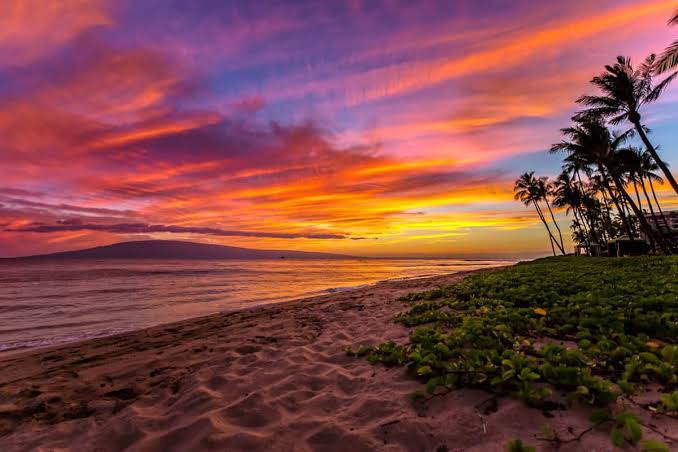
A stunning Maui sunset. Source: Kaanapali Beach
As the sun dips below the horizon, the sky frequently ignites in brilliant shades of magenta, gold, and violet, reflecting across the calm ocean. Find a spot on the sand, listen to the distant sound of the conch shell from the cliff diving ceremony, and enjoy the perfect end to a day in paradise.